A year ago, we set out on a journey to build our dream homestead in the beautiful mountains of Tennessee. With nothing but a virgin five-acre lot, a clear vision, and a deep desire for a simpler, self-sustained life, we embarked on a project that would change our lives forever. From clearing dense forest to constructing our tiny home and everything in between, the past twelve months have been an incredible adventure. Here’s how we transformed our blank canvas into the homestead we now proudly call home.
Starting from Scratch: The First Steps
When we first arrived in Tennessee, our land was a dense forest, completely overgrown and undeveloped. It was beautiful, yes, but it needed a lot of work. The first task on our to-do list was to clear a path for a driveway that would allow us access to the land. The terrain was rugged, and the trees were thick, so clearing a proper driveway took time, patience, and a lot of sweat.
Once the driveway was in place, we installed a culvert at the end of the drive to handle water flow during the rainy season. This was an important step to ensure that our property would remain accessible no matter the weather.
Living in the Camper: A Temporary Home
With the driveway cleared and a safe access route to the land, we needed a place to live while we worked on building our permanent home. We decided to set up camp in a camper—simple, functional, and perfect for the four months we knew we’d be in a temporary living situation.
Though life in a camper was not without its challenges, it provided a comfortable and cozy space while we began the task of building our shop and home. The small space was an exercise in minimalism, and it was the perfect starting point for our homesteading adventure. Living close to nature, with our camper nestled in the woods, allowed us to connect with our land and plan for the future.
Shed Conversions: Building Our Dream Home and Shop
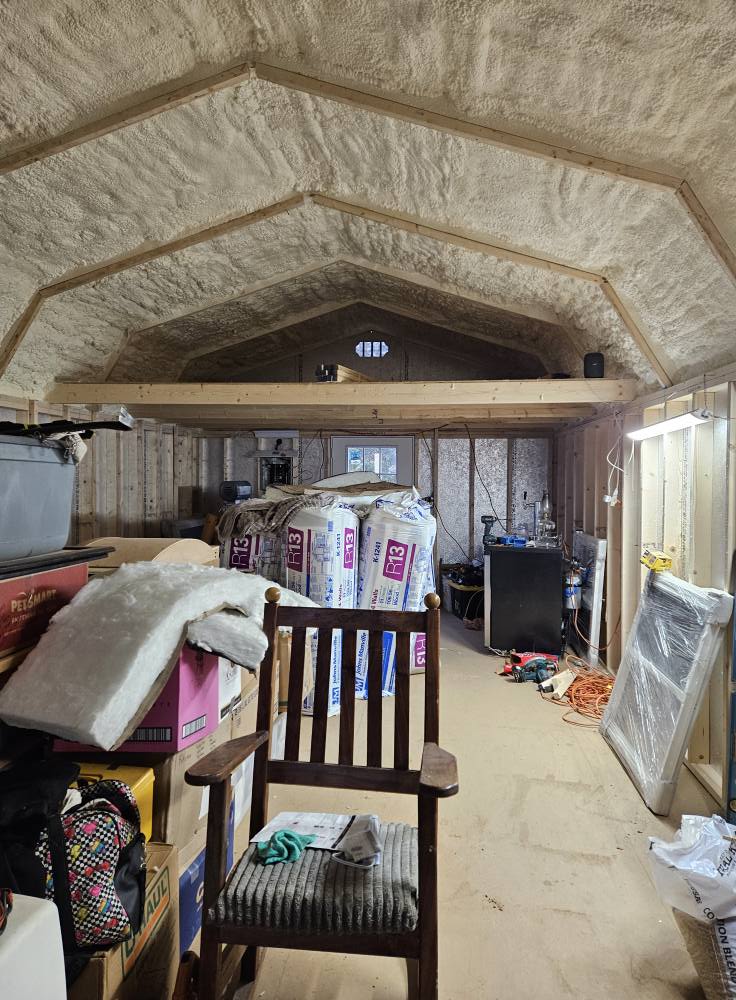
After months of living in the camper, it was time to get serious about building. We knew we didn’t want to rush into a huge project that would drain our resources, so we decided to convert sheds into both our shop and home. The idea of using reclaimed materials and existing structures made sense financially, and it was a creative solution to help us get started without spending a fortune.
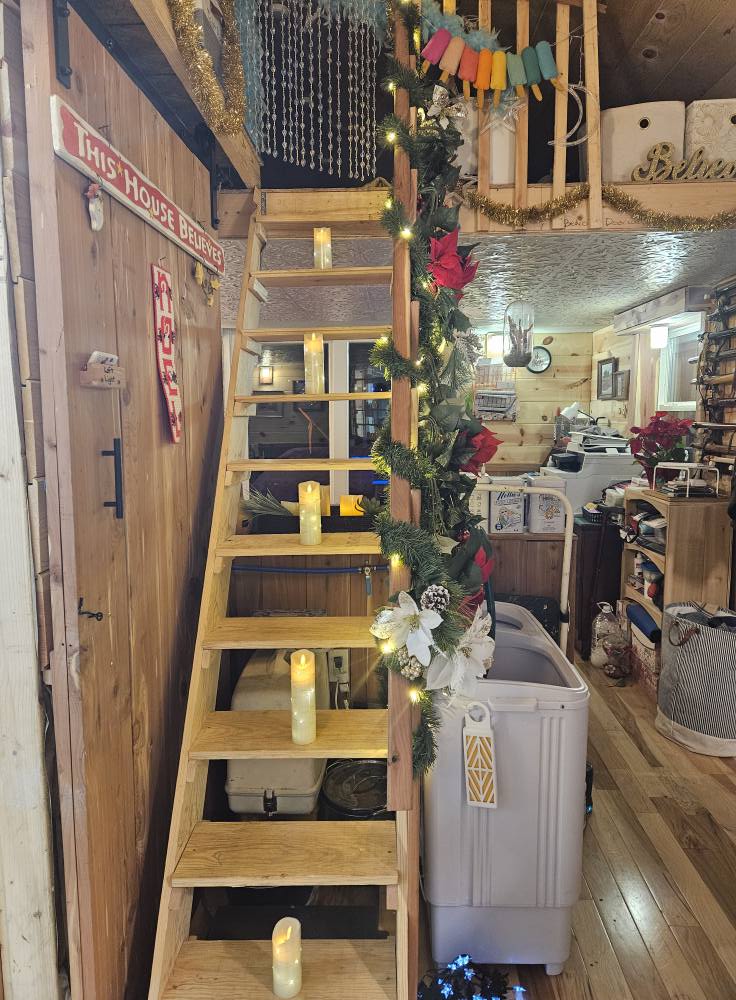
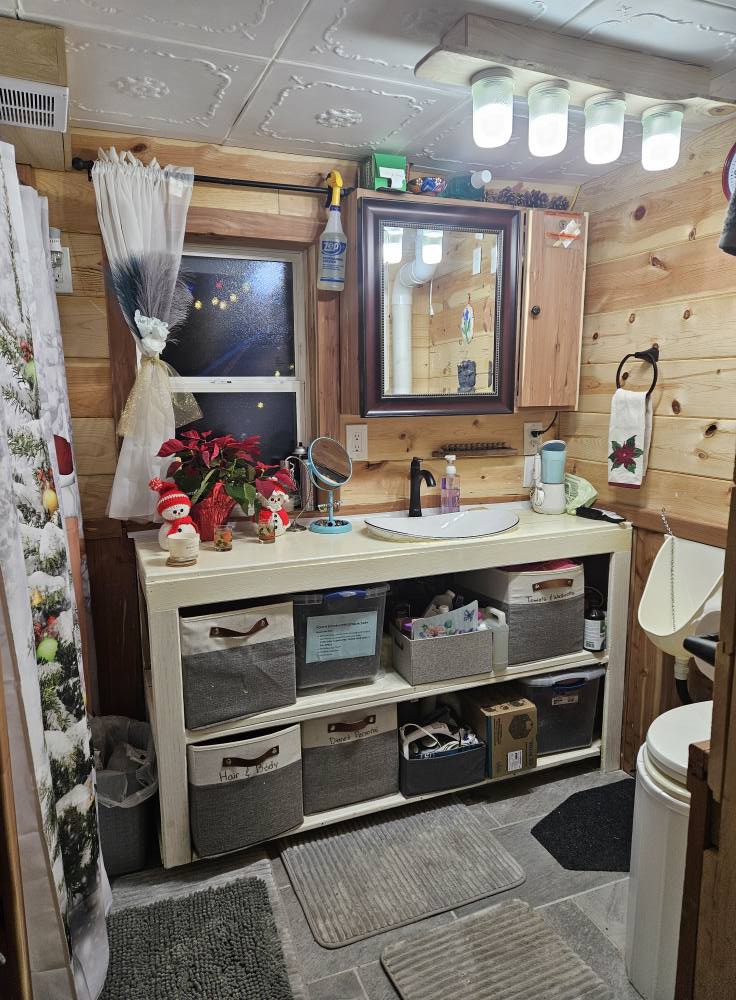
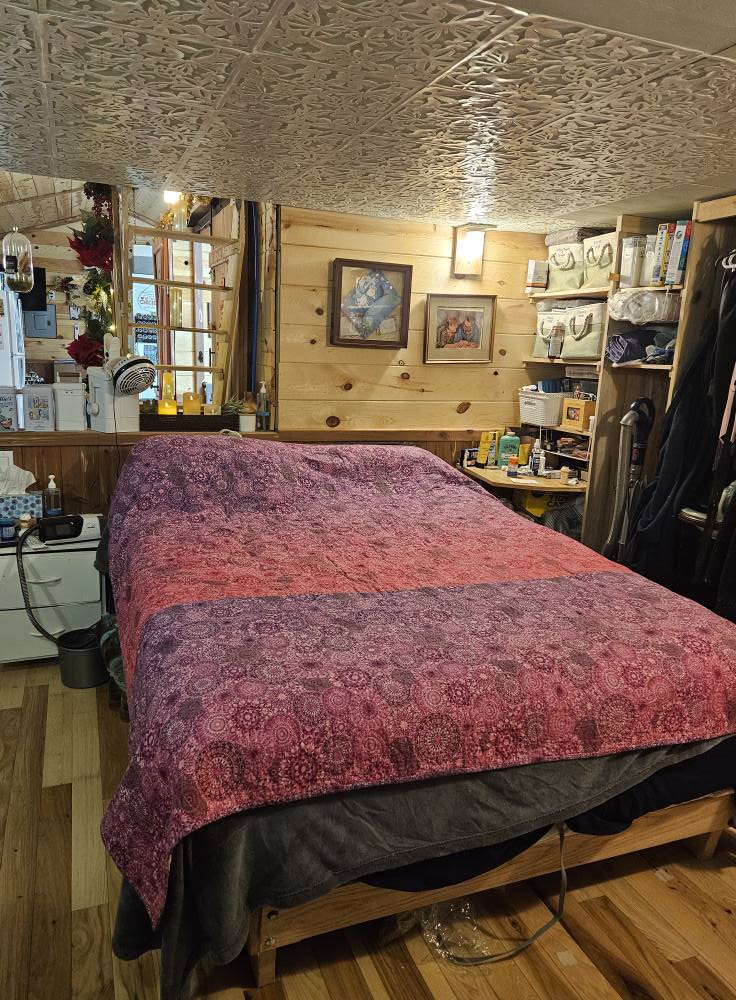
Our tiny home is a cozy 504 square feet—perfect for two people. We kept the layout simple but functional, focusing on efficiency and comfort. The conversion process involved everything from insulation and plumbing to flooring and cabinetry, but the work was incredibly rewarding. Over time, we transformed the space into a charming, rustic home that perfectly matched our needs and vision.
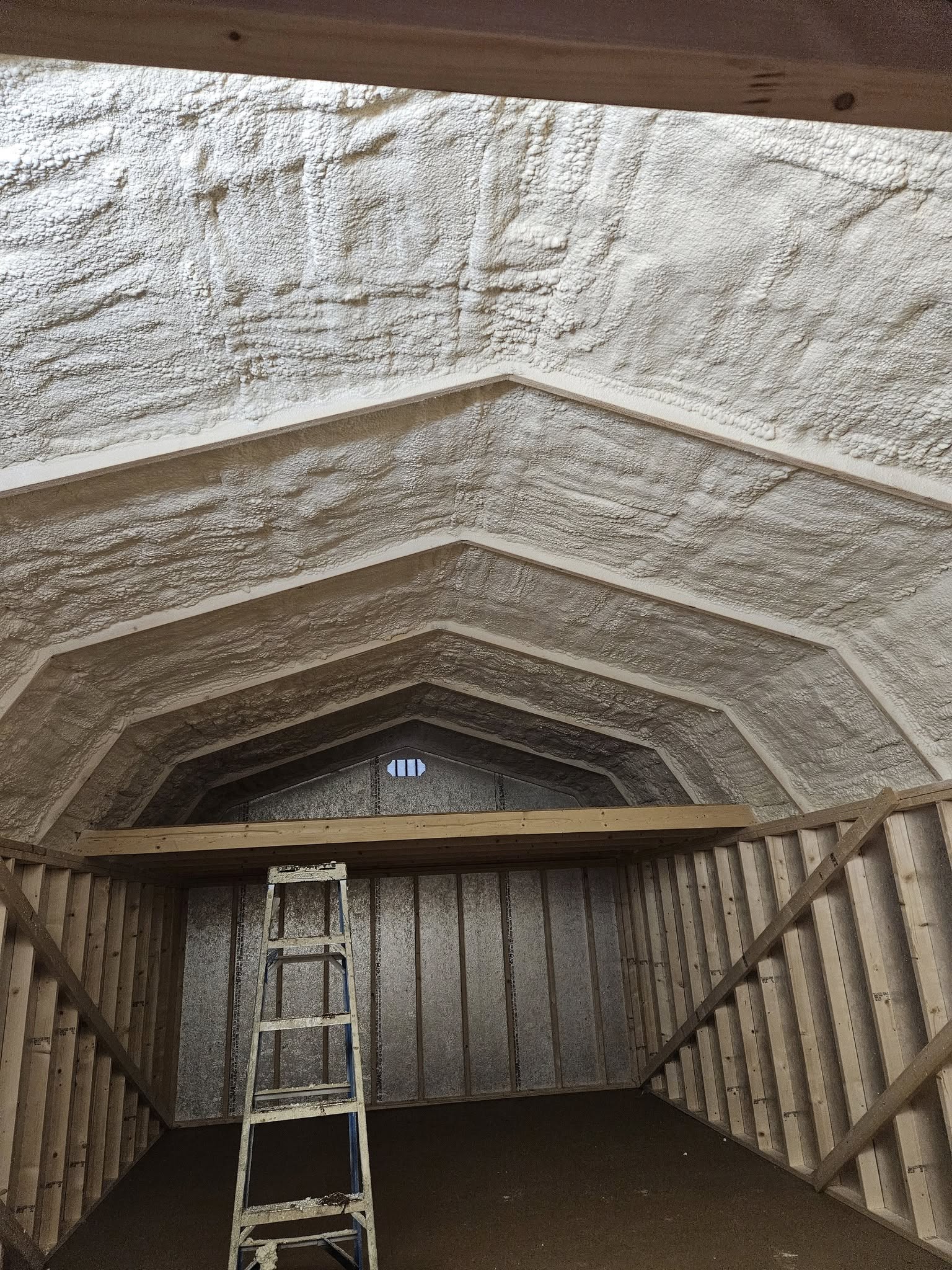
Simultaneously, we worked on converting an additional shed into a spacious workshop, where we could store tools, work on projects, and create a space for our homesteading hobbies. The combination of a workshop and living space allowed us to multitask and stay focused on our goals, making sure both our home and our livelihood would be fully functional as we settled into our new life.
Adding More Buildings: A Goat Pen, Chicken Coop, and Greenhouse
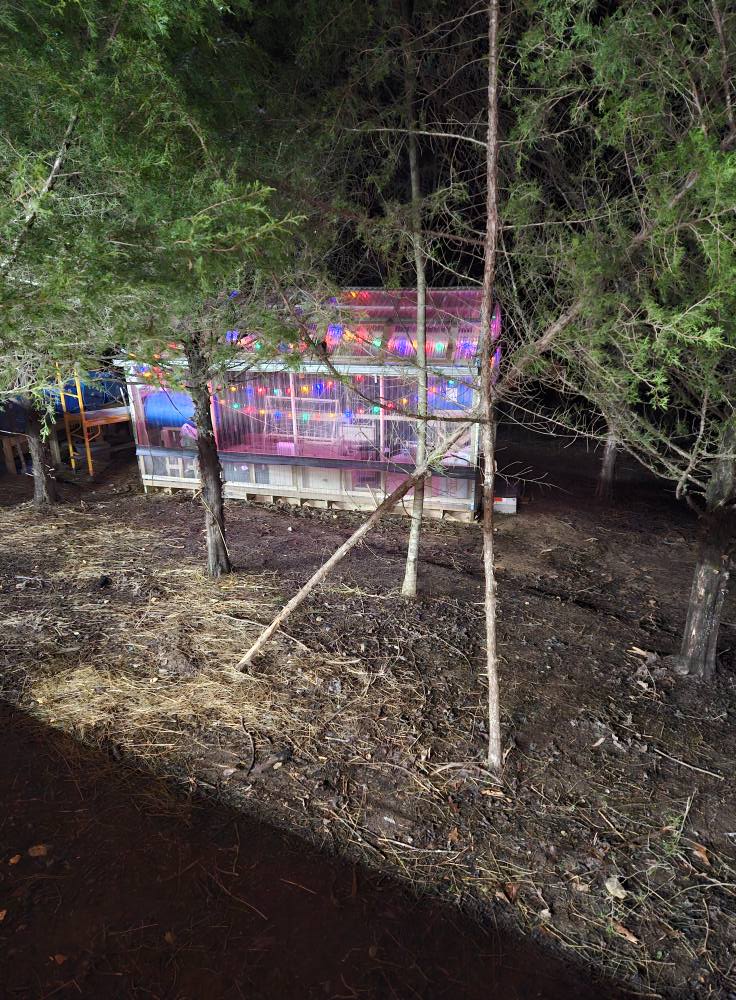
As we made progress on our home, we also began to expand our homestead by adding more buildings and structures to support our dream of becoming more self-sufficient. The first addition was a goat pen, a necessary step as we planned to raise goats for both milk and meat. Building the pen was a task we were excited to take on, knowing that goats would provide us with fresh milk and help us with land management.
In addition to the goat pen, we built a goat mansion, a small barn-like structure that would offer shelter and protection for our goats, particularly during harsh weather conditions. Our goats quickly became a big part of the homestead, and the goat mansion has provided them with the space they need to thrive.
Next on the agenda was the chicken coop. We’ve always wanted chickens for fresh eggs, and building the coop was an exciting part of the process. The chicken coop is designed to keep our flock safe, secure, and comfortable, with plenty of room for them to roam and nest.
Alongside these structures, we also built a greenhouse to grow our own vegetables year-round. The greenhouse has been instrumental in helping us extend our growing season and keep a steady supply of fresh, homegrown food at hand. With all of these additions, our homestead is well on its way to becoming fully functional and self-sustaining.
Our Growing Animal Family: Ducks, Chickens, Goats, and Hogs
In addition to the buildings, we’ve gradually added animals to our homestead, each contributing to our dream of living off the land. We started with ducks, which have proven to be both fun and practical additions. They help with pest control and provide eggs, and their quirky personalities make them a joy to have around.
We also have 12 chickens, who keep our supply of fresh eggs plentiful. Their presence adds to the homestead’s charm, and they play a vital role in our journey toward food independence.
As for the goats, we have nine of them. They provide us with milk, which we use for cooking, baking, and even making our own cheese. The goats also help keep our land in check, eating weeds and brush, making them valuable workers on our homestead.
Finally, we added two hogs to our homestead. We raised them for meat, and after months of caring for them, we recently butchered them. Though we no longer have the hogs on the property, they are now safely stored in the freezer, and we are grateful for the food they’ve provided.
Finishing Touches: Decorating for Christmas
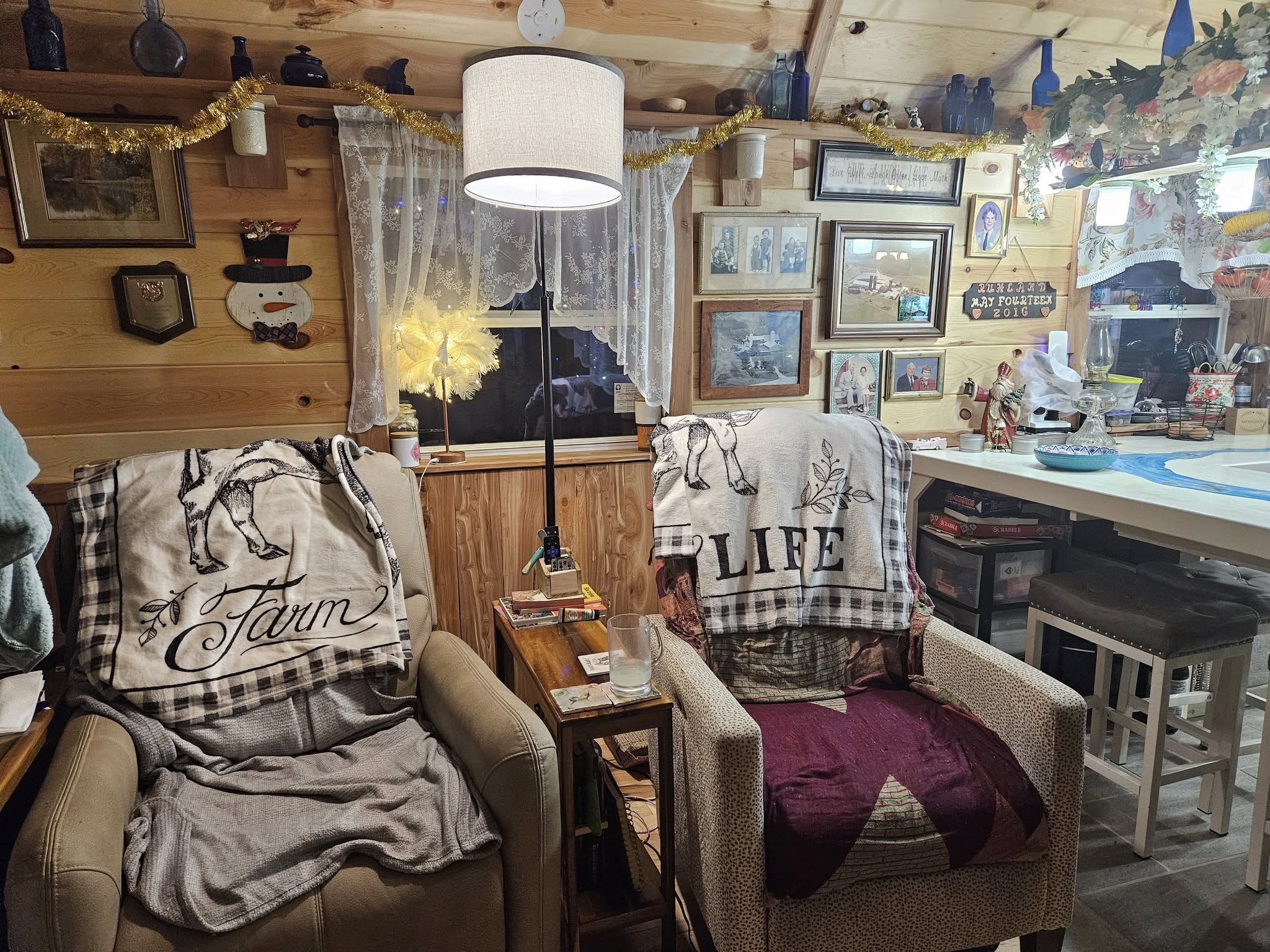
As winter approached, we put the finishing touches on our homestead and decorated our tiny home for Christmas. It was a joyful moment, seeing our dream come to life and celebrating the holidays in our new space. The Christmas decorations brought warmth and cheer to our home, making it feel even more like a place of peace and comfort.
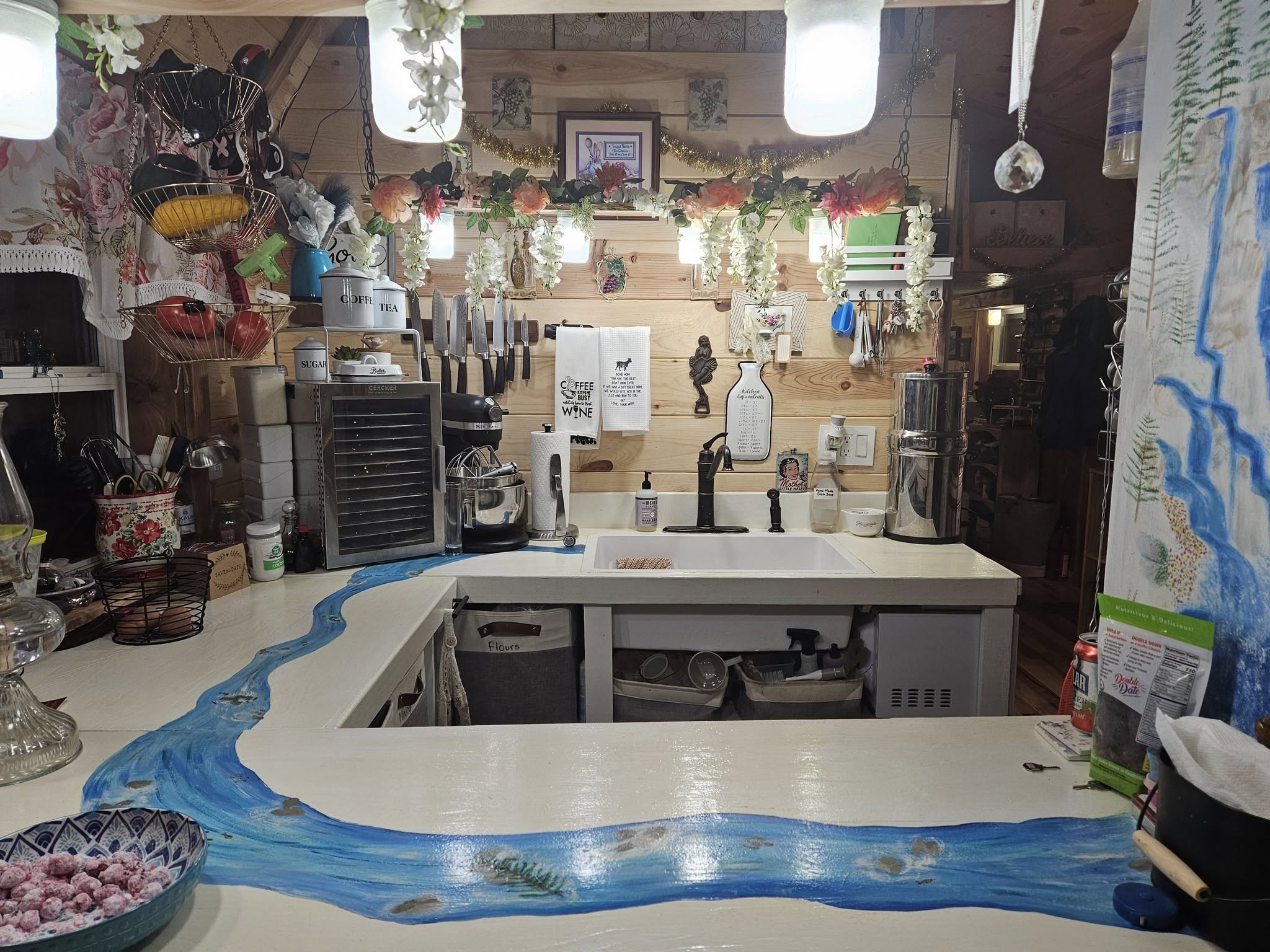
Though we are not completely done yet, the progress we’ve made in just one year has been incredible. Our homestead is a testament to hard work, determination, and the joy of living closer to the land. From clearing land and converting sheds to raising animals and growing our own food, we’ve built a life that brings us closer to nature and to each other.
Looking Forward: The Future of Our Homestead
While we’ve made significant strides in creating our homestead, the journey is far from over. We plan to continue expanding and improving our property, adding new features and making upgrades along the way. There’s always more to be done, but that’s part of the beauty of homesteading—it’s a lifelong project filled with challenges and rewards.
As we look to the future, we remain excited about the potential of our homestead and the life we’re building here in the mountains of Tennessee. The progress we’ve made is just the beginning, and we can’t wait to see where this adventure takes us.