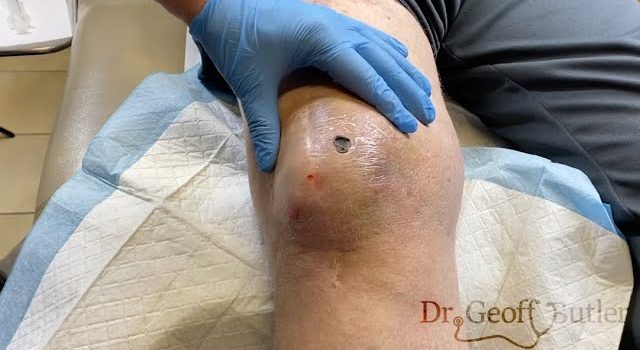
Knee hematomas, which occur when blood accumulates in the tissues around the knee joint due to injury, can cause significant discomfort, swelling, and limited mobility. Effective drainage of a knee hematoma is crucial in facilitating faster recovery and reducing the risk of complications. Here’s a comprehensive guide on how to effectively drain a knee hematoma and ensure optimal healing.
The first step in managing a knee hematoma is to properly assess the extent of the injury. Mild hematomas may resolve with conservative treatments, such as rest, ice, compression, and elevation (R.I.C.E.). However, more severe cases with significant swelling and pressure buildup may require professional intervention.
One common method of drainage is aspiration, where a healthcare provider uses a needle or syringe to remove the accumulated blood from the knee joint. This procedure is often done under local anesthesia to minimize discomfort. Aspiration helps to relieve pressure, reduce swelling, and prevent complications like joint stiffness or infection.
In some cases, if the hematoma is large or recurrent, surgical drainage may be necessary. This involves making a small incision to allow the blood to drain more effectively. Surgeons may also examine the knee for any underlying damage that could be contributing to the hematoma.
After drainage, rehabilitation becomes a critical part of the recovery process. Physical therapy exercises help restore movement and strength to the knee while preventing future injuries. During this time, patients should continue to follow a care plan that includes rest, ice, compression, and elevation to manage swelling.
In conclusion, draining a knee hematoma effectively requires timely intervention, appropriate medical procedures, and a careful rehabilitation plan. With the right approach, recovery can be faster, and the risk of long-term complications is minimized.