Elon Musk, the visionary founder of SpaceX, has long been vocal about his ambitions to make humanity a multi-planetary species, and he believes that SpaceX is well on its way to achieving this goal. Musk has recently expressed his conviction that within the next 20 to 30 years, SpaceX can establish a self-sustaining human presence on Mars. This bold prediction underscores Musk’s enduring belief in space exploration and his deep commitment to pushing the boundaries of technology and human potential.
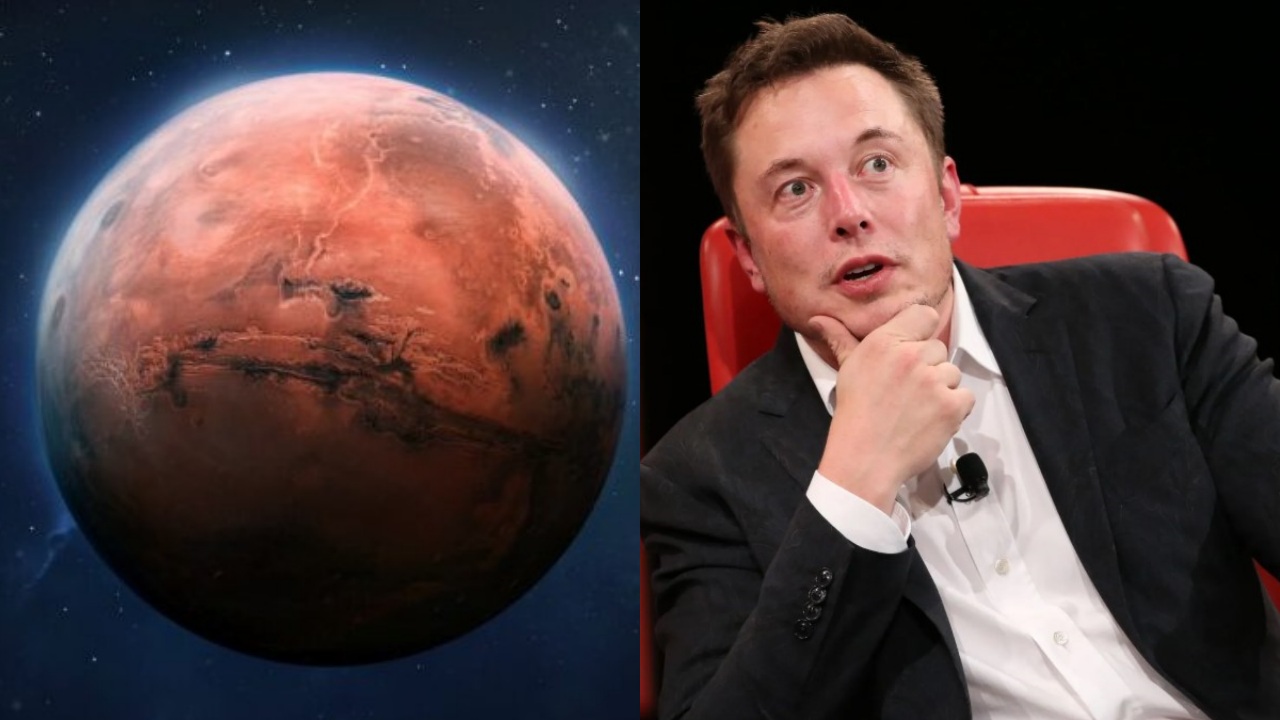
For Musk, the idea of colonizing Mars is more than just a dream; it is a critical step toward ensuring the survival of humanity. Musk has often emphasized that establishing a permanent settlement on another planet is essential in case Earth faces catastrophic events, whether due to natural disasters, climate change, or other existential threats. By creating a self-sustaining life on Mars, Musk envisions a future where humanity has a backup plan—an insurance policy, if you will—that would help safeguard the species from the unknown challenges of the future.
Musk’s confidence in SpaceX’s ability to make this vision a reality stems from the significant strides the company has made in space exploration and technology development over the past two decades. SpaceX has already revolutionized space travel with innovations like reusable rockets, which have drastically reduced the cost of space missions. The company’s Falcon 9 rocket and the Starship spacecraft, currently under development, are seen as key enablers for interplanetary travel, with the Starship specifically designed to carry large numbers of people and cargo to Mars.
Musk has outlined a vision for a sustainable Martian colony that would rely on self-sufficiency. This would involve developing the technology to extract resources from Mars itself, including building infrastructure and producing food, water, and oxygen from the Martian environment. Musk has discussed the potential for utilizing the planet’s abundant carbon dioxide to create oxygen through chemical processes, and even converting local water ice into usable drinking water. These advancements would enable future Martian settlers to live independently of Earth for extended periods of time, reducing the need for constant resupply missions from Earth.
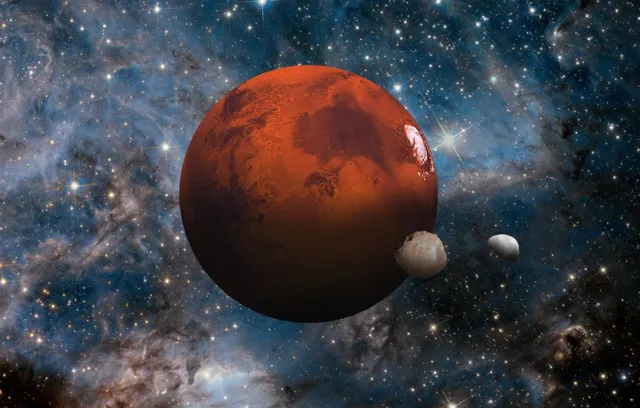
In addition to the technological hurdles, Musk has acknowledged the significant challenges involved in ensuring the health and safety of humans living on Mars. The planet’s thin atmosphere, harsh radiation levels, and extreme temperatures make it a far less hospitable environment than Earth. However, Musk remains confident that SpaceX can develop the necessary technologies to address these issues, including radiation shielding, life support systems, and habitat construction methods that would protect settlers from Mars’ hostile conditions.
Musk’s timeline of 20 to 30 years may seem ambitious, but he has a track record of achieving seemingly impossible goals. SpaceX’s rapid progress in developing reusable rockets and its ability to execute complex missions have shown that the company is capable of moving faster than many would expect. Musk’s ambitious plans have garnered support from both government agencies like NASA and private investors, all of whom are eager to see the advancement of human space exploration.
However, the road to Mars is fraught with challenges. Establishing a self-sustaining colony on Mars requires not only cutting-edge technology but also addressing long-term sustainability in terms of life support systems, economic viability, and societal structure. Musk’s plan would need to include everything from building sustainable energy sources on Mars to ensuring that the colony can thrive without Earth-based support. It’s a monumental task, but Musk’s vision is clear: SpaceX is not just working to send humans to Mars but to create a sustainable civilization there.
While Musk’s timeline remains optimistic, the drive to make life on Mars a reality has already begun. SpaceX’s ongoing tests with the Starship spacecraft, along with NASA’s Artemis program and other space exploration initiatives, signal a future where interplanetary travel and colonization could become a reality. Musk’s belief that SpaceX can achieve a self-sustaining Mars colony in the next few decades highlights his unwavering confidence in technological progress and humanity’s ability to overcome immense challenges.
In conclusion, Elon Musk’s belief that SpaceX can establish a self-sustaining human presence on Mars within the next 20 to 30 years reflects his visionary approach to space exploration and his determination to secure a future for humanity beyond Earth. With SpaceX’s groundbreaking advancements in rocket technology and his relentless drive, Musk is pushing the limits of what is possible. While the challenges are immense, his bold prediction serves as a reminder of the transformative potential of space exploration and the lengths to which humanity is willing to go to secure its future.