In a shocking blow to Tesla’s vision of affordable, futuristic transportation, the company is reeling from what industry insiders are calling a “tariff tsunami.” New international trade restrictions and retaliatory import taxes have sent prices of Tesla’s upcoming vehicles skyrocketing — with the highly anticipated Cybercab ballooning from its original $30,000 price point to an eye-watering $300,000, and the heavy-duty Tesla Semi now rumored to cost a jaw-dropping $1 million per unit.
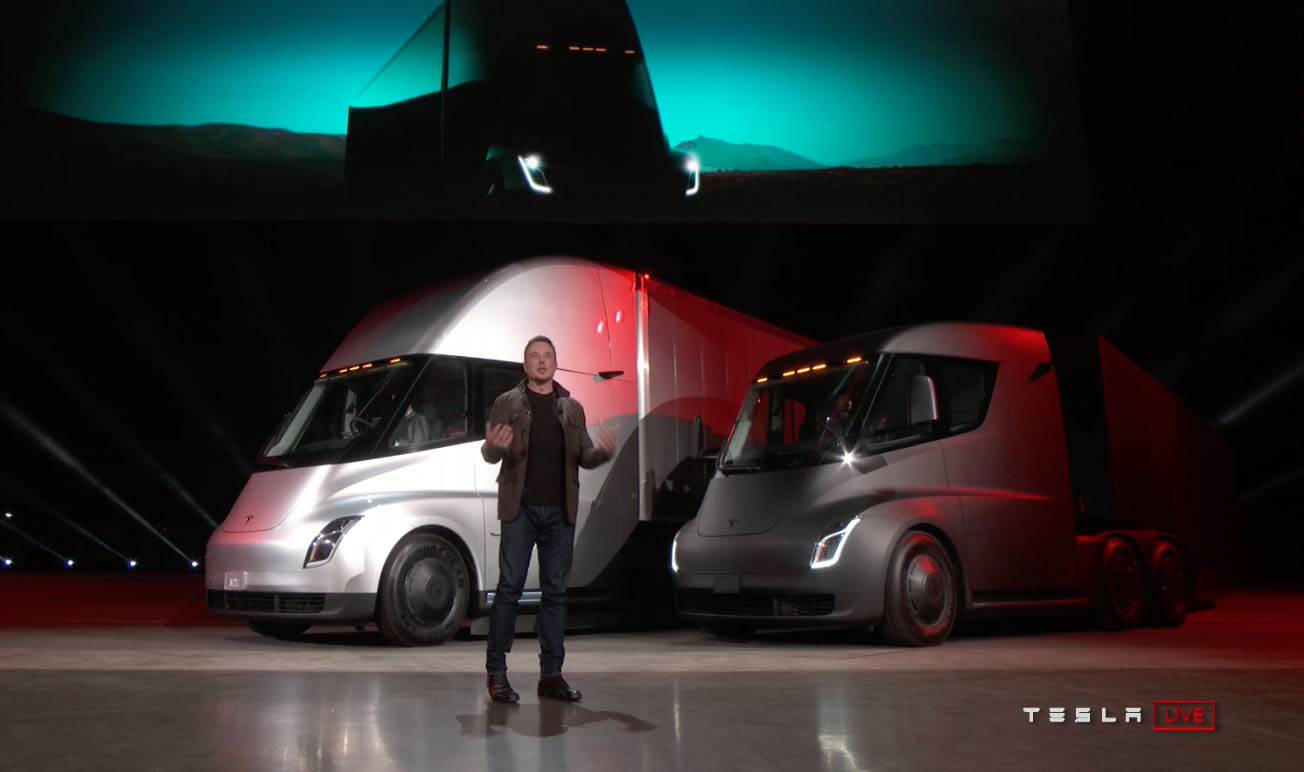
What was supposed to be a game-changing moment for electric mobility has turned into a nightmare scenario for Tesla — and potentially the entire EV market.
The chaos began after a wave of escalating trade tensions between the U.S. and several major global economies, including China, the European Union, and India. In response to new American tariffs on imported raw materials and tech components, foreign nations slapped hefty counter-tariffs on U.S.-made goods — especially electric vehicles, batteries, and high-end components sourced from Tesla’s Gigafactories.
The impact was immediate. Costs for critical materials such as lithium, nickel, cobalt, and rare earth elements soared. Even more devastating were the new taxes on microchips and AI hardware — essential for Tesla’s Full Self-Driving systems and next-gen autonomous vehicles.
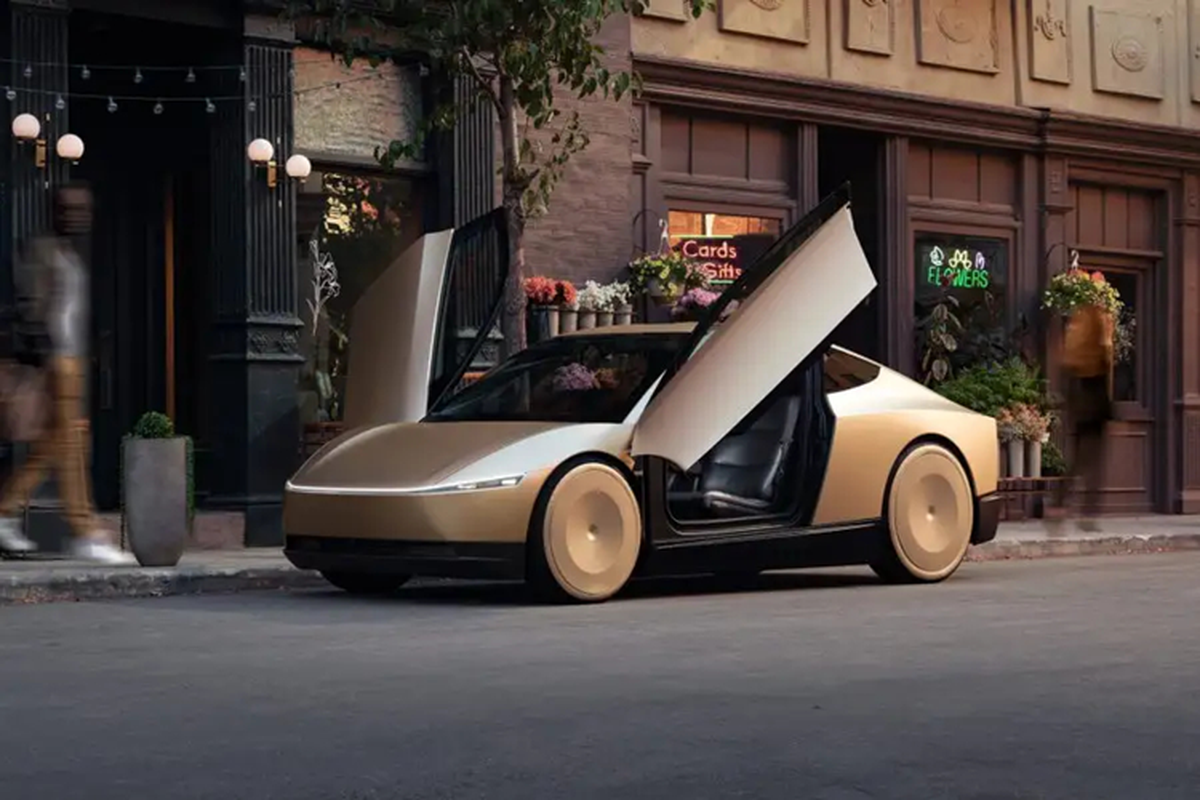
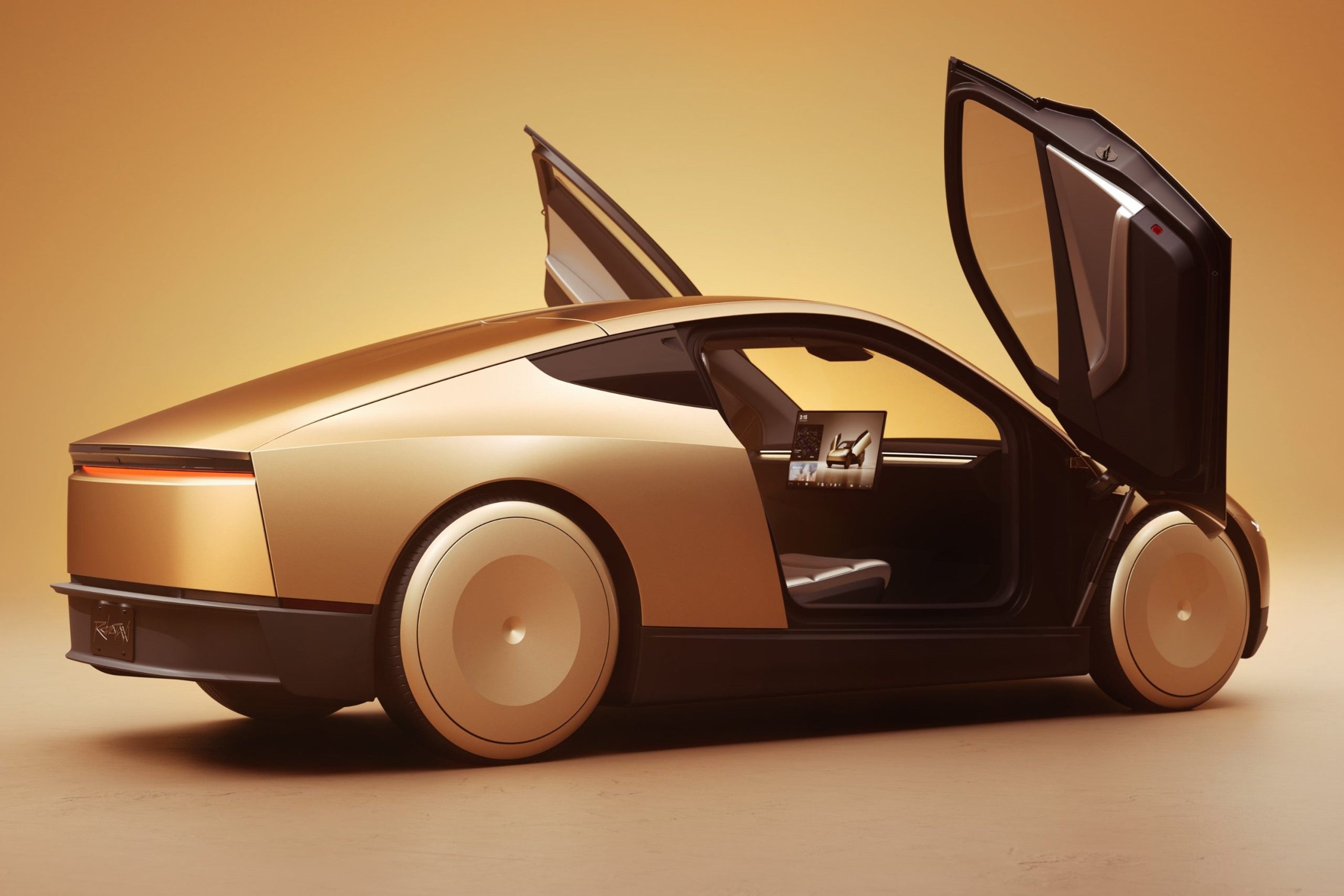
Tesla’s most budget-friendly innovation, the Cybercab — a sleek, driverless EV designed for rideshare services and urban commuting — was intended to bring autonomy to the masses. But with production costs now ballooning under international tariffs, the dream of an affordable robotaxi is fading fast. Industry analysts say the new $300,000 price tag makes it “completely unviable” for mainstream deployment.
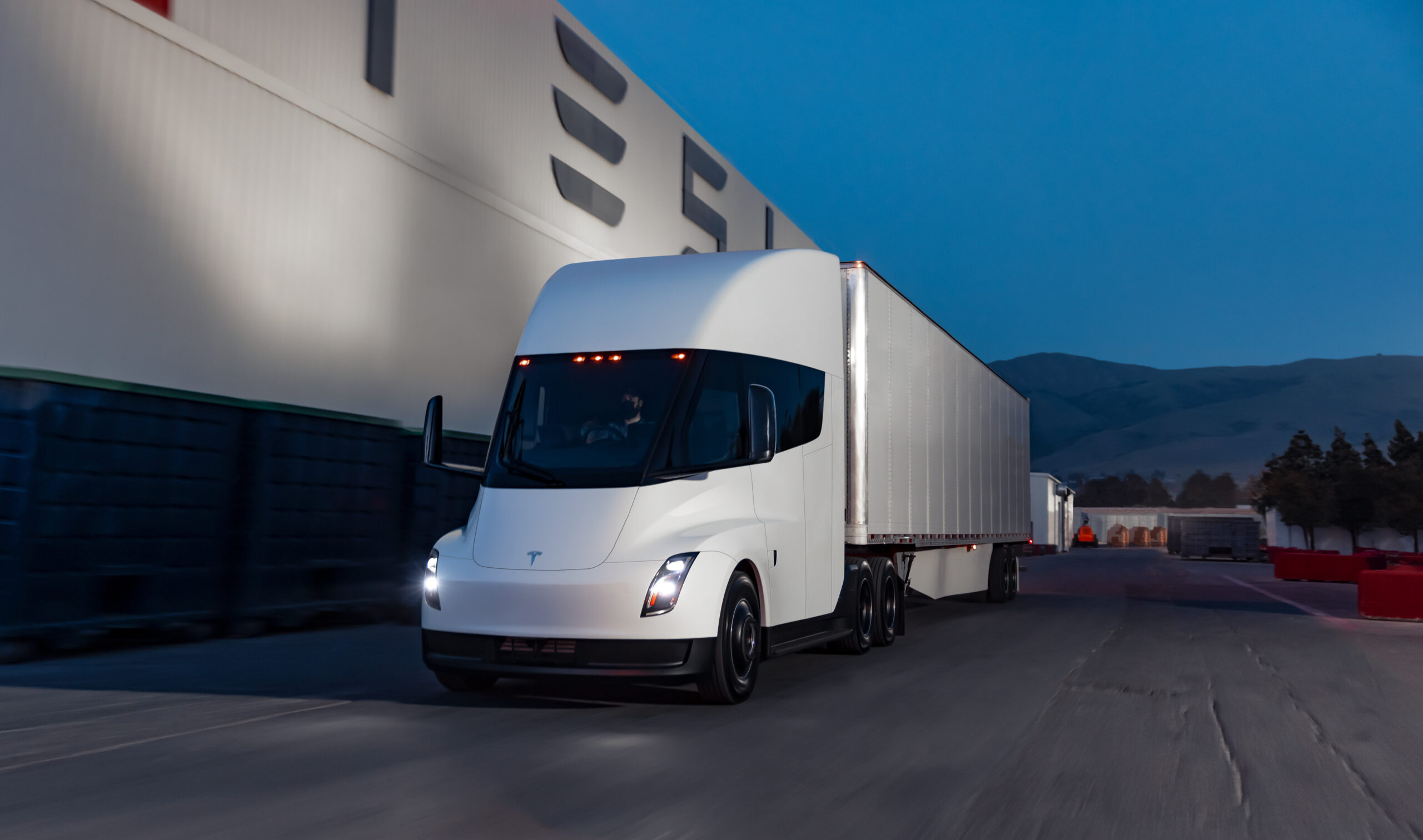
The Tesla Semi, once hailed as a revolution in freight transport and supply chain sustainability, has been hit even harder. Already an ambitious and high-cost project, the Semi now reportedly costs over $1 million per unit due to inflated prices on aluminum, battery packs, and imported AI systems.
“Tesla built its brand on innovation and accessibility,” says tech analyst Mira Jansen. “But this level of economic warfare is something no automaker can innovate around. The tariffs are essentially pricing Tesla out of its own markets.”
Elon Musk, never one to stay silent during turmoil, took to X (formerly Twitter) to voice his frustration:
He followed up with a cryptic message:
While Musk didn’t elaborate, insiders speculate Tesla could relocate manufacturing to tariff-neutral countries or invest in fully domestic supply chains to avoid future international price shocks.
In the meantime, customers and investors alike are left stunned. What was shaping up to be a landmark year for Tesla now teeters on the edge of crisis — unless Musk can work another miracle.
One thing’s for sure: the future of electric vehicles just got a lot more expensive.