If you’ve ever dreamed of a vibrant, colorful garden without the constant need for watering, fertilizing, or pampering, native flowers are your best allies. These resilient plants have adapted to local conditions over centuries, making them perfectly suited to thrive with minimal care. Here are 13 stunning native blooms that flourish even when you forget about them—proving that less really can be more.
-
Black-Eyed Susan (Rudbeckia hirta) – Known for its golden petals and dark centers, this sunny wildflower blooms all summer with little water.
-
Purple Coneflower (Echinacea purpurea) – A pollinator favorite that tolerates drought and poor soil with ease.
-
Blanket Flower (Gaillardia pulchella) – Offers fiery red and orange blooms and thrives in dry, sandy soil.
-
Yarrow (Achillea millefolium) – Hardy and fragrant, this flower attracts butterflies and needs almost no care.
-
Coreopsis (Coreopsis lanceolata) – Cheerful yellow flowers that bloom for months, even in hot, dry conditions.
-
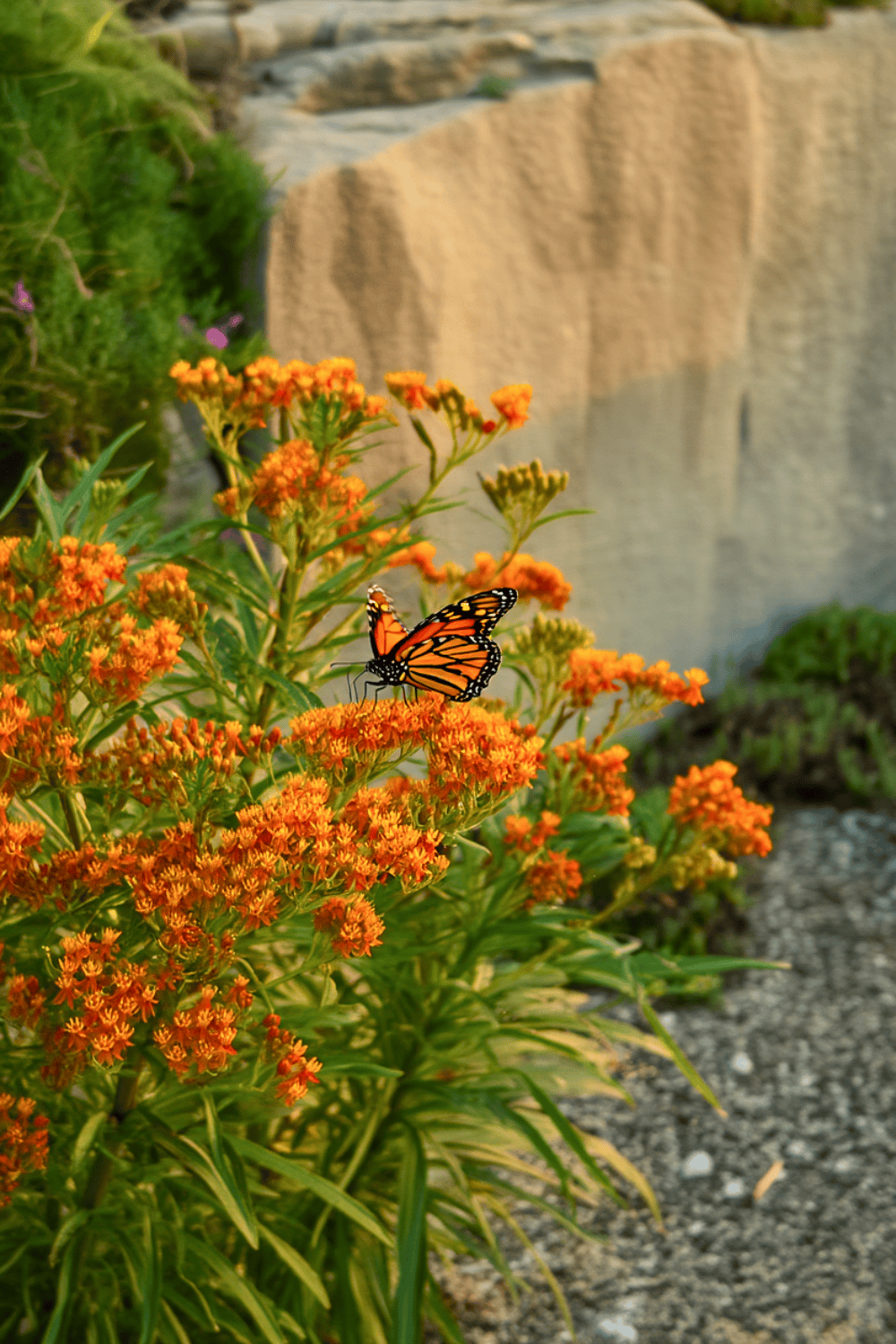
Butterfly Weed (Asclepias tuberosa) – A host for monarchs, it thrives in full sun and dry soil.
-
Goldenrod (Solidago spp.) – A late-summer bloomer that supports bees and requires minimal watering.
-
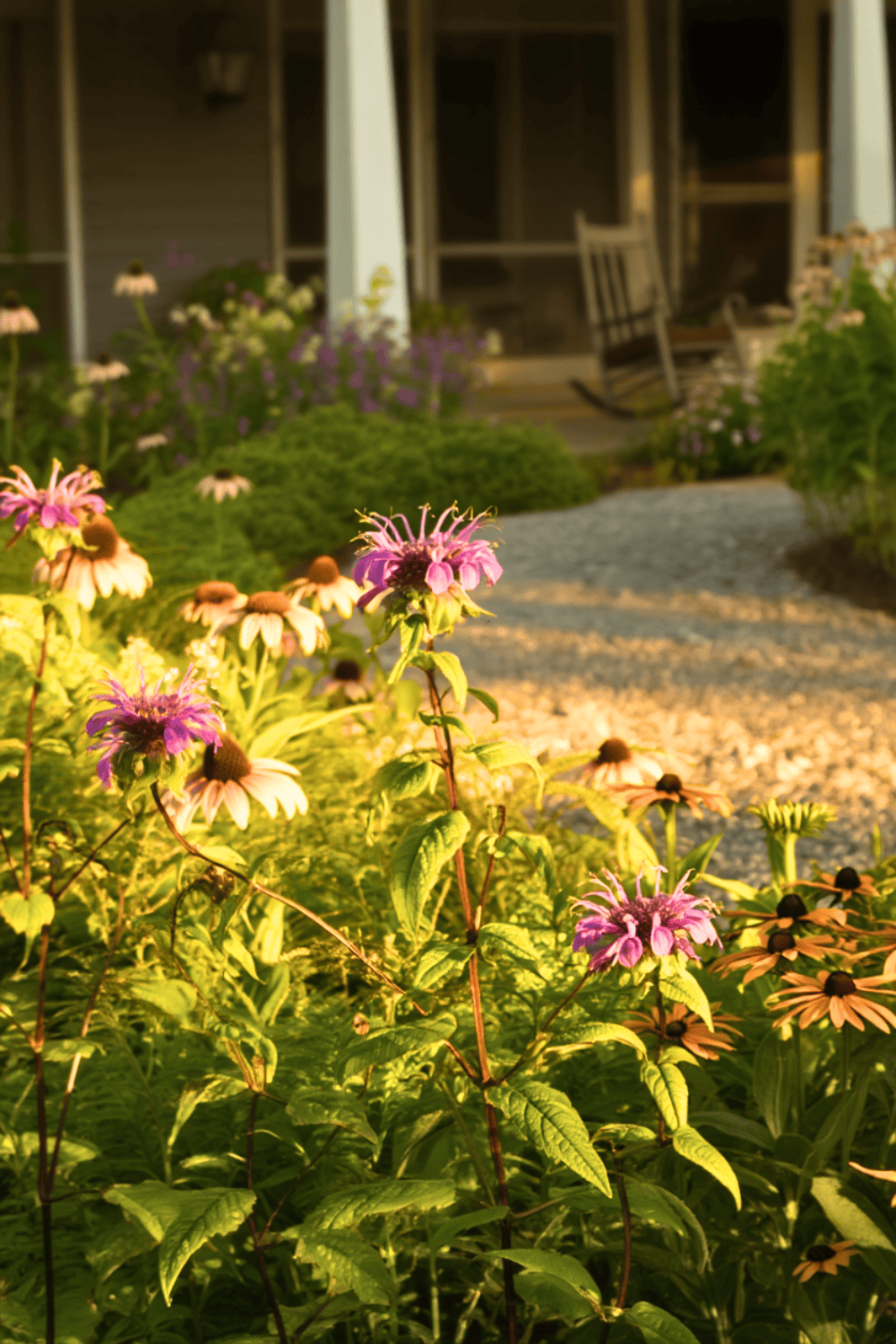
Wild Bergamot (Monarda fistulosa) – Adds lavender blooms and a lovely fragrance while resisting drought.
-
Blue Flax (Linum lewisii) – Delicate sky-blue flowers that flourish in rocky or sandy soil.
-
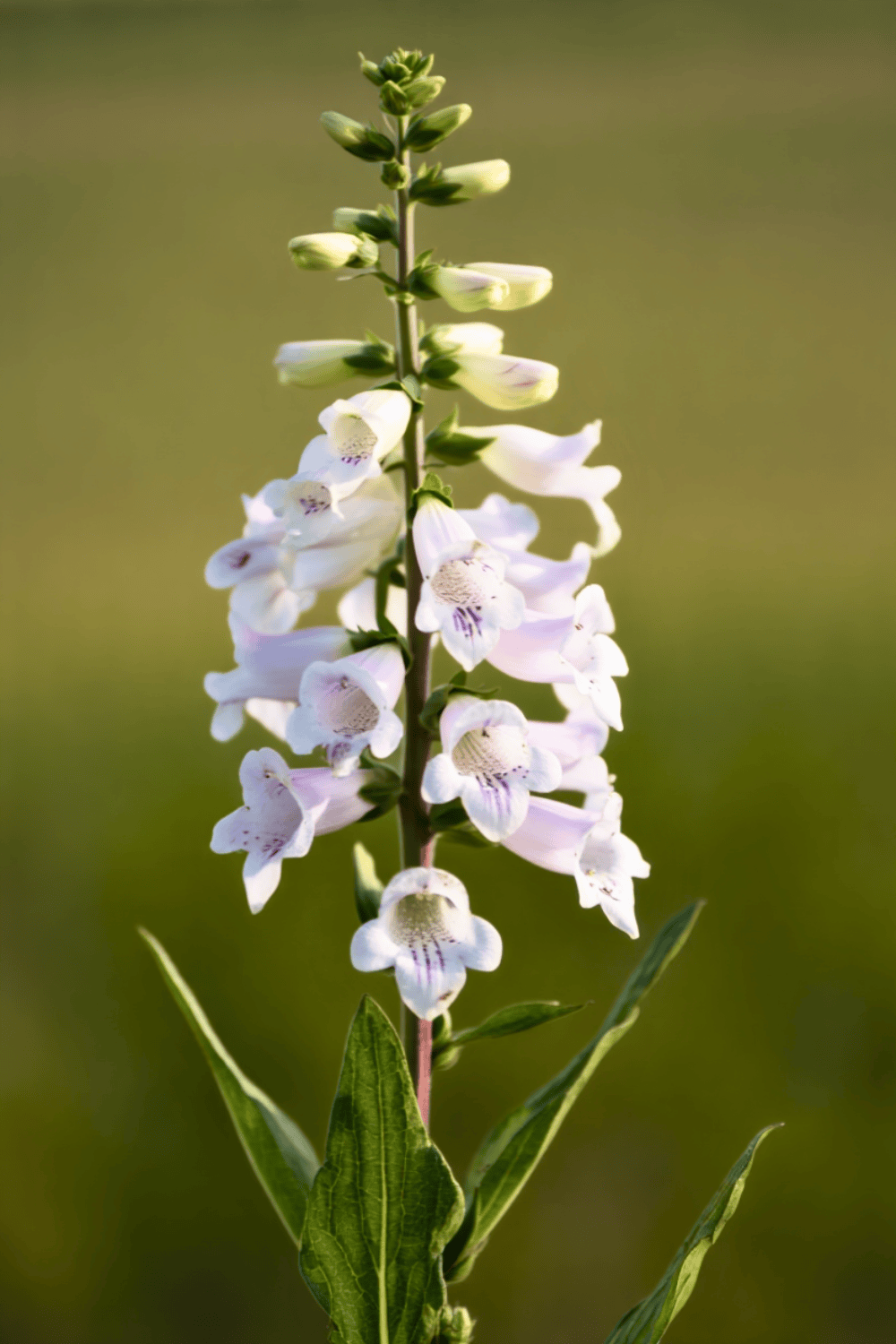
Penstemon (Penstemon digitalis) – Tolerates poor soil and adds vertical charm to native gardens.
-
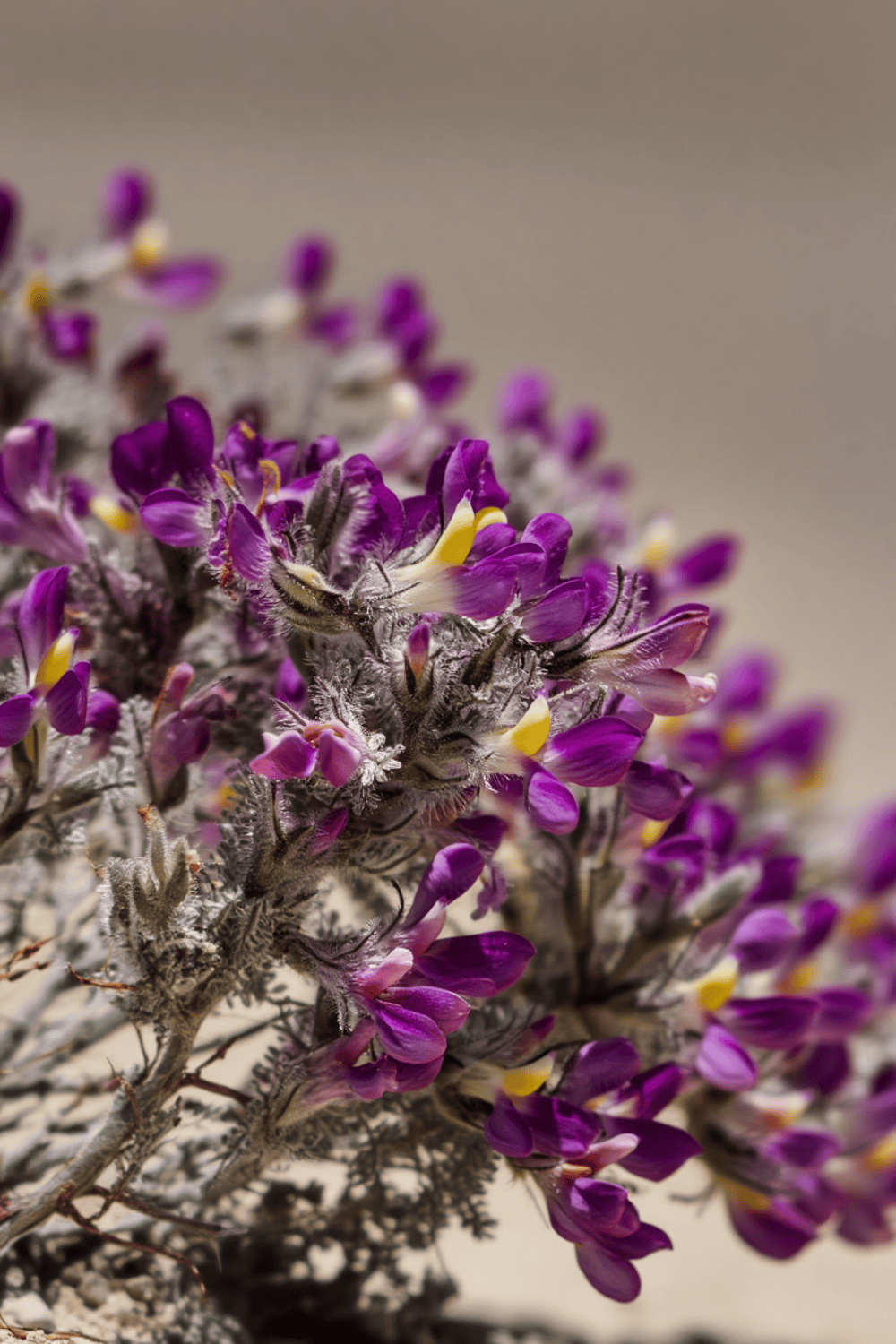
Prairie Clover (Dalea purpurea) – Fixes nitrogen, enriches soil, and blooms beautifully with little effort.
-
Spiderwort (Tradescantia ohiensis) – Tolerant of both sun and shade, with lovely violet flowers.
-
California Poppy (Eschscholzia californica) – The ultimate low-water bloomer, spreading sunshine across dry landscapes.
With these hardy natives, you can cultivate beauty, support pollinators, and conserve water—all while doing less work.