Bell peppers are one of the most rewarding vegetables to grow at home. With the right approach, a few healthy plants can produce an impressive harvest throughout the season. If you’ve ever struggled with small yields or slow growth, this guide will help you change that. By following proven growing techniques, you can enjoy buckets full of crisp, colorful bell peppers from your own garden.
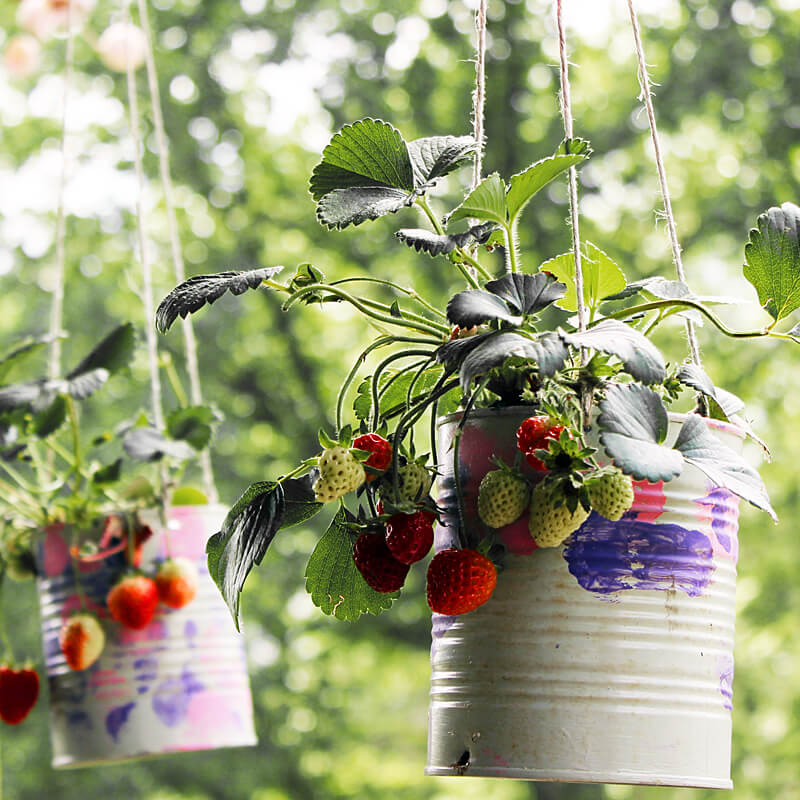
The first step to a successful pepper harvest is choosing the right variety. Some bell pepper varieties are bred for high productivity and disease resistance. Select varieties that are well suited to your climate and growing season. In cooler regions, early-maturing varieties perform best, while warmer climates can support longer-season peppers that produce heavily over time.
Sunlight is essential for pepper plants. Bell peppers thrive in full sun and need at least six to eight hours of direct sunlight each day. Planting them in a sunny location encourages strong growth, abundant flowering, and larger fruit. If sunlight is limited, consider growing peppers in containers that can be moved to follow the sun.
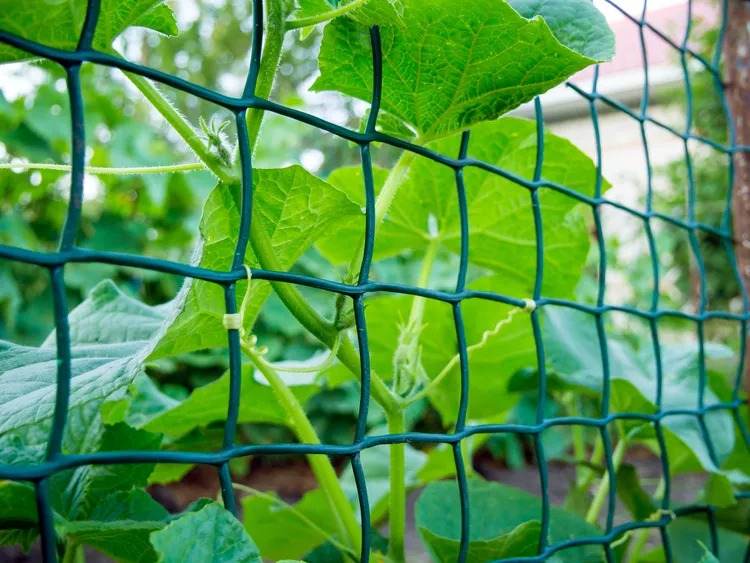
Healthy soil plays a major role in boosting yields. Bell peppers prefer well-draining, nutrient-rich soil with plenty of organic matter. Before planting, enrich the soil with compost or aged manure to provide essential nutrients. Peppers are heavy feeders, so adding a balanced fertilizer at planting time and throughout the growing season helps support continuous fruit production.
Proper watering is another key factor. Pepper plants need consistent moisture, especially during flowering and fruit development. Water deeply and regularly, keeping the soil evenly moist but not waterlogged. Mulching around the base of plants helps retain moisture, regulate soil temperature, and prevent weeds from competing for nutrients.
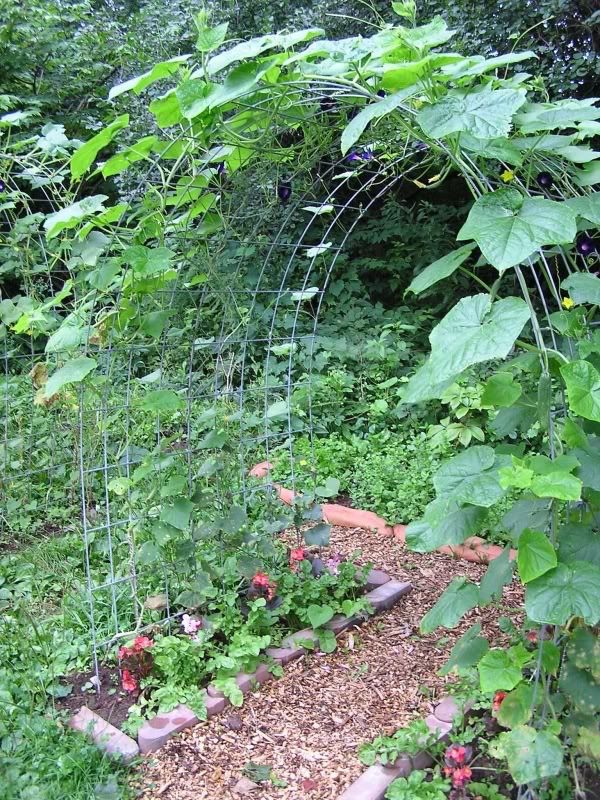
Spacing and airflow also impact how many peppers you harvest. Crowded plants compete for light and nutrients, which can reduce yields. Give each plant enough space to grow and ensure good airflow to reduce the risk of disease. Staking or caging pepper plants helps support heavy branches and keeps fruit off the ground.
One of the best ways to encourage more peppers is regular harvesting. Picking peppers as soon as they reach full size stimulates the plant to produce more flowers and fruit. Even if you prefer fully colored peppers, harvesting some while they are green can increase overall productivity.
Temperature management is often overlooked but is crucial for success. Bell peppers grow best in warm conditions, ideally between 70 and 85°F (21–29°C). Protect plants from cold temperatures early in the season and provide shade during extreme heat to prevent stress and flower drop.
Finally, monitor your plants for pests and diseases. Common issues like aphids, spider mites, or fungal diseases can reduce yields if left unchecked. Regular inspection and early intervention keep plants healthy and productive.
With proper variety selection, sunlight, soil care, watering, and regular harvesting, bell pepper plants can produce abundantly. Follow this guide, and you’ll be rewarded with buckets full of delicious bell peppers all season long.