A Walipini greenhouse, also known as an underground or earth-sheltered greenhouse, is an innovative and cost-effective solution for growing plants year-round, even in cold climates. The word Walipini comes from the Aymara language and means “place of warmth.” By using the earth’s natural insulation, this type of greenhouse maintains stable temperatures, protects plants from harsh weather, and extends the growing season significantly. Building a Walipini requires careful planning, but the long-term benefits make it worthwhile.
The first step in building a Walipini greenhouse is choosing the right location. Select a spot with maximum sun exposure, ideally facing south in the Northern Hemisphere. Good drainage is essential, as water accumulation can damage plants and the structure itself. Avoid areas with a high water table, since excessive groundwater can flood the greenhouse. Before digging, check local regulations and ensure underground construction is permitted.
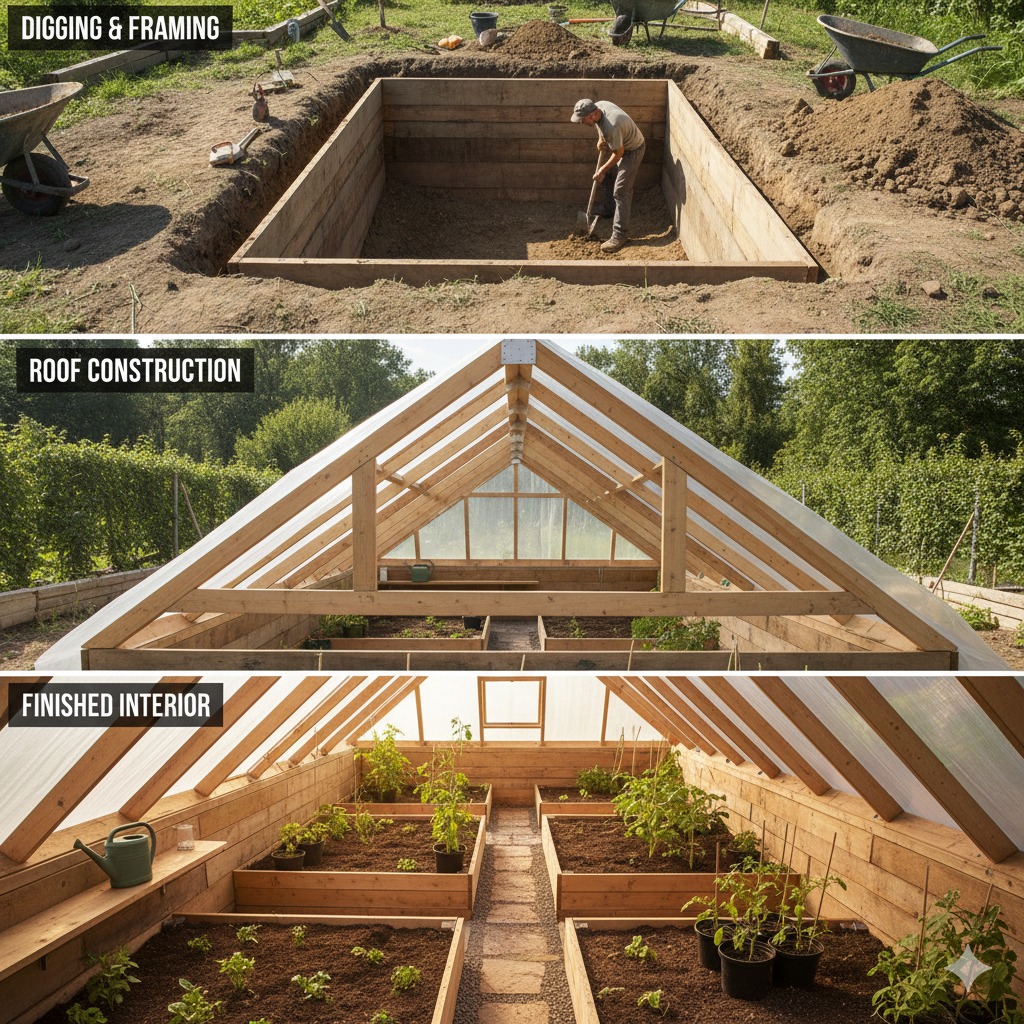
Next comes excavation. A typical Walipini is dug 6 to 8 feet deep, depending on climate and soil conditions. The depth allows the greenhouse to stay warm during winter and cool during summer. The north wall is usually taller than the south wall to support the slanted roof, which maximizes sunlight exposure. After digging, reinforce the walls using materials such as rammed earth, concrete blocks, stone, or treated wood to prevent collapse and improve insulation.
The roof is one of the most important components of a Walipini greenhouse. It is usually built at an angle and covered with transparent or translucent materials like greenhouse plastic, polycarbonate panels, or glass. The sloped design allows sunlight to penetrate deeply while shedding rain and snow. Proper sealing is crucial to prevent heat loss and protect against moisture damage.
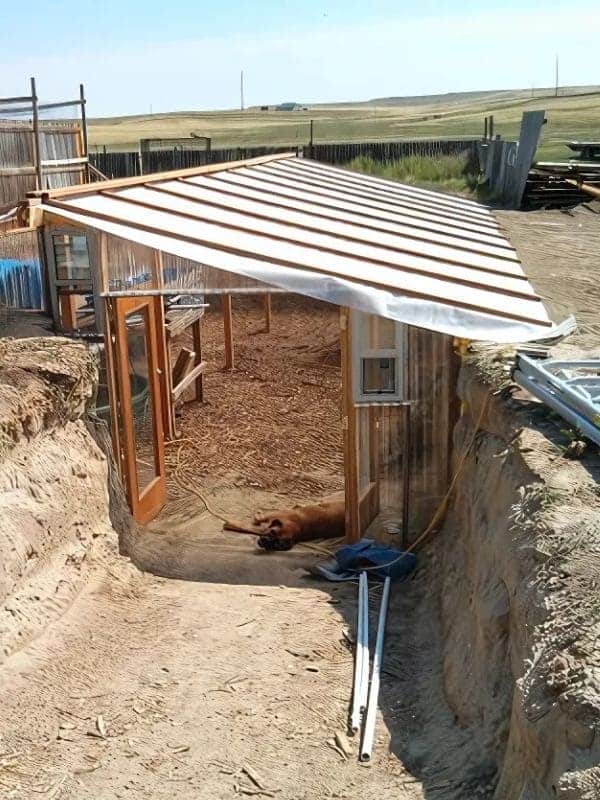
Ventilation and drainage systems are essential for maintaining a healthy growing environment. Install vents or windows near the roof to release excess heat during warm periods and prevent humidity buildup. A simple drainage trench filled with gravel can help manage excess water and keep plant roots healthy. Without proper airflow and drainage, plants may become vulnerable to mold and disease.
Soil preparation is another key step. Since plants will grow directly in the ground or raised beds, enrich the soil with compost, organic matter, and nutrients. Raised beds improve drainage and make planting easier, while pathways between beds allow for comfortable movement inside the greenhouse. You can also add thermal mass, such as barrels of water or stone, to store heat during the day and release it at night.
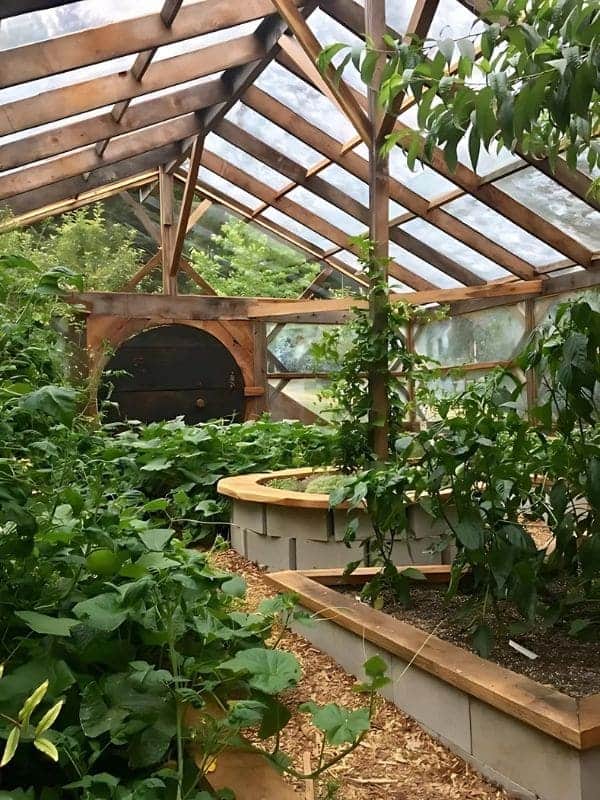
Finally, plan what you will grow. Walipini greenhouses are ideal for leafy greens, herbs, root vegetables, and even some fruiting plants. With proper management, you can harvest fresh produce throughout the year.
In conclusion, building a Walipini greenhouse is a sustainable and practical way to grow food year-round. By combining smart design, natural insulation, and thoughtful planning, you can create a productive growing space that saves energy, reduces costs, and supports long-term food security.