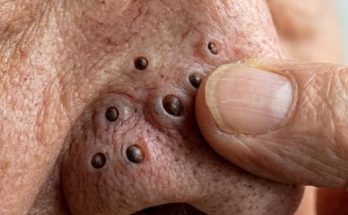
Inflammatory acne is one of the most stubborn and uncomfortable forms of acne, often causing redness, swelling, and pain. Unlike mild breakouts such as blackheads or whiteheads, inflammatory acne develops when pores become clogged with oil, dead skin cells, and bacteria, triggering an immune response. Understanding its causes, symptoms, and treatment options is essential for managing flare-ups and preventing long-term skin damage.
What Causes Inflammatory Acne?
The primary cause of inflammatory acne is the overproduction of sebum, an oily substance produced by the sebaceous glands. When excess oil combines with dead skin cells, it clogs pores and creates an ideal environment for acne-causing bacteria, particularly Cutibacterium acnes. As bacteria multiply, the body responds with inflammation, leading to swollen and painful lesions.
Hormonal changes are a major contributing factor, especially during puberty, menstruation, pregnancy, and periods of high stress. Androgens stimulate oil glands, increasing sebum production. Other triggers include genetics, poor skincare habits, comedogenic makeup, a high-glycemic diet, dairy consumption, and chronic stress. Environmental factors like pollution and humidity can also worsen inflammation.
Common Symptoms of Inflammatory Acne
Inflammatory acne typically appears as red, tender bumps on the skin. These lesions are often painful and more noticeable than non-inflammatory acne. Common types include papules, pustules, nodules, and cysts. Papules are small red bumps without pus, while pustules contain visible white or yellow fluid. Nodules and cysts are deeper, more severe forms that can be extremely painful and may lead to scarring if left untreated.
Inflammatory acne most commonly affects the face, chest, shoulders, and back. In severe cases, it can impact self-esteem and emotional well-being, making early and effective treatment especially important.
Effective Treatment Solutions
Treating inflammatory acne requires a consistent and gentle approach. Over-the-counter products containing benzoyl peroxide help kill acne-causing bacteria and reduce inflammation. Salicylic acid is another effective ingredient that unclogs pores and minimizes swelling. For sensitive skin, niacinamide can help calm redness while regulating oil production.
In moderate to severe cases, dermatologists may prescribe topical or oral medications. Topical retinoids help prevent clogged pores and improve skin cell turnover, while antibiotics reduce bacterial growth and inflammation. For severe cystic acne, oral medications such as isotretinoin or hormonal treatments like birth control pills may be recommended.
Supportive Skincare and Lifestyle Habits
A gentle skincare routine plays a crucial role in managing inflammatory acne. Use a mild, non-comedogenic cleanser twice daily and avoid harsh scrubs that can irritate the skin. Always moisturize with an oil-free product to maintain skin barrier health. Daily sunscreen use is essential, as acne treatments can make skin more sensitive to sunlight.
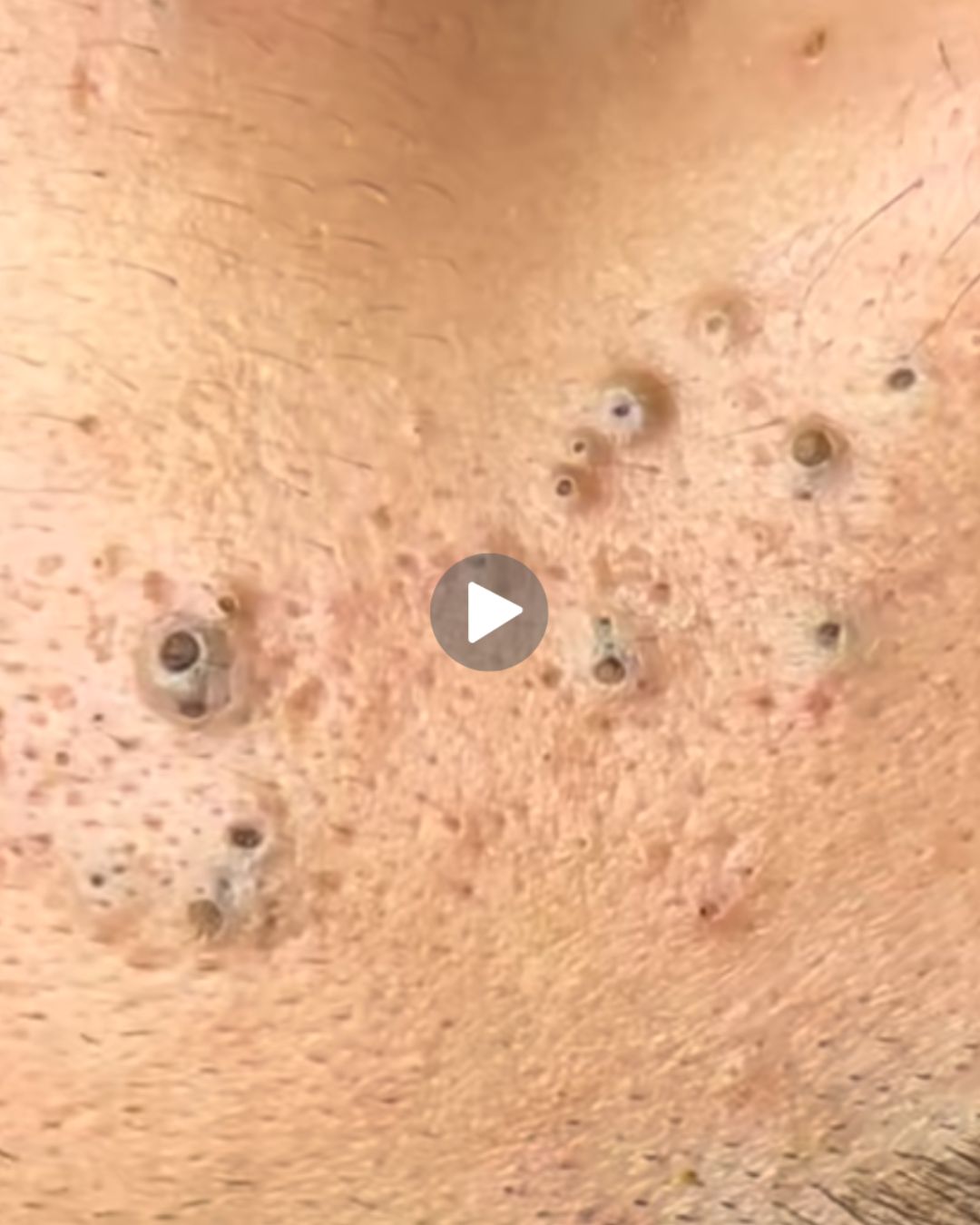
Lifestyle changes can also support clearer skin. Managing stress, maintaining a balanced diet, staying hydrated, and avoiding touching or picking at acne lesions can significantly reduce flare-ups and prevent scarring.
Final Thoughts
Inflammatory acne can be challenging, but it is highly treatable with the right combination of skincare, medical treatments, and healthy habits. Early intervention and consistency are key. By understanding your skin and addressing both internal and external triggers, you can achieve clearer, calmer, and healthier skin over time.