Healthy skin is not created overnight—it is the result of simple habits repeated consistently. Building skincare into your daily routine can help maintain a clean, balanced, and natural-looking complexion. The goal is not to follow complicated steps but to understand what your skin needs and provide gentle care every day.
Chapter 1: Building the Foundation of Healthy Skin
The first step toward healthier skin is creating a basic routine that you can follow consistently. A simple skincare routine usually begins with three important steps: cleansing, moisturizing, and protecting.
Cleansing helps remove dirt, excess oil, sweat, and environmental pollutants that collect on your skin throughout the day. Choose a gentle cleanser that keeps your skin feeling refreshed without causing dryness or irritation.
Moisturizing is essential for maintaining the skin’s natural protective barrier. Even oily skin needs hydration because properly balanced moisture can help your skin look smoother and healthier. Applying moisturizer after cleansing helps lock in hydration and keeps your skin feeling soft.
Sun protection should always be part of your daily routine. Exposure to UV rays can contribute to premature aging, uneven skin tone, and skin damage. Wearing sunscreen every day helps protect your skin and maintain its youthful appearance.
Chapter 2: Healthy Habits That Support Your Skin
Skincare is not only about the products you apply—it is also about how you care for your body. Your daily lifestyle has a major impact on how your skin looks and feels.
Drinking enough water helps support overall hydration, while eating a balanced diet provides nutrients that your skin needs. Fruits and vegetables rich in vitamins and antioxidants can help support a healthy appearance, while proteins and healthy fats contribute to skin strength and repair.
Getting enough sleep is another important part of healthy skin care. During sleep, your body goes through natural recovery processes that help your skin look refreshed. Poor sleep can make skin appear tired, dull, or stressed.
Managing stress is also beneficial. High stress levels may affect your skin by increasing oil production or making existing skin concerns more noticeable. Simple activities such as exercise, relaxation, and spending time outdoors can support both your overall wellness and your skin.
Chapter 3: Creating a Routine You Can Maintain
The best skincare routine is one that fits your lifestyle. You do not need dozens of products to care for your skin. Consistency is more important than complexity.
Pay attention to your skin’s needs and adjust your routine when necessary. For example, your skin may need extra moisture during dry seasons or lighter products during warmer weather.
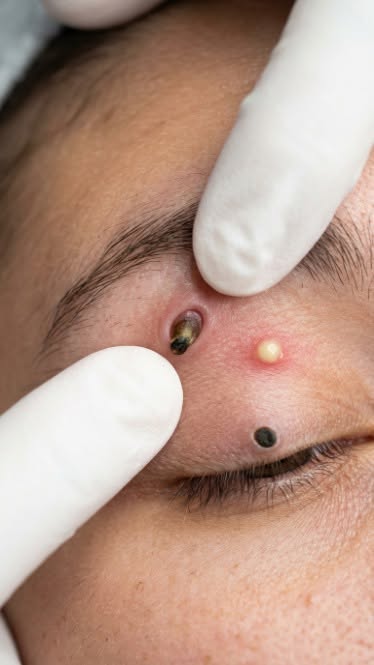
Avoid harsh scrubbing or using too many active products at once, as this can disturb your skin’s natural balance. Gentle care and patience often create better long-term results.
Make skincare a moment of self-care rather than a daily task. Taking a few minutes each morning and evening to care for your skin can become a healthy habit that improves both your appearance and confidence.
Final Thoughts
Healthy skin care is a lifestyle built through small daily choices. By creating a simple routine, protecting your skin, maintaining healthy habits, and staying consistent, you can support a naturally fresh and glowing complexion.
Beautiful skin is not about chasing perfection—it is about understanding your skin, caring for it regularly, and giving it the attention it deserves every day.