Acne is a common skin condition that affects people of all ages, but one of the more noticeable types of acne is papules. These small, red, and often painful bumps are a key feature of acne vulgaris, and understanding their causes, symptoms, and treatment options is essential for managing them effectively.
What Are Acne Papules?
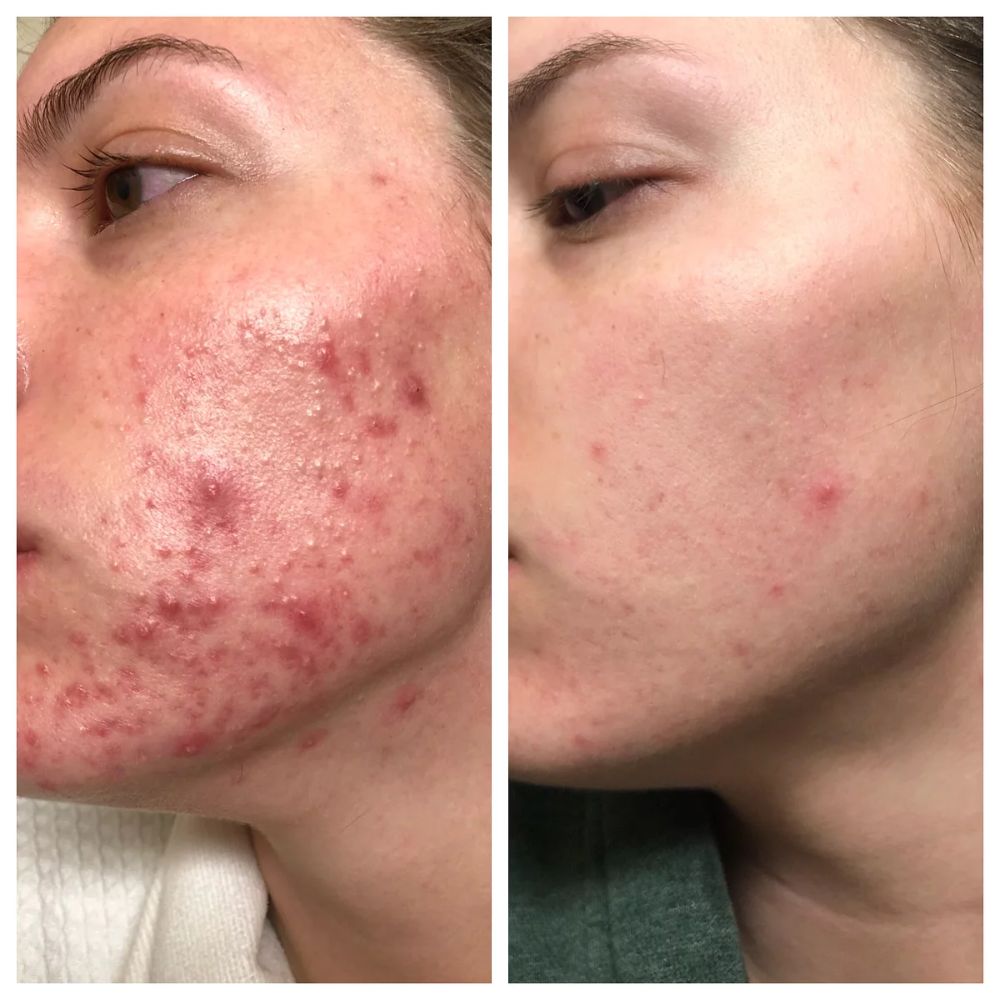
Acne papules are one of the many forms of acne lesions, typically appearing as small, firm, red or flesh-colored bumps on the skin. Unlike pustules, which contain pus, papules are solid and do not have a white or yellow center. They occur when hair follicles become clogged with oil, dead skin cells, and bacteria, resulting in an inflamed pimple or bump.
Causes of Acne Papules
The formation of acne papules is primarily caused by several factors that contribute to the clogging of hair follicles. These include:
- Excess Sebum Production: The skin’s sebaceous (oil) glands produce an excess of sebum, which can mix with dead skin cells and block hair follicles. This creates an environment for bacteria to thrive, leading to inflammation.
- Hormonal Changes: Hormonal fluctuations, especially during puberty, menstruation, pregnancy, or the use of oral contraceptives, can trigger increased sebum production. Hormones like androgens can cause sebaceous glands to enlarge, leading to blockages.
- Bacterial Growth: Propionibacterium acnes, a type of bacteria naturally present on the skin, can become overactive in clogged pores, resulting in an immune response that causes inflammation.
- Dietary Factors: While the link between diet and acne is still debated, some studies suggest that high-glycemic foods (like sugar and refined carbs) and dairy products may contribute to acne flare-ups.
- Stress: High-stress levels can lead to increased production of cortisol, a hormone that can stimulate the sebaceous glands to produce more oil, exacerbating acne.
- Genetics: Family history plays a significant role in the development of acne. If your parents had acne, you may be more likely to experience it as well.
Symptoms of Acne Papules
The most prominent symptom of acne papules is the appearance of small, red, raised bumps on the skin. They can develop on various areas of the face, chest, back, or shoulders. Common characteristics include:
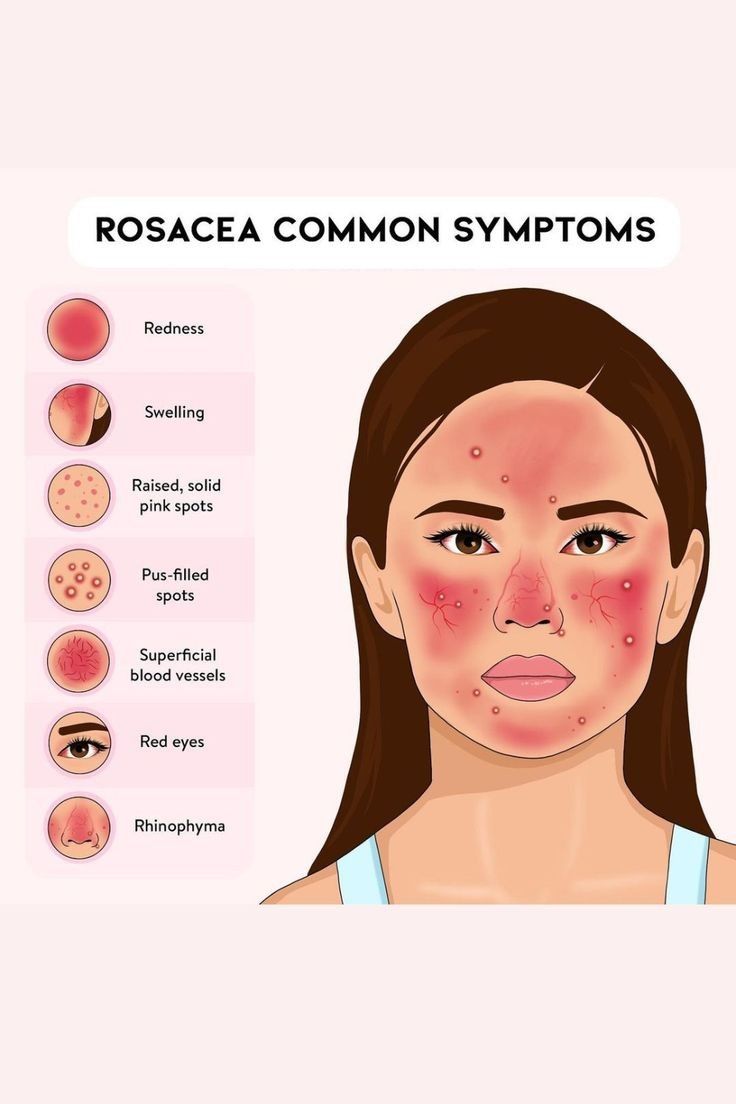
- Redness: Inflammation causes the surrounding skin to become red and irritated.
- Pain or Tenderness: Acne papules can be tender to the touch, making them uncomfortable or painful, especially when touched or squeezed.
- Firm Texture: Unlike pustules, which are soft and filled with pus, papules are firm and solid to the touch.
- No Pus: These lesions do not contain pus like pustules, though they may occasionally rupture and release fluid.
Effective Treatment Solutions for Acne Papules
Treating acne papules involves addressing the underlying causes while reducing inflammation and preventing further breakouts. Here are some effective treatment options:
- Topical Treatments:
- Benzoyl Peroxide: A common over-the-counter treatment, benzoyl peroxide helps reduce bacteria on the skin, preventing acne formation.
- Salicylic Acid: This ingredient helps exfoliate the skin and keep pores clear by removing dead skin cells. It’s especially useful in preventing new papules from forming.
- Retinoids: Topical retinoids like adapalene (Differin) help unclog pores by encouraging skin cell turnover. Retinoids are often considered a cornerstone of acne treatment.
- Sulfur-based Products: Sulfur has anti-inflammatory properties and can help reduce redness and swelling in acne papules.
- Oral Medications:
- Antibiotics: Oral antibiotics such as tetracycline, doxycycline, or minocycline are often prescribed to reduce bacteria and inflammation, especially in moderate to severe acne cases.
- Oral Contraceptives: For women, birth control pills that regulate hormones can be effective in controlling acne flare-ups linked to hormonal changes.
- Isotretinoin (Accutane): For severe acne that does not respond to other treatments, isotretinoin may be considered. This powerful medication significantly reduces sebum production and can help prevent future breakouts.
- Lifestyle Modifications:
- Maintain a Clean Skin Routine: Gently cleanse your face twice daily using a mild, non-comedogenic cleanser. Avoid harsh scrubbing, as it can irritate the skin and worsen inflammation.
- Dietary Adjustments: Reducing the intake of processed sugars and dairy products might help some individuals reduce acne flare-ups. Consider eating a balanced diet rich in fruits, vegetables, and whole grains.
- Manage Stress: Since stress can worsen acne, practicing stress-reducing activities such as yoga, meditation, or exercise can have positive effects on your skin.
- Avoid Touching or Picking at Acne: Picking at acne lesions can cause further irritation and increase the risk of scarring.
- Professional Treatments:
- Chemical Peels: A dermatologist may recommend chemical peels that use acids to exfoliate the skin and remove clogged pores. This treatment can help with acne papules and other forms of acne.
- Laser Therapy: Laser treatments can help reduce the appearance of acne by targeting the sebaceous glands and reducing inflammation.
- Corticosteroid Injections: For particularly painful or large papules, a dermatologist may inject a small amount of corticosteroid to reduce inflammation quickly.
When to Seek Professional Help
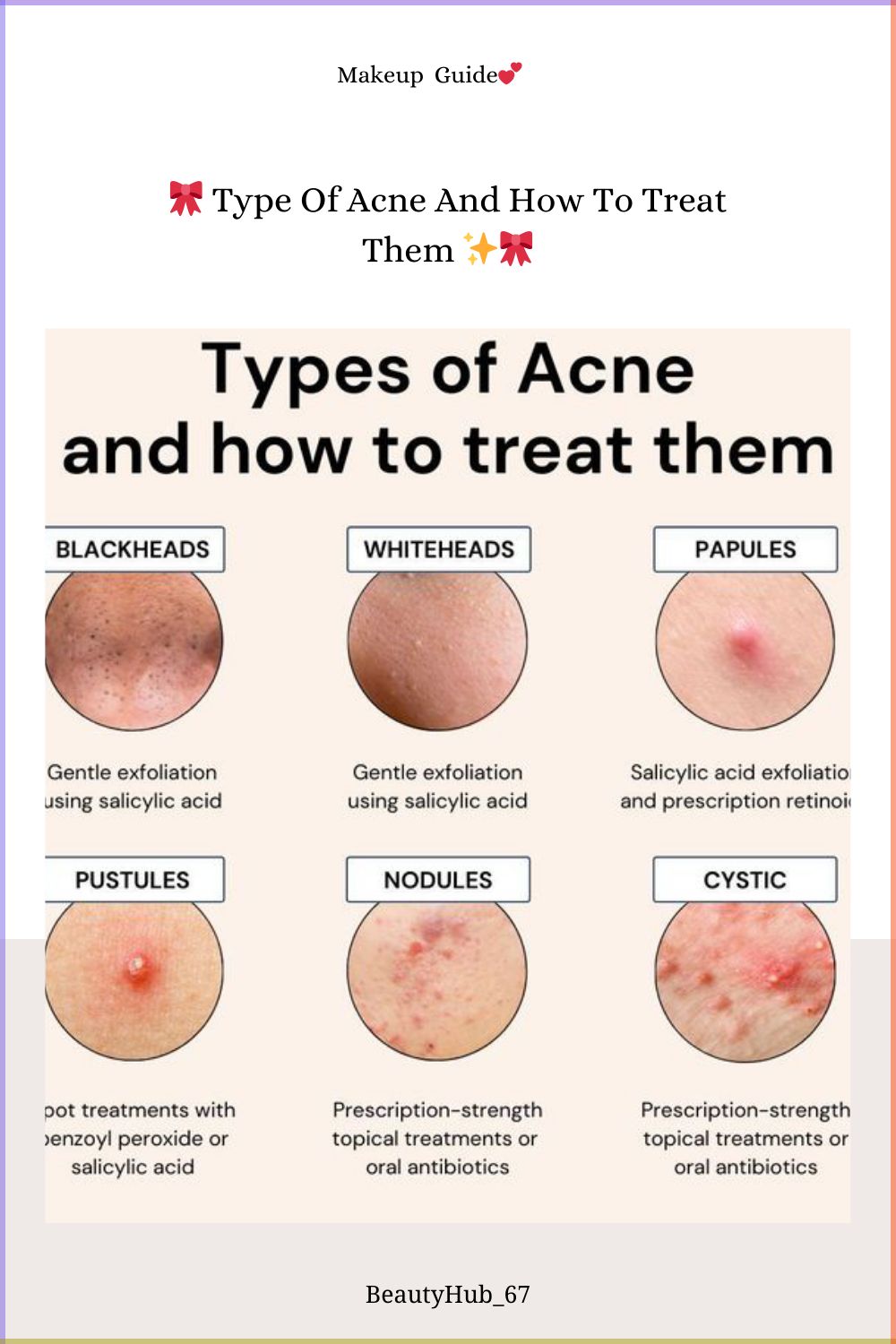
While over-the-counter treatments can be effective for mild cases of acne, more persistent or severe cases of acne papules may require professional intervention. If you experience frequent breakouts, scarring, or your acne does not respond to topical treatments, it’s best to consult a dermatologist. They can evaluate your skin and recommend a treatment plan tailored to your needs.
Conclusion
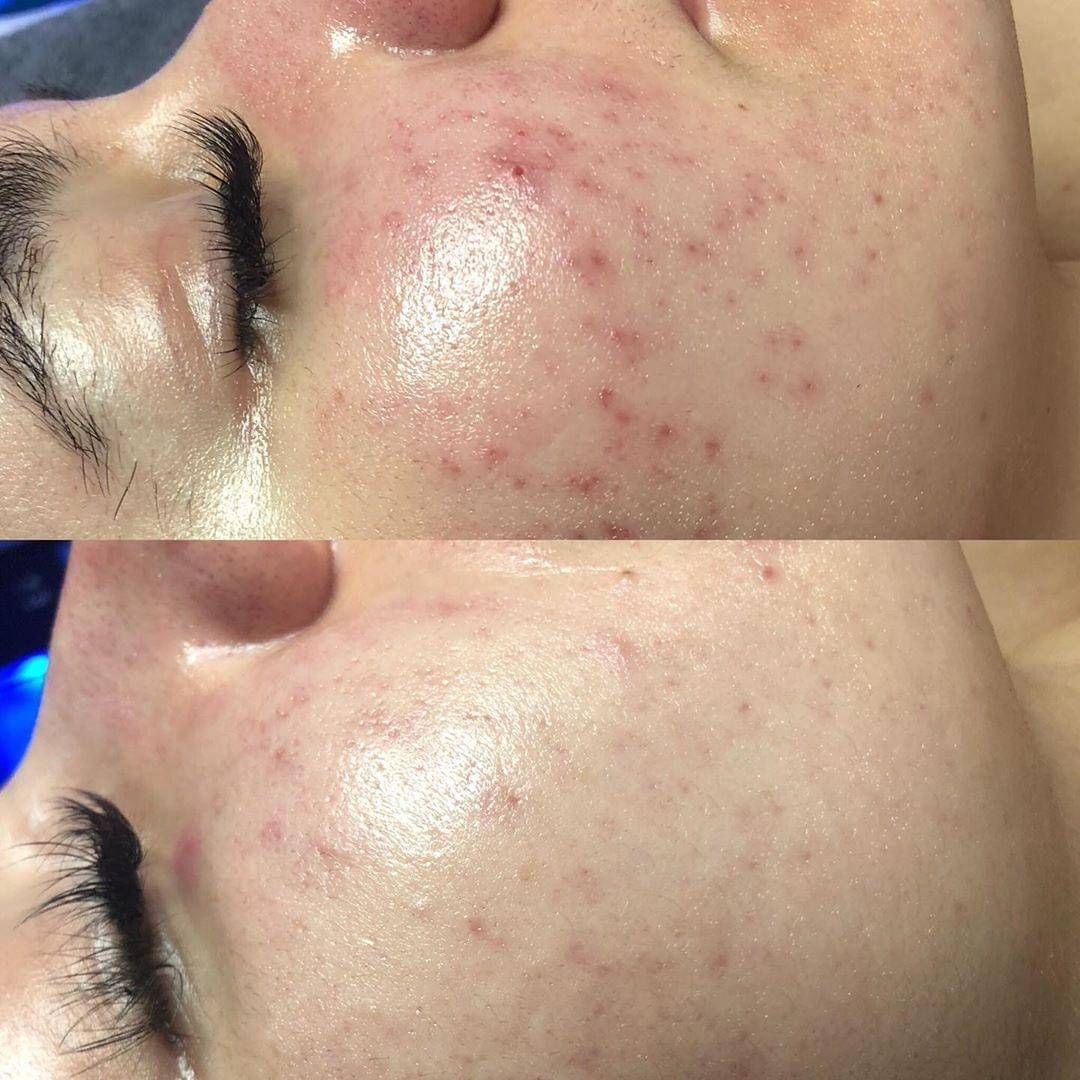
Acne papules, though small, can have a big impact on your skin’s appearance and self-esteem. Understanding the causes, recognizing the symptoms, and exploring various treatment options are essential steps in effectively managing acne. By using a combination of topical treatments, oral medications, and lifestyle modifications, you can keep acne papules under control and promote clearer, healthier skin. Always remember that consistency and patience are key when it comes to acne treatment.