In a twist that feels straight out of a satire sketch itself, Elon Musk has reportedly called in his legal team to explore a defamation lawsuit against Saturday Night Live (SNL) and comedian Mike Myers following a controversial parody aired on the long-running sketch show.
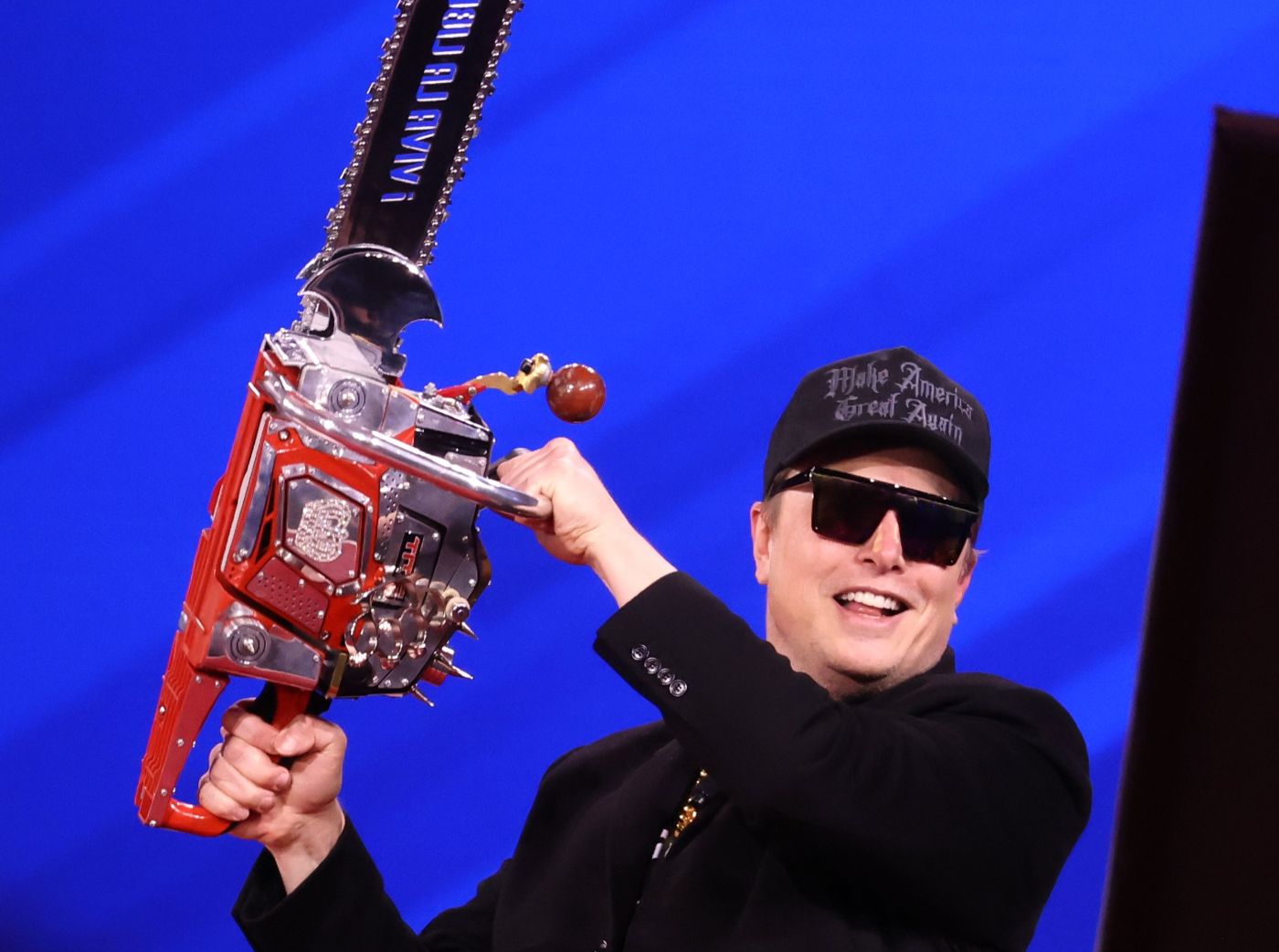
According to sources close to the situation, Musk is alleging that the recent skit crossed a legal and ethical line, portraying him in a manner he claims is “damaging, misleading, and malicious.” While parody has long been protected under U.S. free speech laws, the Tesla and SpaceX CEO appears poised to test the limits of that protection.
The Sketch That Sparked It All
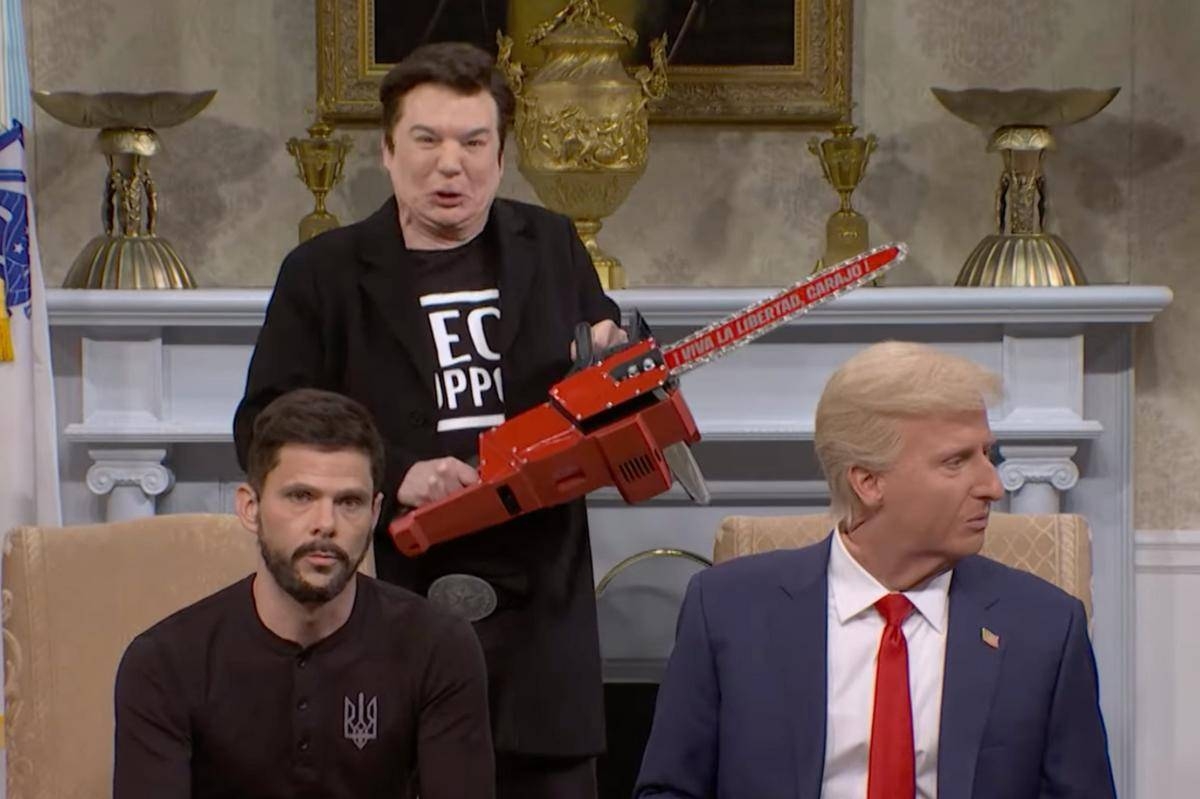
The episode, which aired earlier this month, featured Myers returning to SNL to parody Musk as a bumbling, egotistical tech overlord running a failing robot taxi empire—complete with exaggerated mannerisms, cartoonish arrogance, and fictional scandals involving workplace meltdowns and regulatory bribes.
While many fans dismissed it as typical SNL humor, Musk reportedly viewed the portrayal as a deliberate character assassination, particularly damaging given Tesla’s current struggles in the stock market and intense public scrutiny over his leadership.
In a since-deleted post on X (formerly Twitter), Musk wrote:
Legal Lines and Free Speech
Musk’s team is now said to be reviewing the sketch in detail, exploring whether there are grounds to file for defamation, libel, or character harm. Legal experts say the case would face an uphill battle, as parody and satire—especially of public figures—are generally shielded by the First Amendment.
“Public figures have to meet a very high bar to prove defamation,” says legal analyst Rachel Lyons. “They must show not only that the claims are false, but that they were made with actual malice. SNL has a long history of parodying presidents, CEOs, and celebrities without legal repercussions.”
Still, this is Elon Musk—a man known for bold, unconventional moves and a willingness to confront critics head-on, even in court. Whether the lawsuit is filed or not, the threat alone sends a message: Musk is tired of being the punchline.
Mike Myers Responds
Mike Myers, who has generally stayed out of media drama in recent years, responded in his signature dry humor:

While many online users found the sketch hilarious, others argue that repeated ridicule of high-profile individuals—especially when they’re facing public challenges—can blur the line between satire and smear.
Final Thought
Whether this becomes a courtroom battle or simply a high-profile warning shot, one thing is clear: Elon Musk is not laughing. As the worlds of tech, media, and free speech continue to collide, Musk’s latest move adds another unpredictable chapter to his already turbulent public saga.