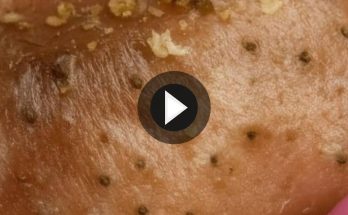
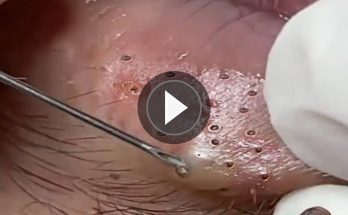
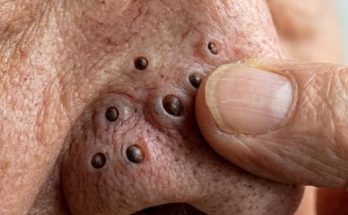
Cysts are common and can develop in different parts of the body, including the skin, ovaries, breasts, and internal organs. While many cysts are harmless and resolve on their own, the idea of dissolving a cyst naturally often raises questions about what is truly safe and effective. Understanding what you can do—and what you should avoid—is essential for protecting your health and preventing complications.
First, it’s important to recognize that not all cysts are the same. Some cysts are fluid-filled and temporary, while others may be solid, infected, or related to underlying medical conditions. Natural approaches may help support the body in certain mild cases, but they are not a guaranteed solution, nor are they a replacement for professional medical care.
One of the safest natural steps you can take is supporting overall body health. Staying well-hydrated helps maintain proper circulation and supports the body’s natural detoxification processes. Drinking enough water may help reduce inflammation and encourage normal tissue function, which can be beneficial when dealing with simple, non-problematic cysts.
Diet also plays a role in overall hormonal and inflammatory balance. Eating a nutrient-rich diet that includes fruits, vegetables, whole grains, lean proteins, and healthy fats may help regulate hormone levels, particularly for cysts influenced by hormonal changes. Reducing highly processed foods, excess sugar, and refined carbohydrates may also help limit inflammation that can aggravate certain cysts.
Warm compresses are another commonly recommended natural method, especially for surface cysts. Applying gentle heat to the area may improve blood flow and help the body reabsorb fluid over time. However, heat should never be applied to cysts that are painful, infected, or rapidly growing without medical guidance.
Stress management is often overlooked but can be beneficial. Chronic stress may contribute to hormonal imbalances and inflammation. Practices such as gentle exercise, meditation, adequate sleep, and breathing techniques support overall wellness and may indirectly help the body manage cyst-related conditions.
Despite these supportive measures, there are clear limits to what natural methods can do. You should never attempt to squeeze, pop, or puncture a cyst at home. Doing so can introduce bacteria, cause infection, lead to scarring, or worsen the condition. Additionally, relying solely on herbal supplements or home remedies without understanding their effects can be risky, especially if they interact with medications or underlying health issues.
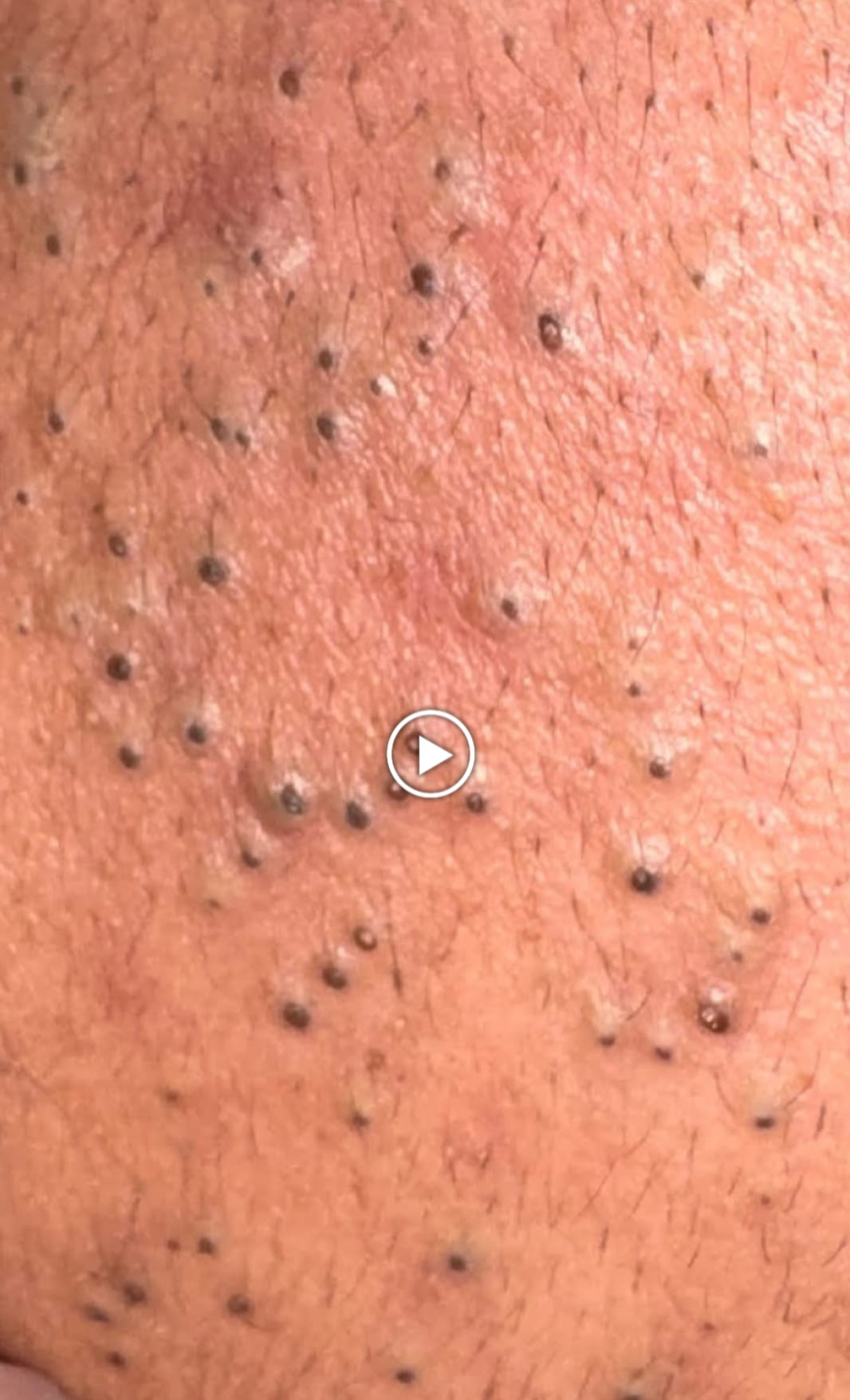
It’s also important to know when natural approaches are not appropriate. Cysts that are painful, rapidly increasing in size, persistent, or accompanied by symptoms such as fever, redness, or unexplained weight loss require medical evaluation. In these cases, professional diagnosis and treatment are essential.
In conclusion, while certain lifestyle and supportive measures may help the body manage mild cysts, natural methods have limitations. The safest approach combines informed self-care with professional medical guidance when needed. Listening to your body and knowing when to seek help is the most natural and effective strategy of all.