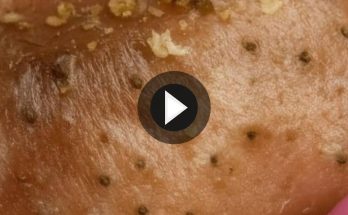
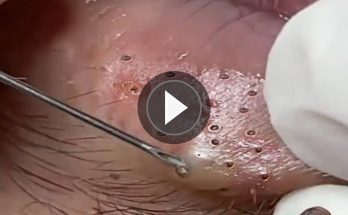
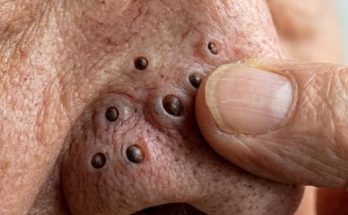
Ingrown hair blackheads are a common skin concern that can affect people of all ages. They occur when a hair curls back or grows sideways into the skin instead of rising up from the follicle. When dead skin cells and oil trap the hair under the surface, it can create a dark bump that looks similar to a blackhead. Understanding the causes, prevention methods, and effective solutions can help maintain healthier, clearer skin.
One of the main causes of ingrown hair blackheads is improper hair removal. Shaving too closely, using dull razors, or shaving against the direction of hair growth can push hairs back into the skin. Waxing and plucking can also break the hair unevenly, increasing the chance that it will grow inward. Tight clothing that rubs against the skin can worsen the problem by causing friction and irritation, especially in areas like the neck, legs, or underarms.
Another contributing factor is the buildup of dead skin cells. When dead skin is not removed regularly, it can clog hair follicles and block hair growth. Curly or coarse hair is also more likely to become ingrown because it naturally bends back toward the skin. Oily skin can further trap dirt and dead cells, making blackhead-like bumps more noticeable.
Prevention plays a key role in managing ingrown hair blackheads. Gentle exfoliation is one of the most effective ways to prevent them. Using a mild scrub or a soft exfoliating cloth helps remove dead skin cells and keeps pores clear. Exfoliating a few times a week can allow hairs to grow outward properly. It is important to be gentle, as harsh scrubbing can irritate the skin and make the problem worse.
Proper shaving habits also make a big difference. Using a clean, sharp razor and shaving in the direction of hair growth can reduce irritation. Applying a moisturizing shaving cream or gel helps soften the hair and protect the skin. Avoid shaving too closely, as leaving a small amount of hair above the skin reduces the risk of it growing inward.
When ingrown hair blackheads do appear, there are safe and effective ways to treat them. Warm compresses can help soften the skin and allow trapped hairs to surface naturally. Applying a clean, warm cloth to the affected area for several minutes can reduce discomfort and inflammation. Keeping the area clean and moisturized supports healing and prevents further blockage.
Using non-comedogenic skincare products is also helpful. These products are designed not to clog pores, which reduces the chance of blackheads forming. Lightweight moisturizers and gentle cleansers help maintain the skin’s natural balance without causing irritation.
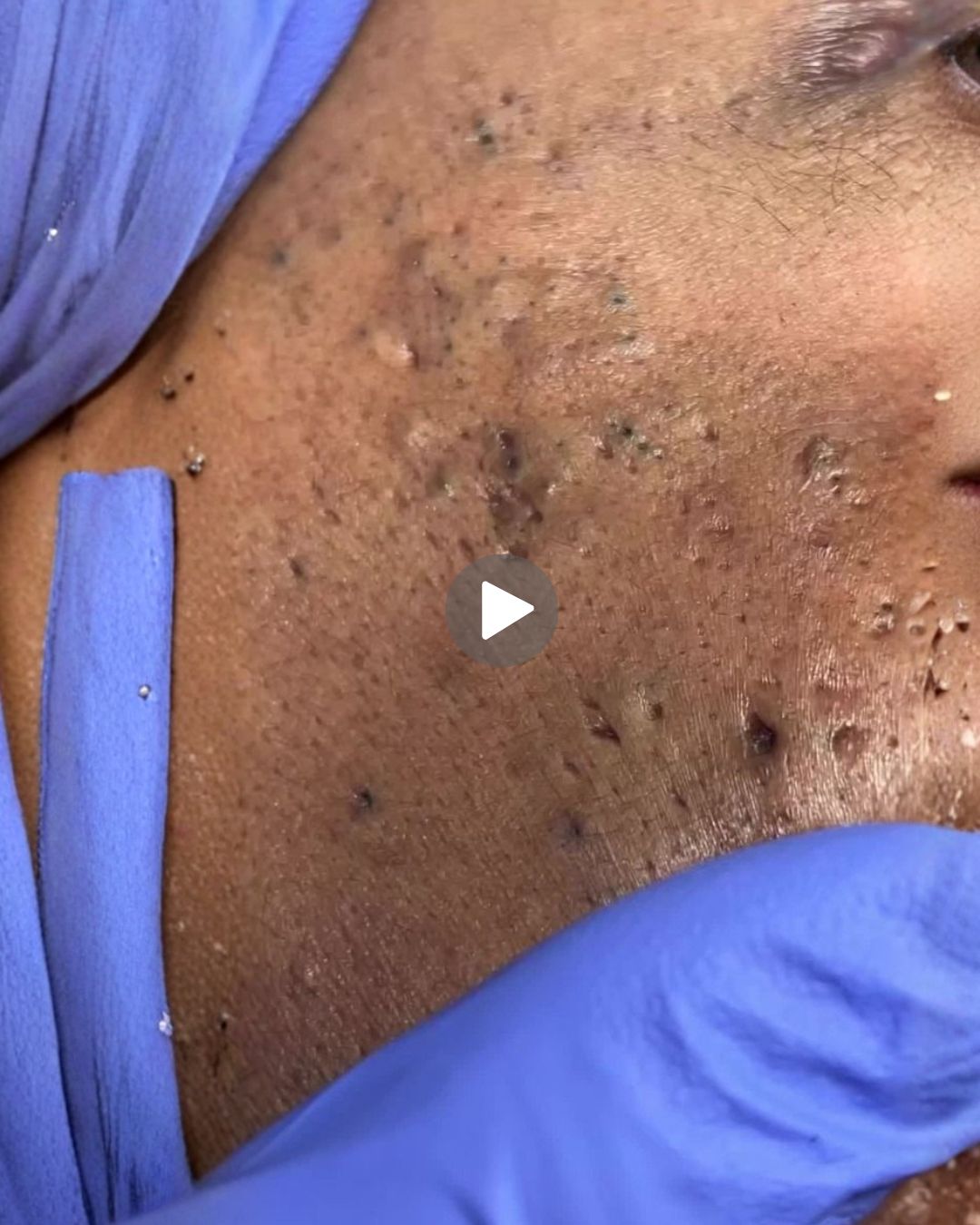
It is important to avoid picking or squeezing ingrown hair blackheads. This can damage the skin, lead to infection, or cause scarring. If the problem becomes persistent or painful, seeking advice from a qualified healthcare or skincare professional is the safest option.
In conclusion, ingrown hair blackheads are manageable with the right care and attention. By understanding their causes, practicing good prevention habits, and using gentle treatment methods, it is possible to reduce their appearance and maintain healthier skin. Consistency, patience, and proper skincare choices are key to achieving long-term results and improving overall skin comfort.