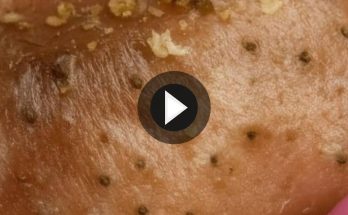
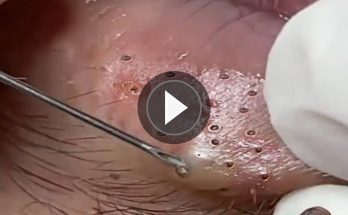
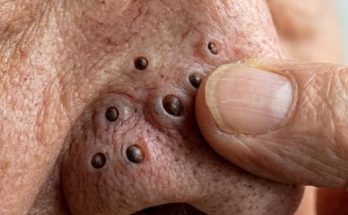
Fungal acne, medically known as Malassezia folliculitis, is a common but often misunderstood skin condition. Despite the name, it isn’t true acne. Instead of being caused by bacteria and clogged pores, fungal acne results from an overgrowth of yeast that naturally lives on the skin. Because it closely resembles traditional acne, many people treat it incorrectly, which can make the condition worse. Understanding its causes, symptoms, and proper treatments is key to achieving clear skin.
What Causes Fungal Acne?
Fungal acne develops when Malassezia yeast multiplies excessively inside hair follicles. Several factors can trigger this overgrowth. Warm, humid climates create an ideal environment for yeast to thrive, which is why fungal acne is more common in hot weather. Excessive sweating, wearing tight or non-breathable clothing, and leaving damp skin unwashed for long periods can also contribute.
Certain skincare and lifestyle habits play a role as well. Heavy, oily products and ingredients like fatty acids can feed yeast, encouraging its growth. Long-term use of antibiotics may also increase the risk, as antibiotics reduce bacteria that normally keep yeast levels balanced on the skin.
Common Symptoms to Watch For
Fungal acne usually appears as small, uniform bumps that may be red or skin-colored. Unlike regular acne, these bumps tend to look very similar to each other and often come with persistent itching. They commonly appear on the forehead, hairline, chest, back, and shoulders—areas where sweat and oil accumulate.
Another distinguishing feature is resistance to traditional acne treatments. If products containing benzoyl peroxide or salicylic acid haven’t improved your breakouts, fungal acne may be the underlying cause.
Best Treatment Options
Treating fungal acne requires antifungal ingredients rather than standard acne solutions. Over-the-counter products containing ketoconazole, selenium sulfide, zinc pyrithione, or sulfur are commonly used. Medicated antifungal shampoos are often applied to affected skin areas for a few minutes before rinsing, even when breakouts appear on the face or body.
In more persistent cases, a dermatologist may prescribe oral or topical antifungal medications. At the same time, switching to lightweight, non-comedogenic, and yeast-safe skincare products is essential to prevent recurrence.
How to Prevent Fungal Acne
Prevention focuses on reducing the conditions that allow yeast to thrive. Showering soon after sweating, changing out of tight workout clothes, and keeping skin clean and dry can significantly lower the risk. Opt for breathable fabrics like cotton and avoid overly occlusive skincare products, especially in hot or humid environments.
Maintaining a balanced skincare routine and avoiding unnecessary antibiotic use can also help keep the skin’s microbiome in check.
Final Thoughts
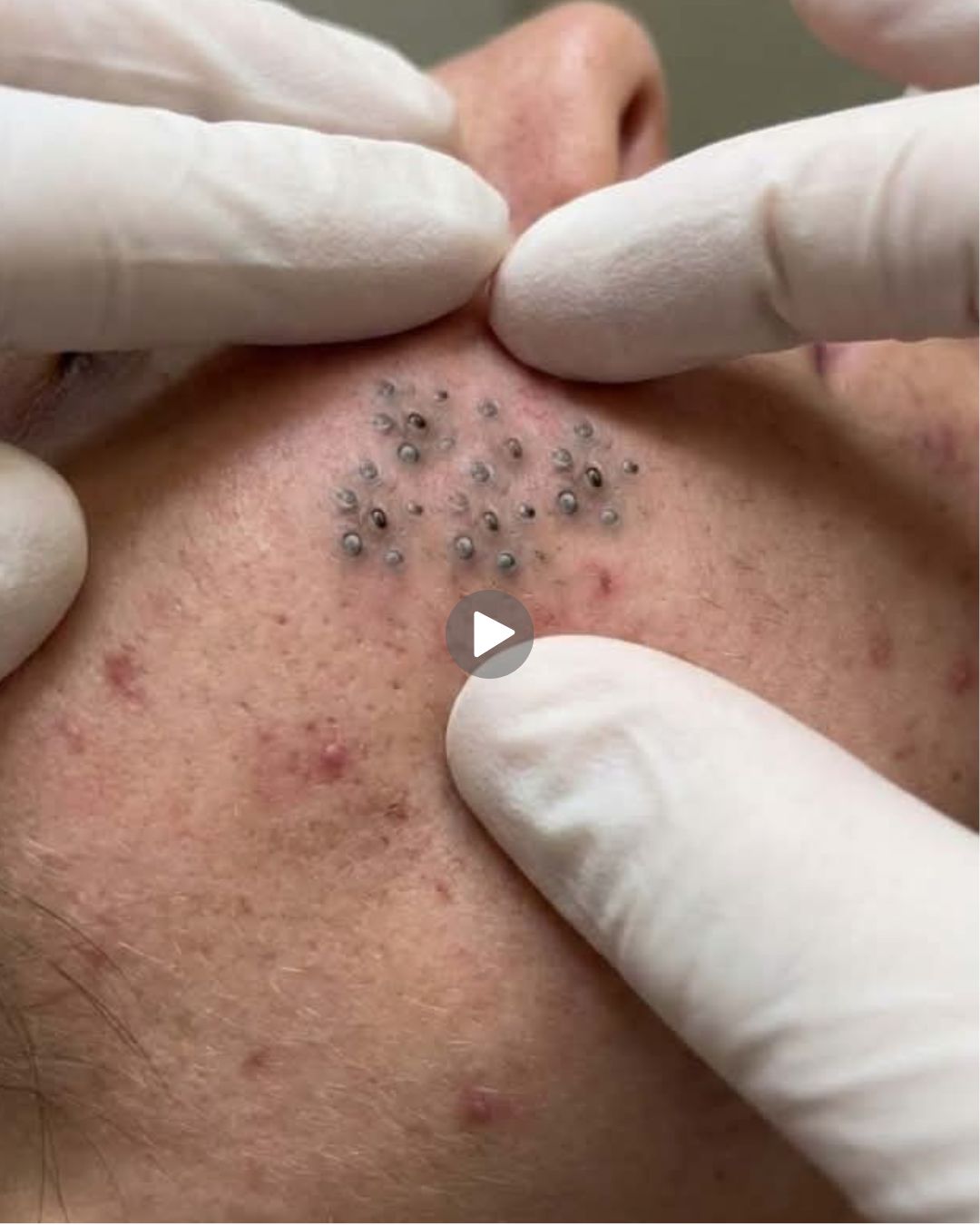
Fungal acne can be frustrating, especially when it doesn’t respond to typical acne treatments. However, with the right diagnosis, antifungal care, and preventive habits, it is highly manageable. Learning to recognize the signs early can save time, money, and unnecessary irritation—leading to healthier, clearer skin in the long run.