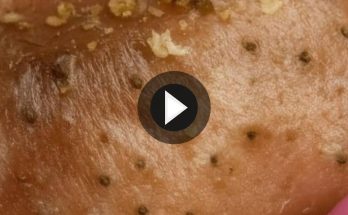
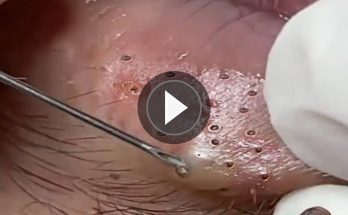
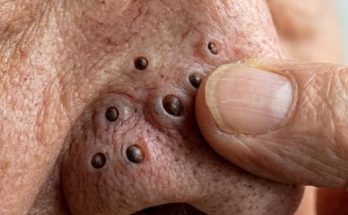
Ingrown nose hair is a painful and often overlooked condition that occurs when a hair grows back into the skin inside or around the nostrils instead of outward. Although it may seem minor, an ingrown hair in the nose can cause significant discomfort and, if ignored, may lead to infection. Understanding the causes, symptoms, and proper care can help prevent complications and promote faster healing.
What Causes Ingrown Nose Hair?
The most common cause of ingrown nose hair is improper hair removal. Plucking or waxing nose hair can damage the hair follicle, causing the hair to grow sideways or curl back into the skin. Trimming nose hair too short with blunt or dirty tools can also increase the risk.
Poor hygiene, frequent nose touching, and excessive nose blowing may introduce bacteria into the follicles, leading to inflammation. People with thick or curly hair are more prone to ingrown hairs, as the hair naturally tends to bend back toward the skin. Dry nasal passages and minor skin injuries inside the nostrils can further increase the likelihood of ingrown hair formation.
Common Symptoms to Recognize
Ingrown nose hair typically starts as a small, tender bump inside or just at the edge of the nostril. The area may become red, swollen, and painful to the touch. In some cases, pus formation or a white head may appear, indicating a localized infection.
Other symptoms include itching, burning, and sensitivity when breathing or moving the nose. If the infection worsens, it may cause fever, spreading redness, or increasing pain—signs that require medical attention. Because the nose is rich in blood vessels, infections in this area should not be ignored.
Safe Treatment Options
Mild cases of ingrown nose hair often heal on their own with proper care. Applying a warm compress several times a day can help reduce swelling, improve circulation, and encourage the hair to grow outward naturally. Keeping the area clean and avoiding further hair removal is essential during healing.
Topical antibiotic or antiseptic ointments may help prevent infection if the skin is broken. In cases where pus or severe pain is present, a healthcare professional may prescribe antibiotic medication or safely remove the ingrown hair using sterile instruments. Self-picking or squeezing should always be avoided, as it can push bacteria deeper into the skin and worsen the infection.
How to Prevent Ingrown Nose Hair
Prevention starts with proper grooming habits. Instead of plucking or waxing, use clean, rounded-tip scissors or a nose hair trimmer to trim hair just enough to keep it neat without cutting too close to the skin. Avoid sharing grooming tools and always sanitize them before use.
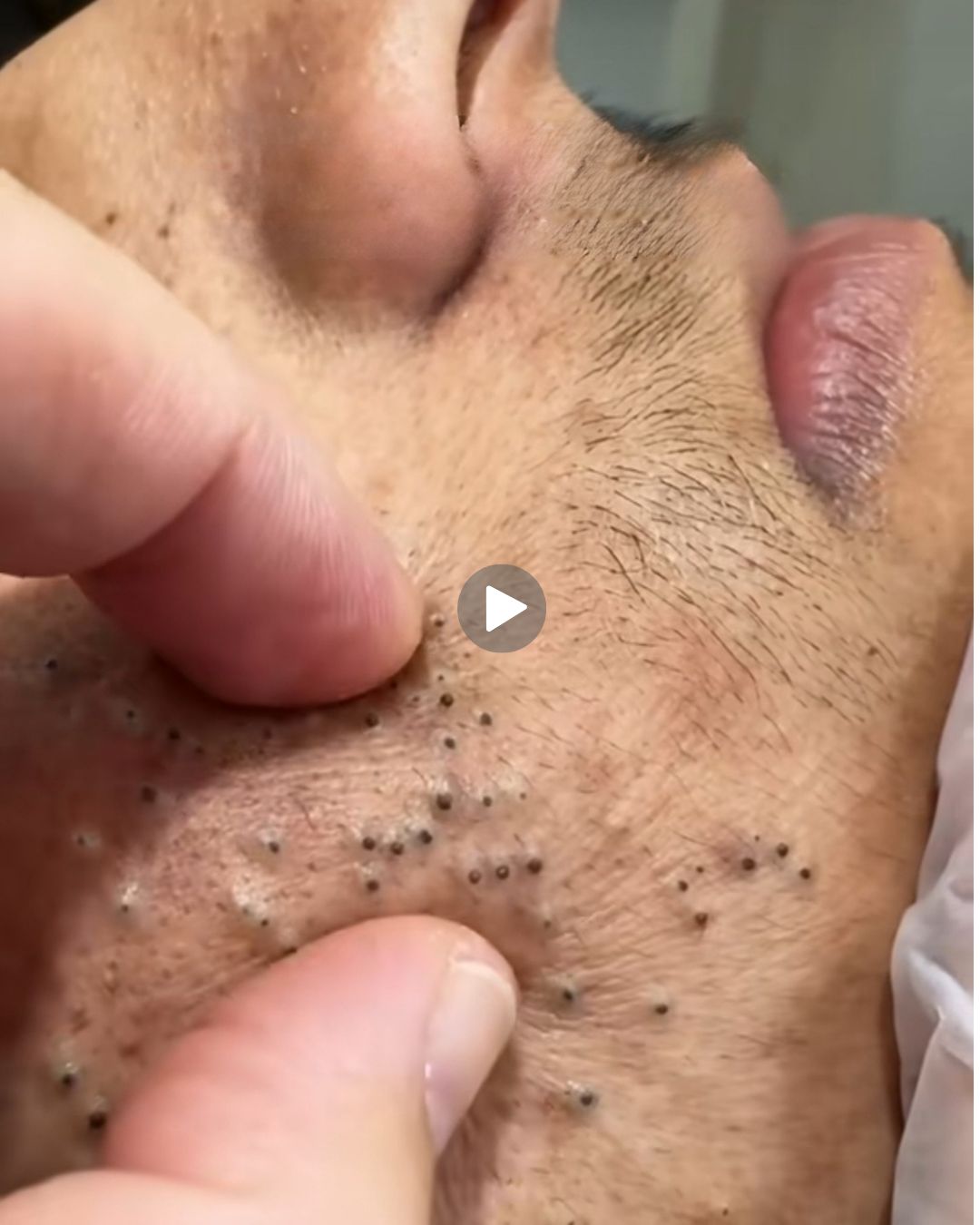
Maintaining good nasal hygiene can also help. Gently cleansing the nostrils and keeping the nasal passages moisturized with saline sprays reduces dryness and irritation. Limiting excessive touching or picking of the nose further lowers the risk of infection.
Final Thoughts
Ingrown nose hair may seem like a small issue, but it can cause discomfort and lead to complications if ignored. With proper grooming techniques, good hygiene, and early treatment, most cases can be resolved quickly and safely. Paying attention to nasal health is an important but often forgotten part of overall self-care.