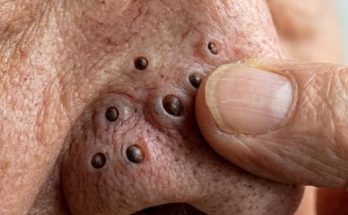
A cyst behind the ear is a common skin condition that usually appears as a small, soft, or firm lump beneath the skin. While most cysts are harmless and painless, they can sometimes become inflamed or infected, causing discomfort and concern. Understanding why these cysts form, how to recognize symptoms, and what treatment options are available can help you manage the condition safely and effectively.
Common Causes of a Cyst Behind the Ear
Cysts typically develop when skin cells, oil, or keratin become trapped under the skin. One of the most common types found behind the ear is an epidermoid or sebaceous cyst. These form when a hair follicle or oil gland becomes blocked due to excess oil production, dead skin buildup, or minor skin trauma.
Poor hygiene, frequent touching of the area, and irritation from eyeglasses, headphones, or face masks can increase the risk of cyst formation. Hormonal changes, acne-prone skin, and a history of skin infections may also contribute. In some cases, cysts may develop due to congenital factors or damaged sweat glands.
Symptoms to Look Out For
A cyst behind the ear often appears as a slow-growing, round lump beneath the skin. It may feel smooth, movable, and rubbery to the touch. Many cysts are painless at first, but symptoms can change if infection occurs.
Signs of an infected cyst include redness, swelling, warmth, and tenderness in the area. The cyst may grow rapidly, become hard, or begin to drain thick, yellow or foul-smelling fluid. In severe cases, fever or spreading pain may occur, signaling the need for medical attention.
Treatment Options for Ear Cysts
Small, painless cysts often do not require treatment and can be safely monitored. Applying warm compresses can help reduce discomfort and encourage natural drainage if the cyst becomes irritated. However, squeezing or puncturing a cyst at home should be avoided, as this can lead to infection and scarring.
If the cyst becomes painful, inflamed, or recurrent, a healthcare professional may recommend medical treatment. This can include antibiotics for infection, steroid injections to reduce inflammation, or minor surgical removal to prevent recurrence. Surgical excision is usually quick and performed under local anesthesia.
How to Prevent Cysts from Forming
While not all cysts can be prevented, good skincare and hygiene habits can reduce the risk. Keep the area behind the ears clean and dry, especially after sweating. Avoid excessive touching or scratching, and clean items like glasses, earbuds, and headphones regularly.
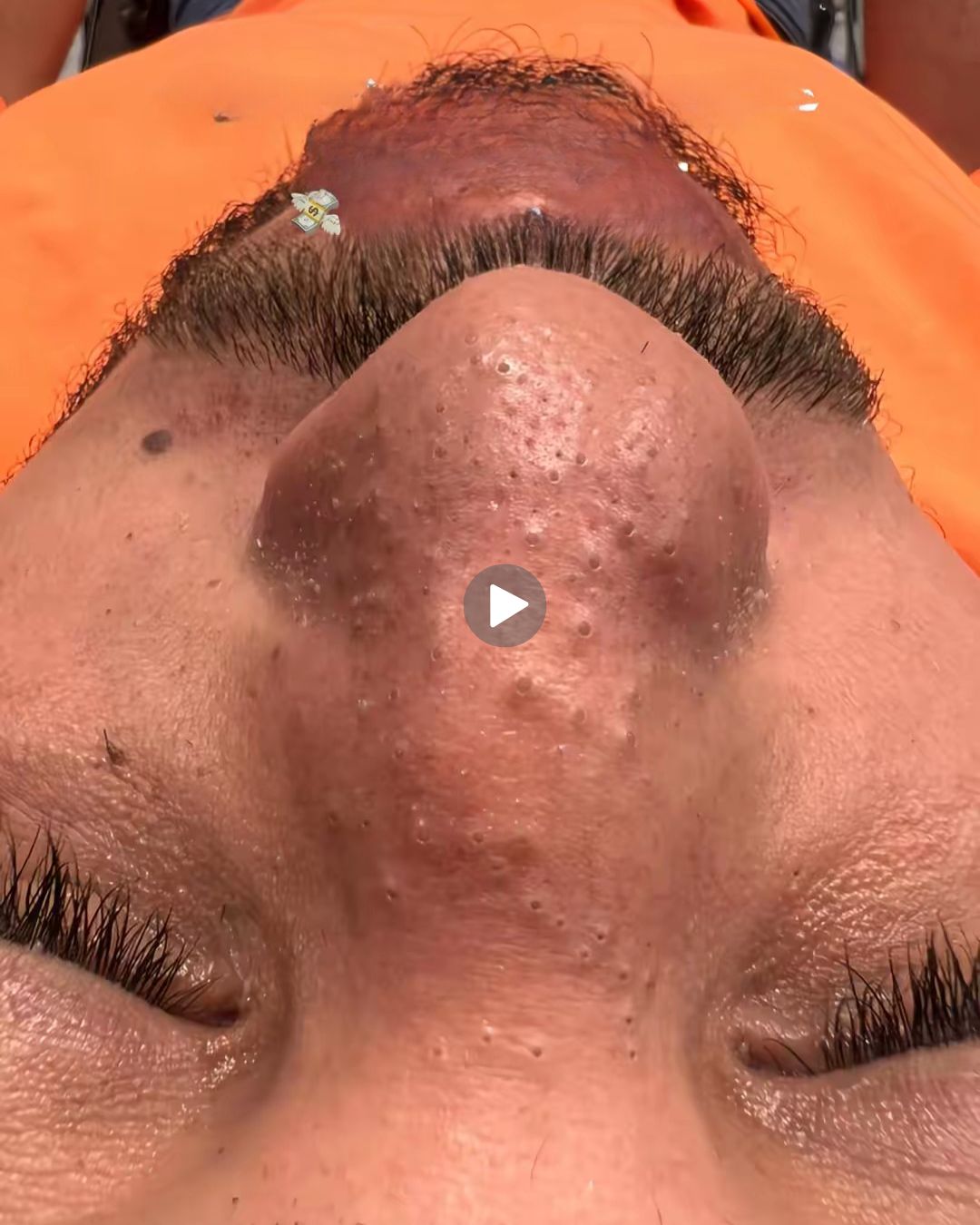
Using gentle, non-comedogenic skincare products can help prevent blocked pores. If you have acne-prone skin, managing breakouts early may reduce the likelihood of cyst development. Seeking medical advice for recurring cysts is also important, as underlying conditions may need to be addressed.
Final Thoughts
A cyst behind the ear is usually harmless but should not be ignored if it becomes painful or shows signs of infection. Early recognition, proper care, and professional treatment when needed can prevent complications and promote faster healing. With the right approach, most ear cysts can be managed safely and effectively.