Chapter 1: Why More Families Are Choosing Cremation
For generations, traditional burial was the most common choice in many communities. Today, however, cremation has become increasingly popular around the world. While personal beliefs, culture, and religion continue to shape end-of-life decisions, many families choose cremation for practical reasons.
One of the biggest factors is cost. In many places, cremation is generally less expensive than a traditional burial because it may not require embalming, a burial vault, a cemetery plot, or a large headstone. This can reduce the financial burden on loved ones during an already difficult time.
Flexibility is another reason. Cremation allows families more time to plan a memorial service. Instead of arranging everything within a few days, they can gather relatives from different locations and hold a celebration of life at a time that works best for everyone.
It’s important to note that the exact cost and options vary depending on location, funeral provider, and the family’s preferences.
Chapter 2: Personal, Environmental, and Family Considerations
Many people appreciate the flexibility that cremation offers when it comes to honoring a loved one’s memory.
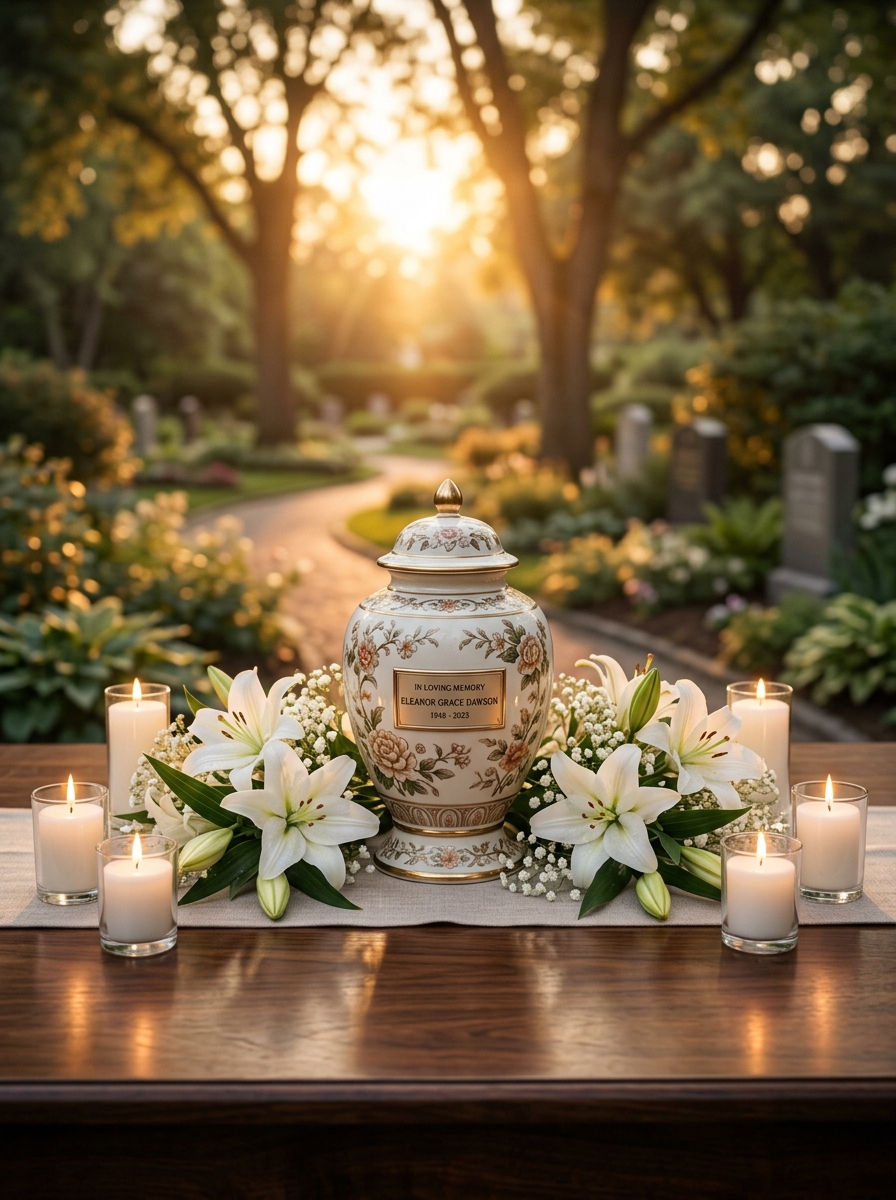
Some families choose to keep the ashes in an urn at home, while others place them in a columbarium, bury them in a cemetery, or scatter them in a location where it is legally permitted. Laws regarding the scattering of ashes vary by country, state, and local jurisdiction, so it’s important to check local regulations first.
For families who live far apart, cremation can also make it easier to transport remains if they wish to hold a memorial in another city or country.
Some people also consider environmental factors. Depending on the burial method and local practices, cremation may reduce the need for land used as cemetery space. However, cremation also requires energy and produces emissions, so neither cremation nor burial is universally considered the more environmentally friendly option. Alternatives such as natural or “green” burials may also be available in some areas.
Chapter 3: Choosing What Feels Right for Your Family
There is no single “right” choice between cremation and burial. The best decision depends on personal values, cultural traditions, religious beliefs, family wishes, financial considerations, and local laws.
Before making arrangements, many experts recommend discussing end-of-life preferences with family members in advance. Having these conversations can reduce uncertainty and help ensure that a person’s wishes are respected.
When planning ahead, it can also be helpful to compare funeral providers, understand all available options, and ask for a clear breakdown of costs and services.
Ultimately, whether someone chooses cremation, traditional burial, or another option, the most important goal is to honor their life in a way that reflects their values and provides comfort to the people they leave behind.
Every family’s journey is unique, and thoughtful planning can make a difficult time a little easier.