In a surprising and bold announcement that’s sent shockwaves through the automotive world, Toyota CEO Koji Sato declared that the company’s latest hydrogen-powered vehicle could completely reshape the future of the electric vehicle (EV) industry — and even replace Tesla’s dominance in the sector.
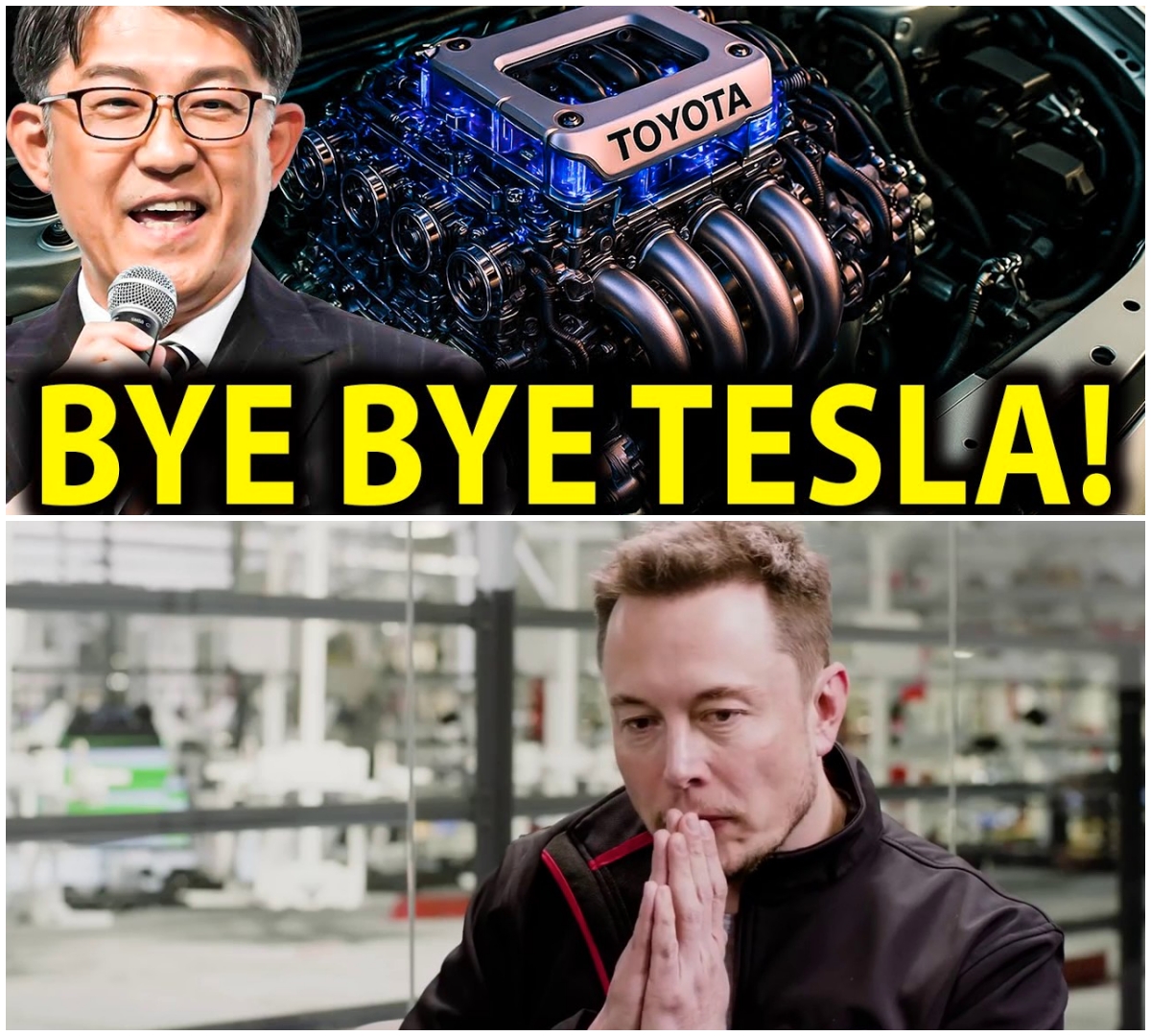
Speaking at a recent press event in Tokyo, Sato introduced Toyota’s next-generation hydrogen fuel cell vehicle, emphasizing the technology’s potential to revolutionize clean transportation. “This isn’t just another car,” he stated. “It’s a statement about the future. Hydrogen is the key to long-term sustainable mobility, and we believe it will outpace battery-electric vehicles in performance, range, and environmental impact.”
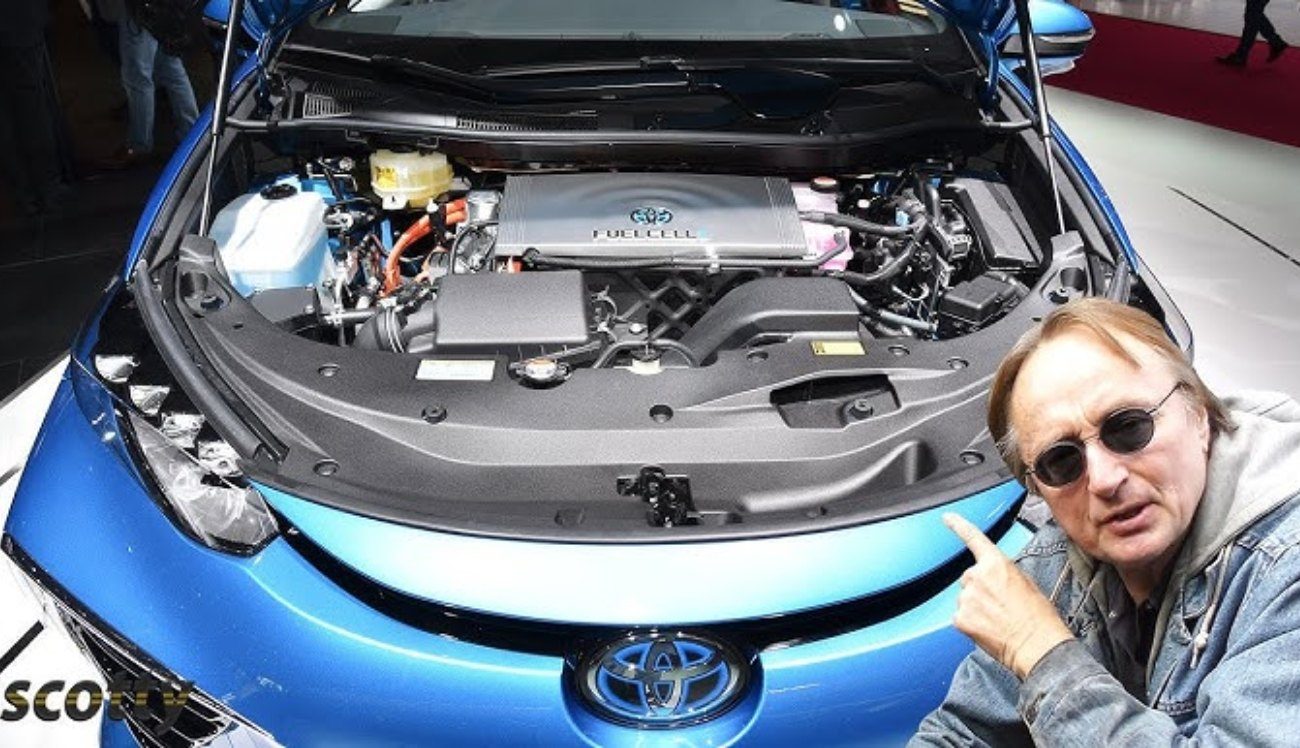
Toyota’s commitment to hydrogen isn’t new — the company has been developing fuel cell technology for over two decades, with models like the Mirai serving as early proof of concept. However, the latest generation appears to mark a turning point, boasting significant advancements in efficiency, refueling time, and infrastructure compatibility.
Unlike battery-electric vehicles (BEVs), hydrogen fuel cell vehicles (FCEVs) generate electricity through a chemical reaction between hydrogen and oxygen, emitting only water vapor as a byproduct. According to Toyota, the new hydrogen car can refuel in under five minutes and offer a range of over 500 miles, addressing two of the biggest concerns associated with EVs: charging time and range anxiety.
Sato didn’t shy away from directly addressing Tesla’s role in the current EV market. “Tesla has done an incredible job pushing the world toward electrification,” he acknowledged. “But battery technology has limits. Our hydrogen vehicles don’t just match those limits — we surpass them.”
Industry experts are divided on whether hydrogen can truly dethrone battery-powered vehicles, especially considering Tesla’s strong brand, infrastructure, and market lead. While hydrogen has advantages in refueling speed and energy density, critics point out the lack of widespread refueling stations and the current costs of hydrogen production.
Nonetheless, Toyota is taking steps to tackle these challenges head-on. The company announced partnerships with energy firms to expand hydrogen infrastructure globally, including plans to develop green hydrogen produced from renewable energy sources. Toyota is also investing heavily in lowering the cost of hydrogen fuel cells to make the technology more accessible.
While it remains to be seen whether hydrogen vehicles will fully replace BEVs, Toyota’s move represents a significant shift in the conversation about the future of clean transportation. The automotive landscape is clearly entering a new era, one where multiple zero-emission technologies could coexist — or compete head-to-head for dominance.
As the race for sustainable innovation accelerates, one thing is clear: Toyota isn’t just participating — it’s aiming to lead.