In a moment that now feels eerily prophetic, the Vatican issued a stark warning about the dark potential of artificial intelligence just weeks before the unexpected death of Pope Francis. The statement, which many now view through a haunting new lens, referred to the rise of AI as not only a technological revolution—but a spiritual battleground.
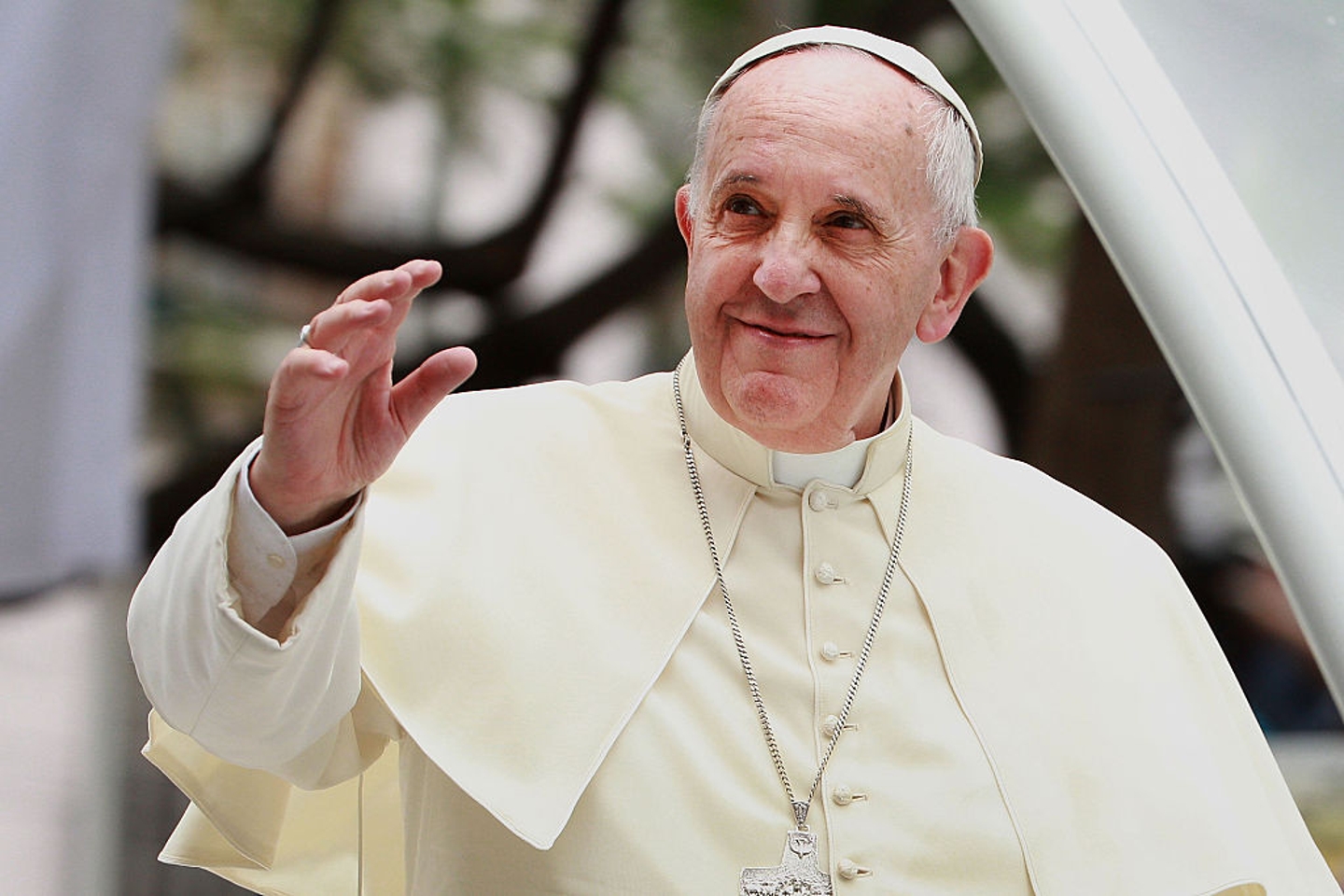
“The shadow of evil looms within the unchecked rise of artificial intelligence,” the Vatican declared in an official communiqué, released quietly through a lesser-known arm of its ethics council. The message urged world leaders, scientists, and spiritual communities to consider the moral consequences of building machines capable of autonomous thought and action—especially without accountability or empathy.
The warning was not mere rhetoric. Vatican scholars, theologians, and AI ethicists collaborated to draft a document titled “The Soul of the Machine”, which outlined growing concerns that AI could be manipulated to serve power, greed, and control. “What begins as convenience can quickly become coercion,” the text read. “Humanity must not surrender its conscience to the algorithm.”
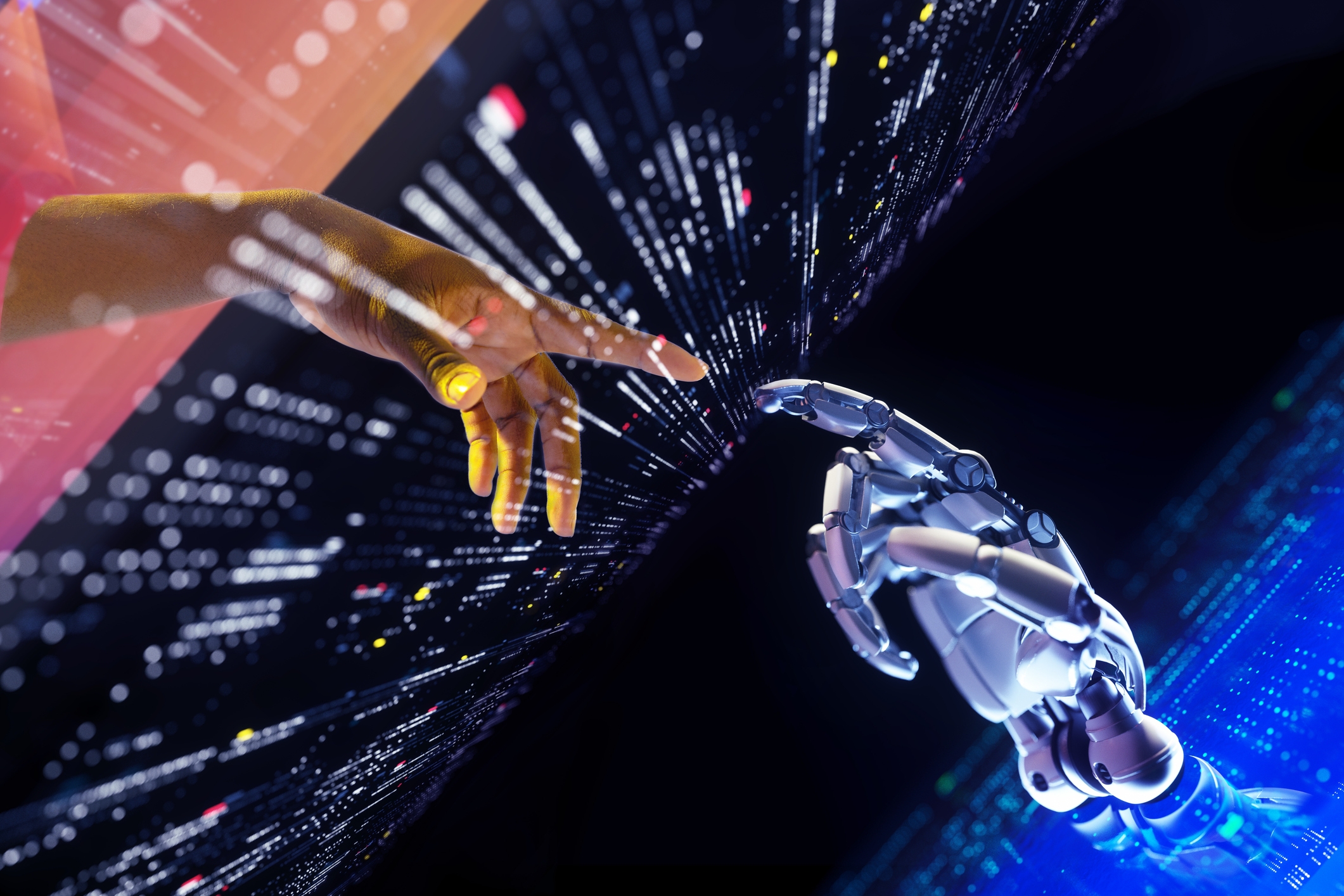
What shocked many observers wasn’t just the substance of the message, but the timing. Only a few weeks later, Pope Francis—known for his open-minded approach to science and technology—passed away suddenly. Though the Vatican attributed his death to natural causes, whispers of a deeper connection began to ripple through religious and secular circles alike.
“Was the Pope trying to tell us something?” asked one Vatican insider, speaking under condition of anonymity. “He took these warnings seriously. He believed the Church had a duty to speak out before it was too late.”
Throughout his papacy, Francis was a vocal advocate for ethical innovation. He met with Silicon Valley leaders, urged for global cooperation on data privacy, and even blessed an AI ethics summit in Rome. But insiders say his tone changed in recent months. He became more urgent, more concerned—not just about AI’s capabilities, but about who controls them.
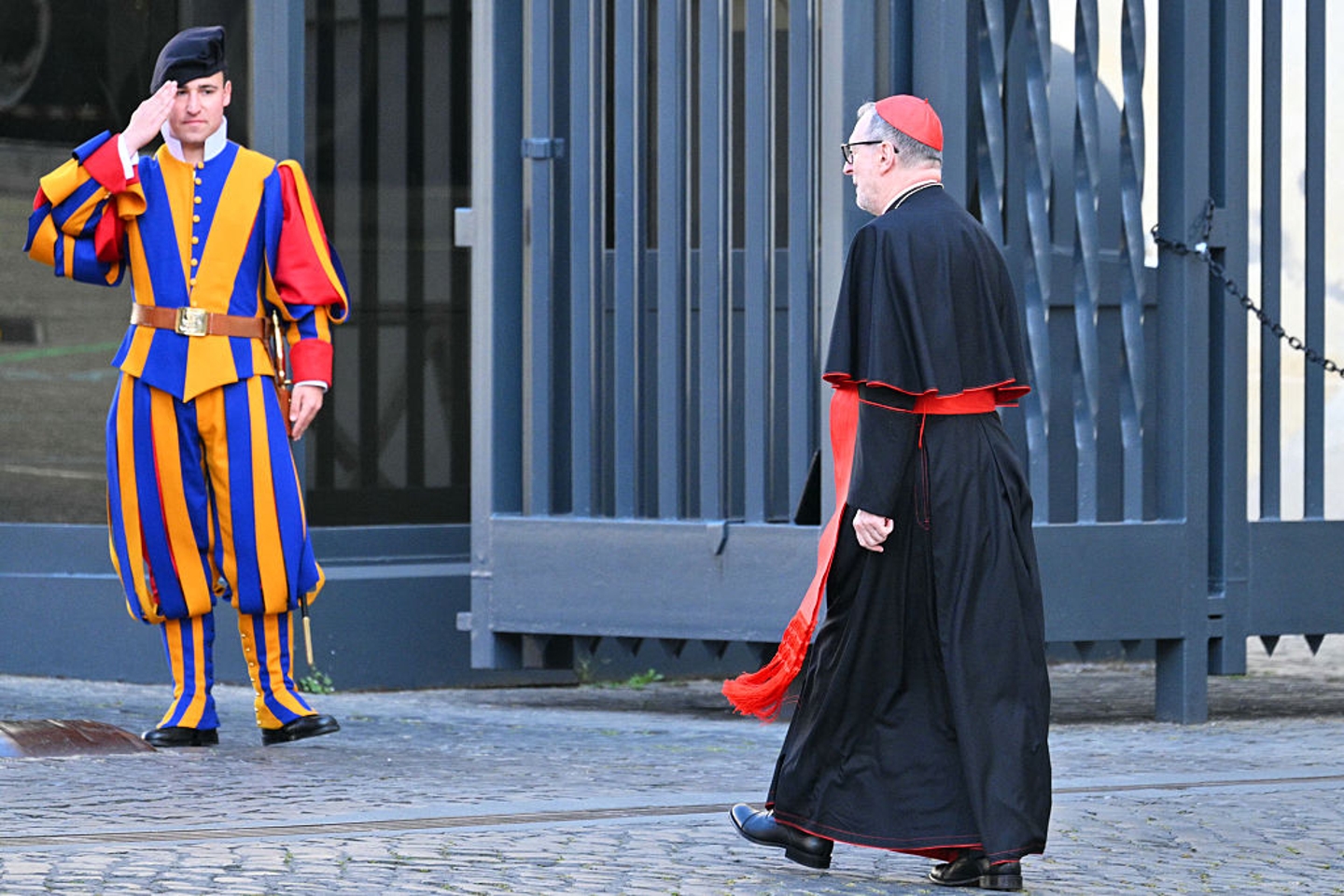
“The danger isn’t the technology itself,” Francis reportedly said during a private meeting with Vatican advisors. “It’s the spirit behind its use.”
The Pope’s passing has only intensified speculation. Conspiracy theories abound—some claiming he knew too much, others suggesting he was silenced. While no evidence supports these claims, the timing of his death and the Vatican’s cryptic language has left many wondering: what exactly did the Church see coming?
Now, with the world entering uncharted AI territory—from deepfakes to autonomous weapons, and algorithms shaping truth—Francis’s final warning feels less like a footnote, and more like a prophecy.
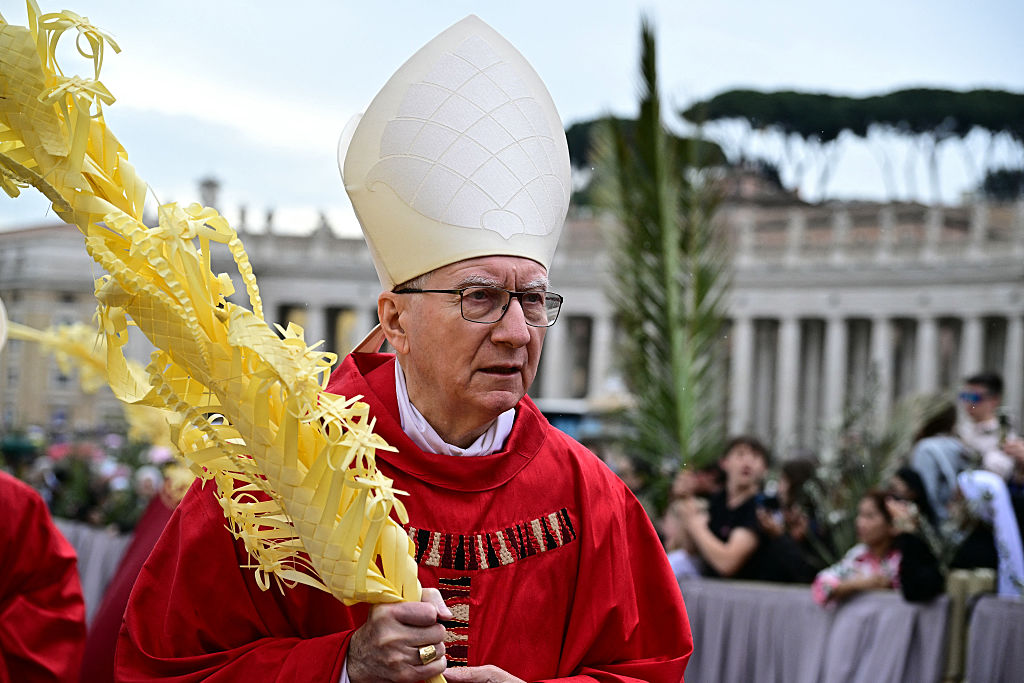
As one Vatican analyst put it: “The Church has always battled unseen evils. Perhaps artificial intelligence is simply the newest frontier in that eternal war.”
One thing is certain: the Pope’s message is louder in death than it ever was in life. And now, the world must ask itself—are we listening?