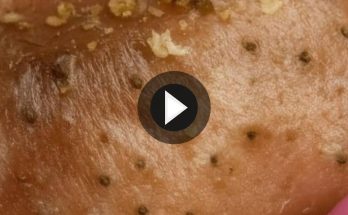
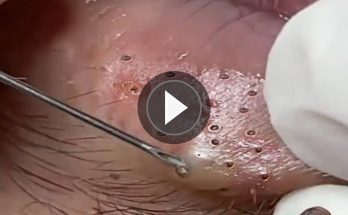
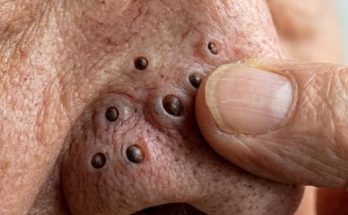
Severe skin infections, such as large abscesses with multiple pockets and sinus tracts, require careful and professional treatment. While dramatic extractions — like the “double wide, double pop” type often featured in clinical videos — can be compelling to watch, they highlight the importance of proper medical care when dealing with deep, complex infections.
An abscess is a collection of pus caused by a bacterial infection. In large or long-standing cases, the infection may form multiple pockets of purulence (pus) and create sinus tracts — tunnels under the skin that connect abscesses or drain fluid to the surface. These can be painful, swollen, and resistant to healing without intervention.
Treatment begins with a thorough incision and drainage (I&D) procedure. A clinician makes an opening in the skin to release built-up pus, relieve pressure, and reduce inflammation. In complex abscesses, multiple incisions may be needed to reach all pockets. The sinus tracts must also be carefully explored, expressed, and sometimes debrided (cleaned of dead tissue) to promote full healing.
After drainage, the area may be packed with sterile gauze to keep it open and allow continued drainage. Antibiotics may be prescribed, especially if there is surrounding cellulitis, fever, or systemic infection. Proper wound care and follow-up are essential to prevent recurrence.
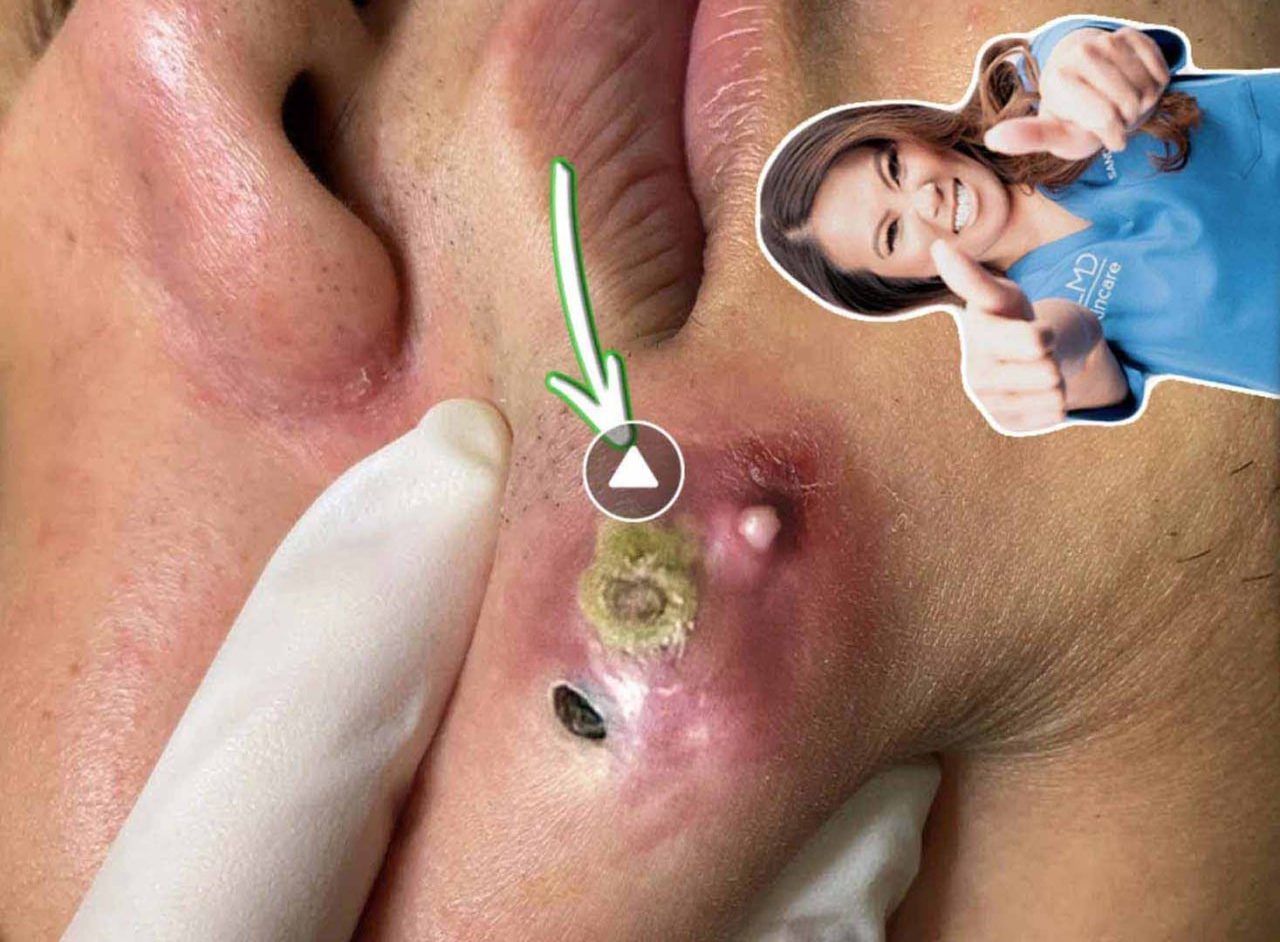
Attempting to pop or drain large abscesses at home is dangerous and can lead to serious complications, including deeper infection or scarring. Always seek care from a licensed medical professional.
Though dramatic in appearance, complex abscess drainage is a key step in healing — bringing pain relief, reducing infection, and restoring healthy skin.