Raised beds are one of the simplest and most effective ways to grow food at home. They warm up faster in spring, drain better than in-ground soil, and let you control exactly what your plants are growing in.
Start With Placement, Not Plants Choose a spot that gets at least 6–8 hours of direct sunlight. Most food crops fail because of insufficient light, not poor soil. Keep beds close to a water source and near where you already spend time so they’re easy to maintain.
Size Beds for Reach, Not Looks The ideal width is 3–4 feet so you can reach the center from either side without stepping into the soil. Length is flexible. Height should be at least 8–12 inches for most vegetables, deeper if you plan to grow root crops like carrots or potatoes.
Use the Right Soil Mix Don’t fill raised beds with native ground soil alone. Use a loose, fertile mix that drains well. A reliable formula is:
Compost for nutrients Topsoil or garden soil for structure A light material like aged bark fines or leaf mold for airflow
Healthy soil is the foundation. Everything else depends on it.
Plant Densely, But Intentionally Raised beds allow closer spacing than traditional rows, but crowding still causes problems. Follow spacing guidelines and group plants with similar water and light needs. Leafy greens, herbs, peppers, tomatoes, beans, and squash all perform well in raised beds when given proper room.
Mix Vegetables With Flowers Adding flowers isn’t just aesthetic. Flowering plants attract pollinators and beneficial insects that support better yields and reduce pest pressure. Calendula, marigolds, nasturtiums, and herbs work especially well in food beds.
Water Deeply and Consistently Raised beds dry out faster than in-ground gardens. Water deeply so roots grow downward instead of staying shallow. Mulch the surface to reduce evaporation and keep soil temperatures stable.
Feed the Soil, Not Just the Plants Instead of relying on quick fixes, keep soil fertile by adding compost regularly and using gentle organic fertilizers when needed. Healthy soil produces healthier plants with fewer problems.
Think Seasonally Raised beds make it easy to grow year-round in many regions. Cool-season crops thrive in spring and fall, while warm-season vegetables take over in summer. Rotate crops to avoid nutrient depletion and disease buildup.
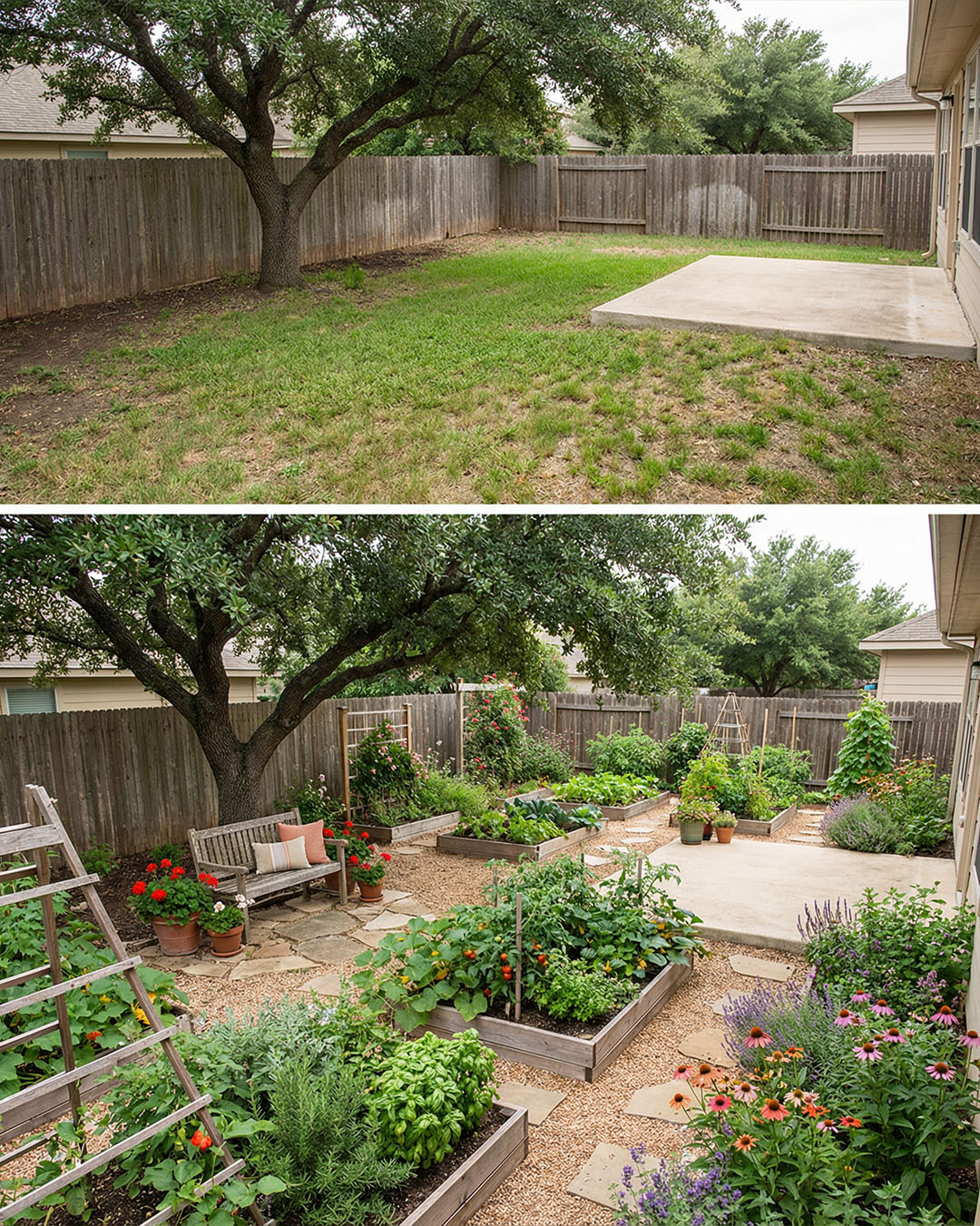
Raised beds don’t require more space. They require better planning. When designed well, they turn a backyard into a productive food system that’s easier to manage and more enjoyable to use.