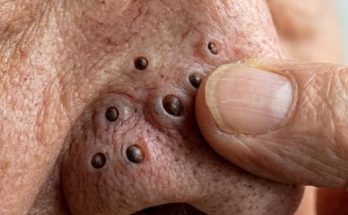
Chest acne is a common skin problem that affects people of all ages, not just teenagers. It appears as pimples, whiteheads, blackheads, or painful cysts on the chest and can be both uncomfortable and embarrassing. Because the chest has many oil-producing glands, it is especially prone to breakouts. Understanding the causes, treatment options, and preventive measures is essential for achieving clearer and healthier skin.
One of the main causes of chest acne is excess oil production combined with dead skin cells that clog pores. Sweat also plays a significant role, especially after exercise or during hot and humid weather. When sweat mixes with oil and bacteria and remains on the skin for too long, it can trigger breakouts. Tight or non-breathable clothing, such as synthetic fabrics, can trap heat and moisture against the skin, making acne worse. Hormonal fluctuations, stress, and certain medications may also contribute to chest acne.
Proper cleansing is the foundation of chest acne treatment. Washing the chest once or twice daily with a gentle, acne-fighting cleanser helps remove sweat, oil, and bacteria. Products containing salicylic acid or benzoyl peroxide are particularly effective, as they help unclog pores and reduce acne-causing bacteria. After sweating heavily, showering as soon as possible can significantly reduce the risk of breakouts.
Exfoliation helps prevent clogged pores by removing dead skin cells from the surface. Using a mild chemical exfoliant or a gentle exfoliating wash two to three times per week can improve skin texture and reduce acne. Avoid harsh scrubs, as aggressive exfoliation can irritate the skin and lead to more inflammation and breakouts.
In addition to cleansing, topical treatments play a key role. Retinoids help increase cell turnover and prevent pores from becoming blocked. For inflamed or painful acne, spot treatments with benzoyl peroxide or sulfur can reduce redness and speed up healing. Always start with lower-strength products to minimize irritation and dryness.
Lifestyle and prevention strategies are just as important as treatment. Wearing loose, breathable fabrics such as cotton allows sweat to evaporate and reduces friction. Washing workout clothes, bras, and towels regularly prevents bacteria buildup. Avoid applying heavy body lotions or oils to the chest area, as they can clog pores. Using non-comedogenic skincare and sunscreen products helps keep pores clear.

Diet and stress management may also influence chest acne. While triggers vary from person to person, reducing sugary foods, processed snacks, and dairy may help some individuals. Staying hydrated, getting enough sleep, and managing stress through exercise or relaxation techniques can support overall skin health.
If chest acne is severe, persistent, or leaving scars, consulting a dermatologist is recommended. Prescription treatments such as oral medications, stronger topical creams, or professional procedures can effectively control breakouts.
With consistent care, proper hygiene, and preventive habits, chest acne can be managed successfully, helping you feel more comfortable and confident in your skin.