Introduction to Cysts and Sacs
Cysts are common, benign (non-cancerous) growths that can develop anywhere on the body. These sacs are typically filled with fluid, air, or other materials. While many cysts are harmless and may resolve on their own, some can become stubborn, causing discomfort, pain, or complications. In these cases, removal may be necessary. Stubborn cysts or sacs, particularly when they do not go away or keep reappearing, often require medical intervention to prevent them from growing or causing further issues.
In this article, we will explore the different types of cysts and sacs, reasons why they might become stubborn, and the methods used for removal.
What Are Cysts and Sacs?
A cyst is a closed sac or pouch that contains material like liquid, semi-solid substances, or even gas. It can form in almost any part of the body, such as the skin, ovaries, kidneys, or organs like the liver. Some of the most common types of cysts include:
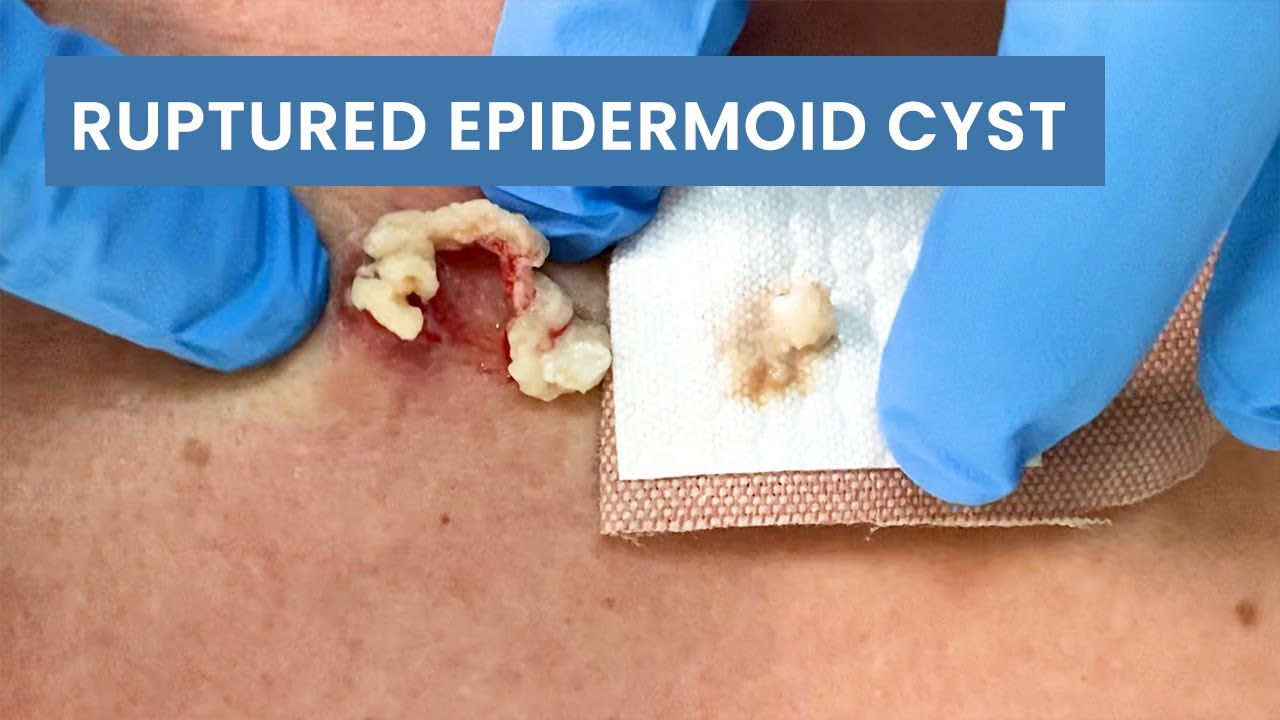
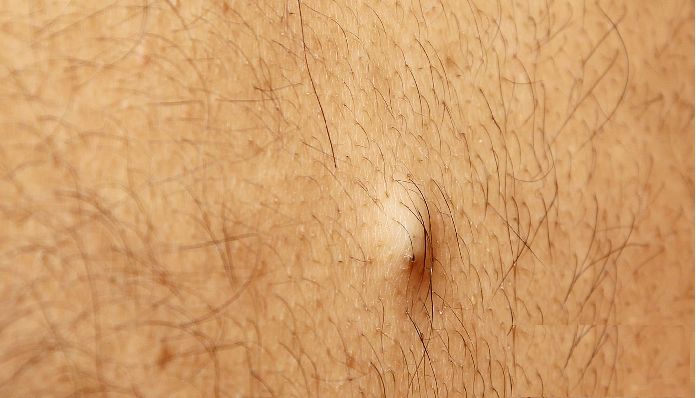
- Epidermoid Cysts: Often referred to as “sebaceous cysts,” these are small, non-painful lumps found just beneath the skin, filled with keratin.
- Ganglion Cysts: These are fluid-filled sacs that typically form near joints or tendons, often in the wrist or hand.
- Ovarian Cysts: These cysts form in or on the ovaries and are often discovered during routine pelvic exams or ultrasounds.
- Pilonidal Cysts: These cysts form near the tailbone and can be painful, particularly when they become infected.
A “sac,” in the medical sense, refers to any small, closed container or structure that can hold fluid or tissue, but it is often used interchangeably with the term “cyst.”
Why Do Cysts Become Stubborn?
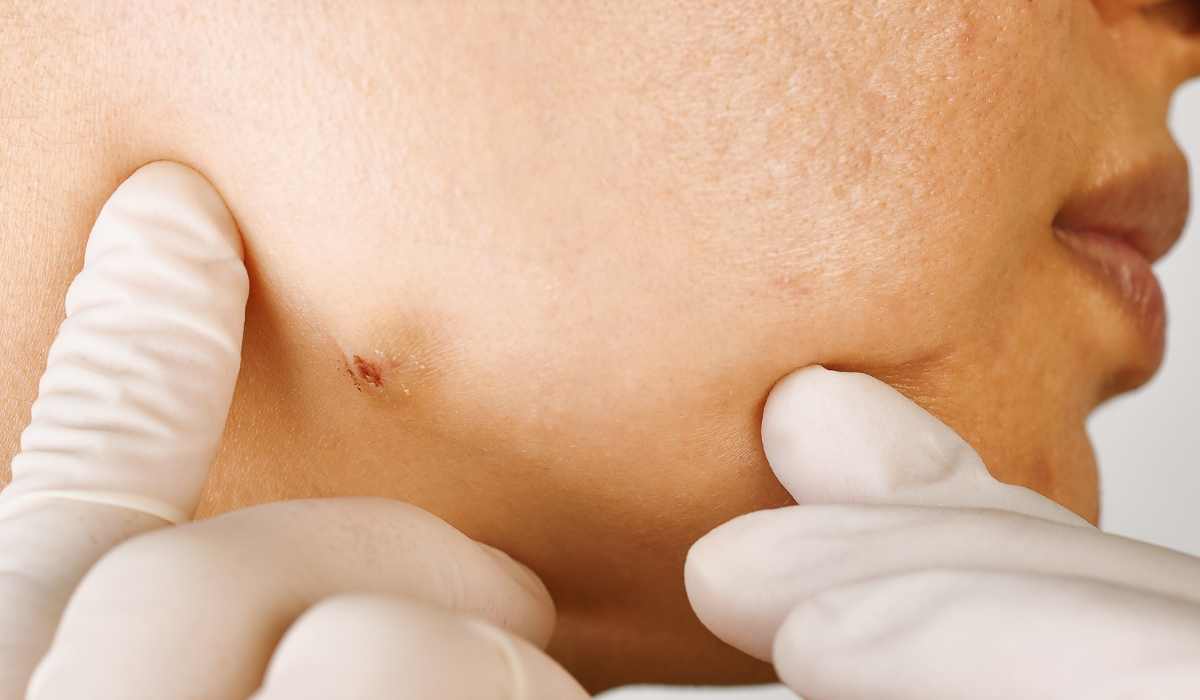
While most cysts are harmless and may even resolve on their own, some can become stubborn or problematic. Several factors contribute to this:
- Infection: If a cyst becomes infected, it may become inflamed and swollen. This can cause pain, redness, and increased risk of rupture, making it harder to heal naturally.
- Recurrent Cysts: Some people experience recurrent cysts, where new ones form after old ones are removed. These can occur due to genetic factors, lifestyle, or chronic irritation.
- Size and Growth: Cysts that grow larger can become more difficult to treat or remove. Large cysts may push on surrounding tissues, leading to discomfort and affecting the function of organs or joints.
- Blocked Ducts: Cysts can form when glands or ducts in the body become blocked, preventing drainage. When the blockage continues, the cyst may become persistent.
- Type of Cyst: Certain types of cysts, such as ganglion cysts or ovarian cysts, tend to be more persistent or recurrent due to their nature or location in the body.
When is Removal Necessary?
While not all cysts require removal, there are situations where medical intervention is needed. Removal may be recommended in the following cases:
- Pain and Discomfort: If a cyst is causing pain or discomfort, especially in sensitive areas like the ovaries or near joints, removal may be the best option.
- Infection: If a cyst becomes infected or inflamed, removal may be required to prevent further complications.
- Cosmetic Concerns: In some cases, especially with cysts on the skin, removal may be pursued for cosmetic reasons if the cyst is unsightly or causes self-esteem issues.
- Recurrent Cysts: If a cyst keeps coming back, it may be necessary to remove it to prevent continuous issues.
- Risk of Rupture: Some cysts, if left untreated, can rupture, leading to more severe problems like abscess formation, infection, or other complications.
Methods of Cyst and Sac Removal
Cyst and sac removal typically involves medical intervention, and the method of removal will depend on the type, location, and size of the cyst. Some common removal methods include:
- Incision and Drainage: For superficial cysts (like epidermoid cysts), a doctor may make a small incision and drain the contents of the cyst. This provides immediate relief, but the cyst may recur unless the entire sac is removed.
- Surgical Excision: For larger or more stubborn cysts, surgical excision is often the most effective treatment. In this method, the entire cyst, including the sac, is carefully removed under local anesthesia. This method helps reduce the chances of recurrence.
- Needle Aspiration: For certain cysts, such as ganglion cysts, a doctor may use a needle to drain the fluid from the cyst. While this can provide temporary relief, it doesn’t remove the cyst’s lining, so there’s a risk of recurrence.
- Laser Removal: In some cases, laser treatment may be used to break down the cyst or sac, particularly for skin cysts. This method is less invasive and may offer a quicker recovery time.
- Laparoscopic Surgery: For cysts located internally, such as ovarian cysts, a minimally invasive technique like laparoscopy may be used. Small incisions are made, and a camera is used to guide the removal process.
Recovery After Cyst Removal
Recovery time varies depending on the method of removal and the location of the cyst. For superficial cysts that are removed through a small incision, recovery can take just a few days. Larger cysts or those that require more invasive procedures may require a few weeks of recovery time.
Post-removal care often includes:
- Keeping the area clean and dry
- Taking prescribed antibiotics to prevent infection
- Avoiding heavy exercise or physical strain for a few days
- Monitoring the site for signs of infection or recurrence