The tiny house movement has gained considerable traction in recent years, captivating people with its promise of a simpler, more sustainable, and cost-effective way of living. While the idea of downsizing and living in a compact space may seem daunting to some, there are numerous advantages to choosing tiny house living. From significant savings to a reduced environmental footprint, tiny homes can improve your quality of life in more ways than one. Here’s how tiny house living can save you money, benefit the environment, and improve your overall well-being.
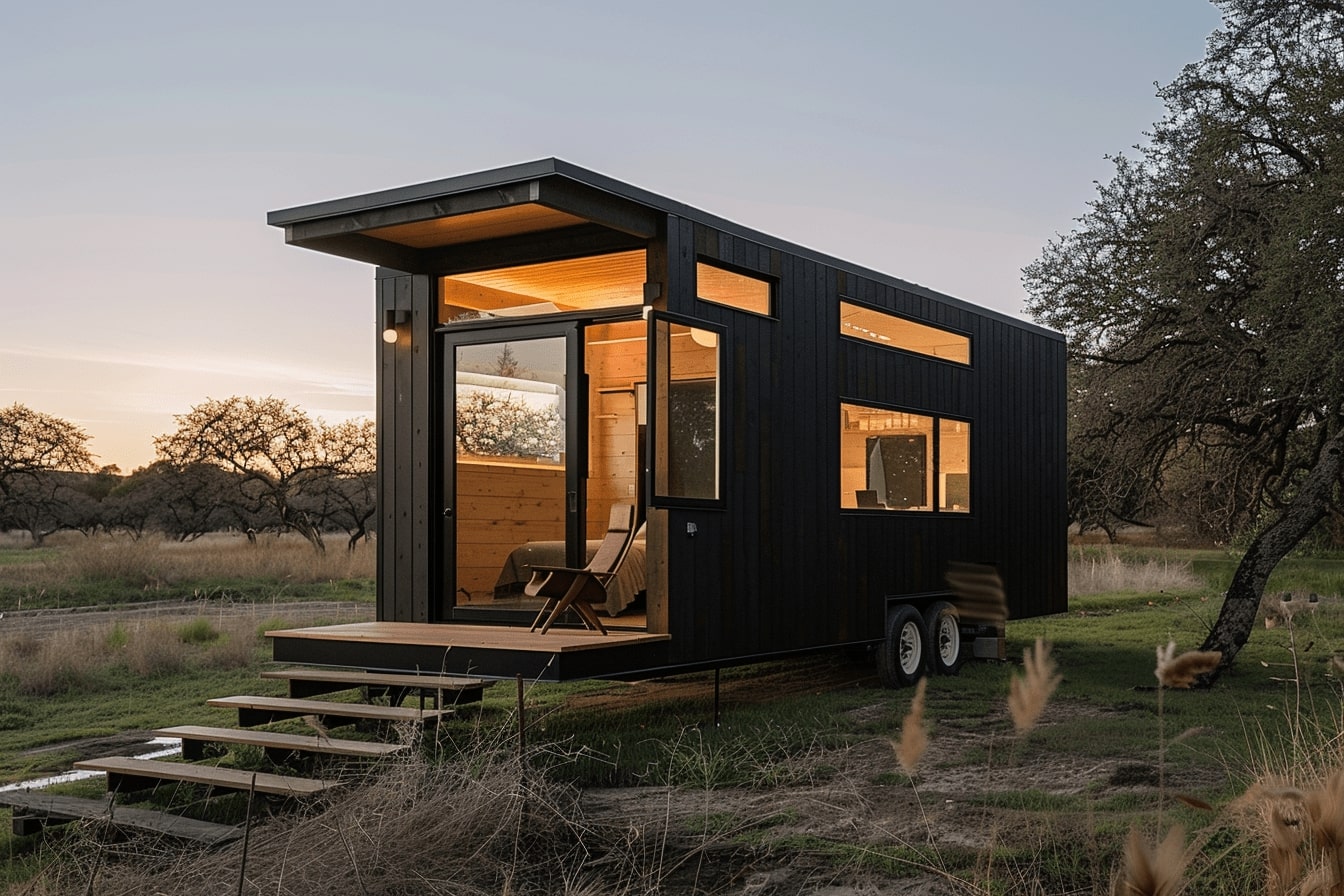
1. Cost Savings: A Smarter Way to Live
One of the most obvious benefits of tiny house living is the significant financial savings it offers. Traditional homes are often expensive, with costs ranging from mortgage payments and property taxes to utilities and maintenance. Tiny homes, however, provide a far more affordable alternative, with smaller price tags, lower energy bills, and reduced upkeep costs.
- Lower Initial Costs: Whether you buy or build, tiny homes are far less expensive than traditional houses. With prices often ranging between $20,000 and $100,000, tiny homes are a much more budget-friendly option, especially for first-time homebuyers or those looking to escape the high costs of city living.
- Reduced Utility Bills: Smaller spaces are more energy-efficient, which translates into lower utility bills. Heating and cooling a tiny home is far easier and cheaper than maintaining a large house, as there is less space to warm up or cool down. Many tiny home owners also opt for solar panels or other energy-saving systems, further reducing their utility costs.
- Lower Maintenance and Property Taxes: A tiny home requires less maintenance due to its small size, which means fewer repairs and upgrades. Additionally, property taxes are often much lower for tiny homes because of their smaller square footage, saving you money each year.
With all these cost reductions, tiny home living makes it easier to live within your means and achieve financial freedom.
2. Environmental Benefits: A Greener Way of Living
Tiny homes are not only good for your wallet—they’re also an excellent choice for the environment. As concerns about climate change and overconsumption grow, more and more people are looking for ways to reduce their ecological impact. Tiny houses offer a simple and effective way to live more sustainably.
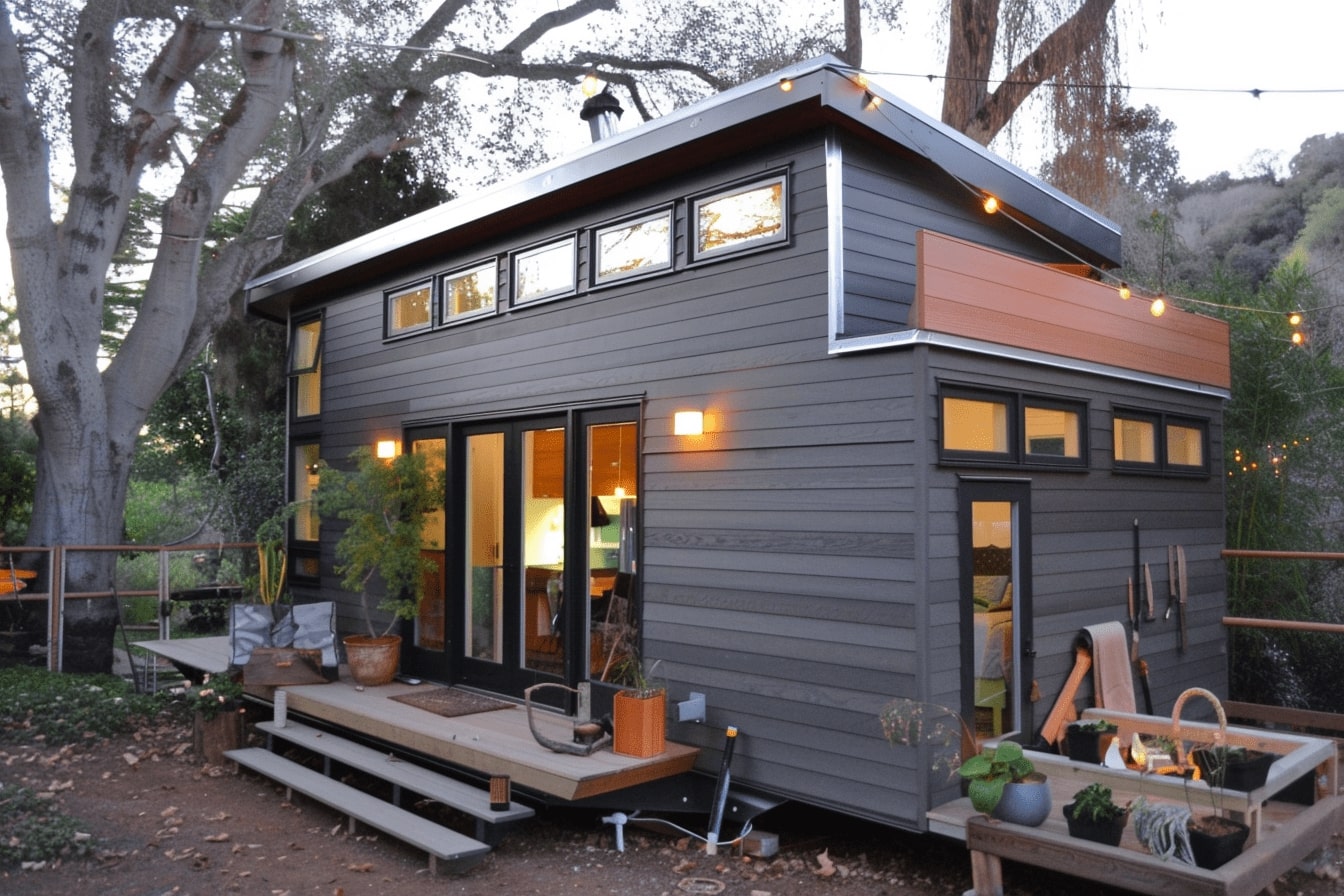
- Smaller Carbon Footprint: The smaller the house, the fewer resources are required to build and maintain it. Tiny homes require fewer building materials, and they produce less waste and pollution during construction. Additionally, the smaller footprint means less energy is required for heating, cooling, and powering appliances.
- Energy Efficiency: Many tiny homes are built with energy-efficient materials and systems in mind. From high-quality insulation to LED lighting, these homes are designed to minimize energy use. Some owners even install solar panels or rainwater collection systems to further reduce their reliance on traditional energy sources.
- Encouragement of Minimalism: Living in a tiny house often means embracing a minimalist lifestyle. Without excess space to fill, you’re forced to downsize your possessions and focus on only what you truly need. This not only reduces waste but also encourages a more sustainable lifestyle by fostering conscious consumption.
By reducing your personal resource usage and adopting eco-friendly habits, tiny home living can significantly reduce your carbon footprint and contribute to a more sustainable future.
3. Improved Quality of Life: Simplified Living for Greater Happiness
While the financial and environmental benefits are significant, one of the most transformative aspects of tiny house living is the positive impact it can have on your well-being. The simple, clutter-free nature of tiny homes encourages a lifestyle focused on the essentials, leading to increased satisfaction, mindfulness, and personal growth.
- Less Clutter, Less Stress: One of the key elements of tiny home living is the minimalist lifestyle it promotes. With limited space, you’ll need to prioritize what’s truly important in your life. As a result, many tiny homeowners report feeling less stressed and more at peace. The lack of excess possessions and distractions allows for more clarity, both physically and mentally.
- More Time for What Matters: Because tiny homes require less maintenance and upkeep, you’ll spend less time on chores and more time focusing on the things you love. Whether it’s spending time with family, engaging in a hobby, or exploring new interests, tiny house living provides more opportunities to enjoy life’s simple pleasures.
- Closer Connections with Loved Ones: The compact nature of tiny homes fosters closer relationships between family members, as everyone shares a smaller space. This encourages communication, cooperation, and quality time together. Additionally, many tiny home communities exist where people with similar values come together to create supportive, tight-knit networks.
- Improved Health and Well-Being: The minimalism that comes with tiny house living often extends beyond material possessions. Many tiny homeowners adopt healthier habits, such as cooking their own meals, spending more time outdoors, and prioritizing exercise and mindfulness. The lack of distractions and clutter also promotes mental clarity, leading to improved emotional well-being.
4. Flexibility and Freedom: Living Life on Your Terms
Another major benefit of tiny house living is the freedom it provides. Many tiny homes are built on trailers, giving you the ability to move your home wherever you choose. This flexibility opens up a world of possibilities, whether you want to travel, explore different cities, or simply live a more mobile lifestyle.
- Nomadic Living: With a tiny home on wheels, you can take your living space with you wherever you go. Whether you want to experience different parts of the country or live closer to nature, tiny homes give you the freedom to change your environment at will. This kind of mobility can be especially appealing to people who work remotely or those who simply want to experience new places.
- Reduced Dependence on Traditional Housing Markets: Tiny homes allow you to live outside of the traditional housing market. You’re not tied to expensive cities or high rent prices, and you have the freedom to choose the best location for your lifestyle. Whether you want to live in the countryside, by the beach, or in an urban area, tiny homes offer the ultimate in location flexibility.
Conclusion
Tiny house living offers a unique and compelling alternative to traditional housing, with numerous benefits that extend far beyond just cost savings. From reducing your carbon footprint to improving your quality of life, tiny homes offer a simpler, more sustainable way of living that can help you reconnect with what truly matters.
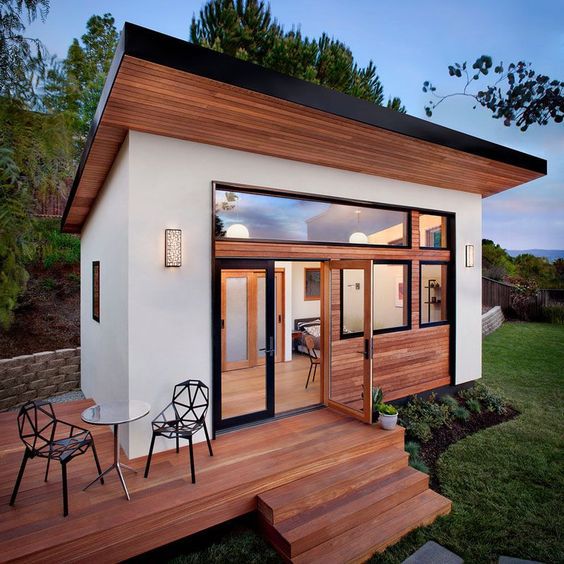
Whether you’re looking to save money, live more sustainably, or simply live a life focused on what’s essential, tiny homes can provide the perfect solution. By embracing tiny home living, you can not only improve your financial situation and environmental impact, but also enjoy a more fulfilling and intentional lifestyle.