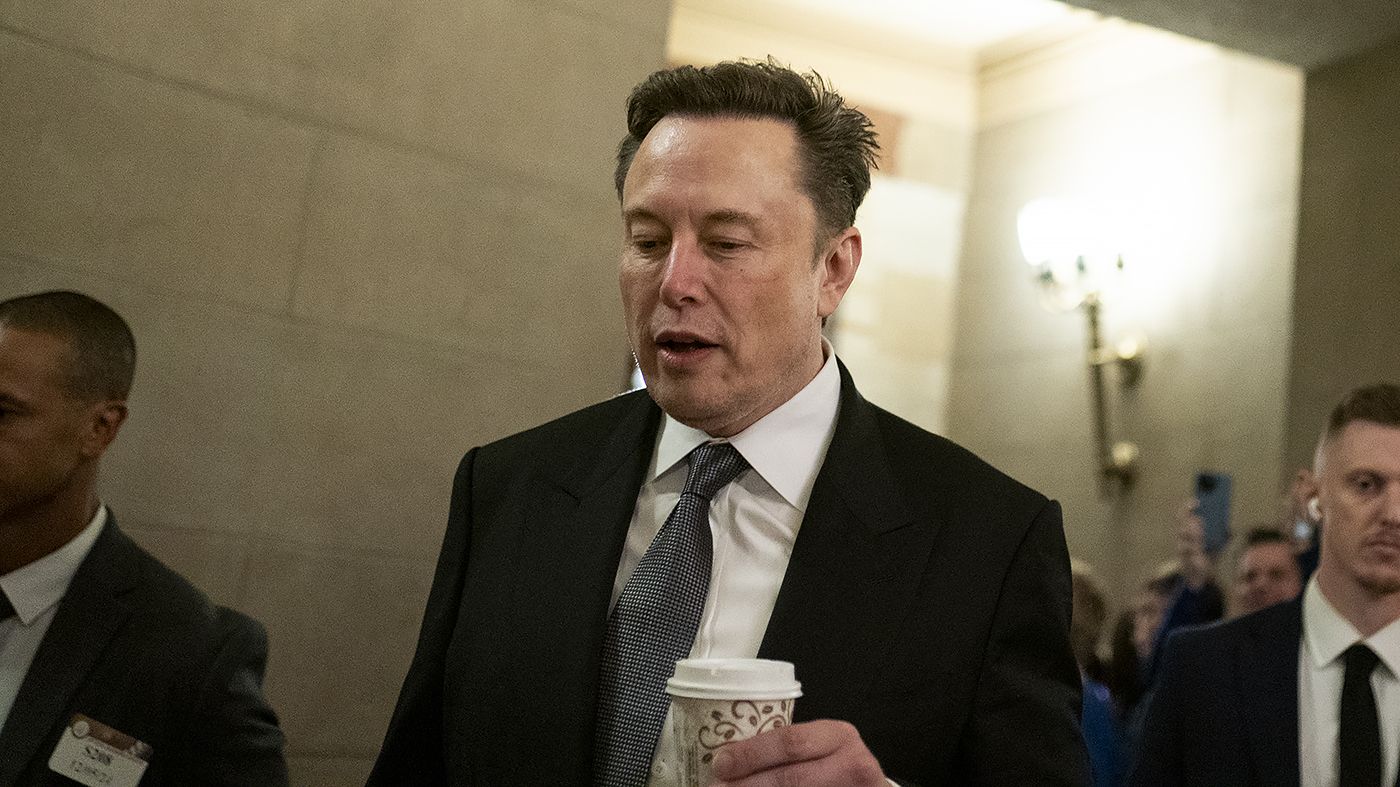
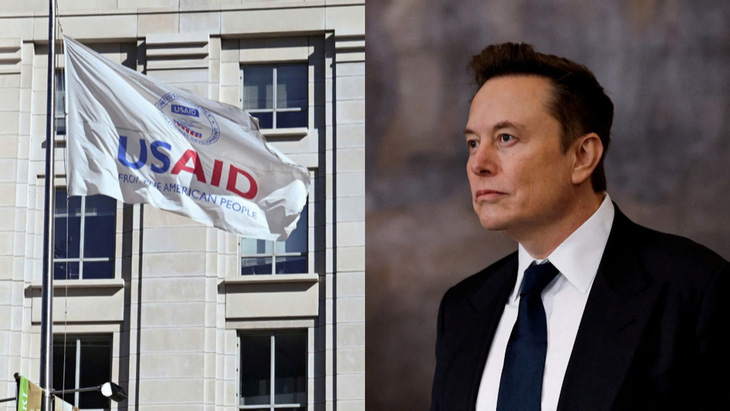
Elon Musk, the outspoken billionaire entrepreneur, shocked the world recently when he accused the United States Agency for International Development (USAID) of being a “criminal organization.” Known for his bold statements and unfiltered commentary on social media, Musk’s latest accusation has sparked widespread debate, raising questions about his views on U.S. foreign policy and government institutions.
USAID is an independent agency of the U.S. federal government, tasked with administering civilian foreign aid and development assistance. It has long been a key player in the United States’ efforts to promote democracy, economic growth, and humanitarian aid across the globe. However, Musk’s accusation of criminal activity against the organization has thrown the agency—and its practices—into the spotlight, prompting both support and backlash.
Musk’s statement came in the wake of his broader critiques of government institutions and global policy. Throughout his career, Musk has been vocal about his desire to challenge the status quo and push boundaries, particularly when it comes to innovation and government regulation. But his recent remark about USAID represents a significant escalation in his criticisms of the U.S. government and its operations abroad.
In his tweet, Musk did not provide specific details about what led him to label USAID a “criminal organization,” but his words were bold and unequivocal. This level of accusation is rare for someone of Musk’s stature, who usually reserves his outspokenness for issues related to technology, innovation, and environmental sustainability. The statement quickly gained traction online, sparking debates over the role of U.S. foreign aid, government accountability, and the ethics of international intervention.
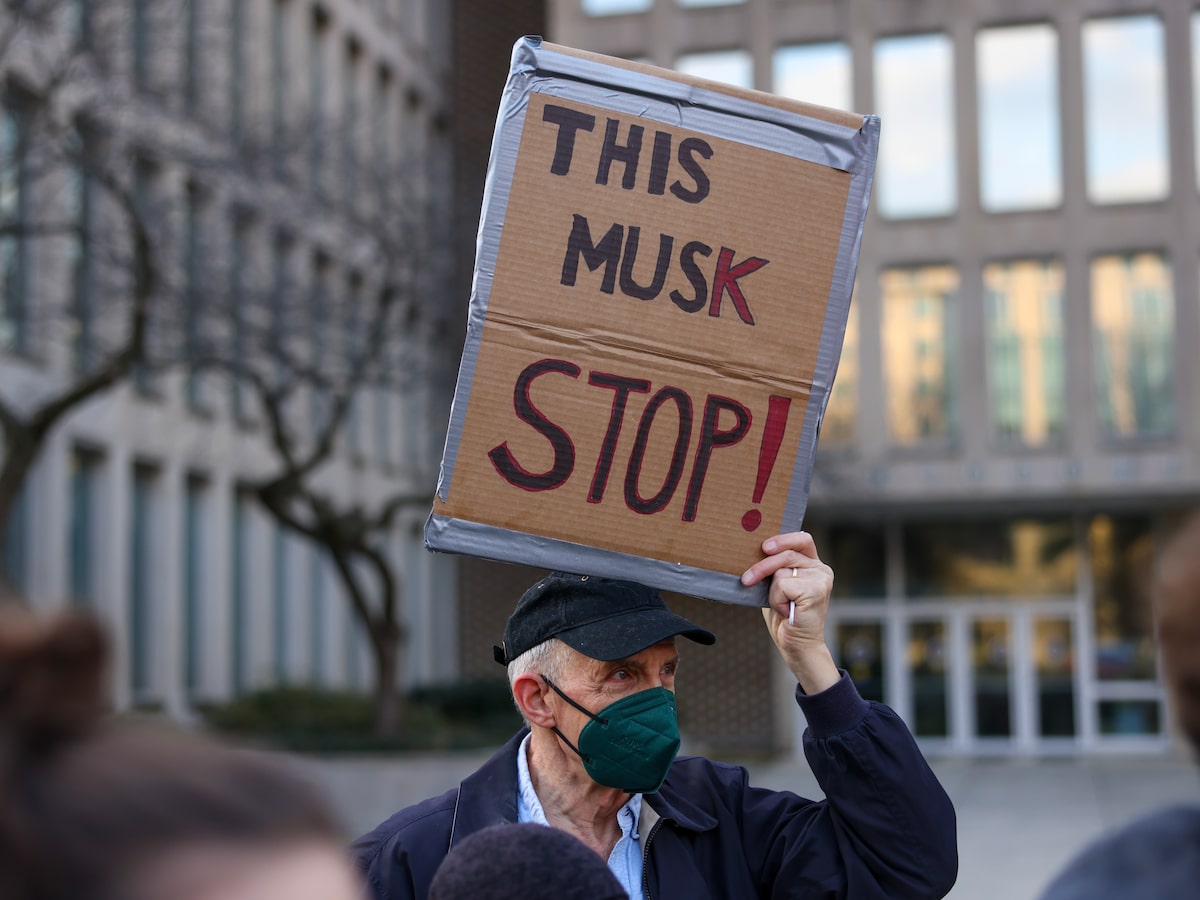
Many supporters of Musk’s statement have interpreted it as a challenge to the traditional structures of U.S. foreign policy, which have often been controversial. Critics of USAID have long argued that some of the agency’s programs may inadvertently serve political interests rather than genuine humanitarian causes. Some believe that U.S. aid can sometimes be used to manipulate or control other countries, pushing them toward policies that align with American interests. Musk’s statement might be seen as a call to reexamine how foreign aid is distributed and whether it truly benefits the people it aims to help.
On the other hand, the accusation has also drawn criticism, with many defending USAID as an institution committed to improving lives worldwide. USAID has been involved in efforts to combat poverty, improve education, provide disaster relief, and promote health initiatives in countless countries. While no large institution is immune from mistakes or flaws, USAID’s mission has generally been seen as one of humanitarian goodwill and global development. Critics of Musk’s comment argue that such accusations are damaging and oversimplify complex issues related to foreign aid and diplomacy.
Some have speculated that Musk’s comment could be driven by a broader frustration with government interference in private sector innovation, a theme he has regularly discussed in relation to his companies, including Tesla and SpaceX. As an advocate for free-market solutions, Musk has repeatedly pushed back against government regulations that he feels hinder progress. His critique of USAID could be a reflection of his dissatisfaction with government entities that he perceives as inefficient or counterproductive.
Moreover, Musk’s relationship with government agencies has often been a complex one. While SpaceX, for example, has received government contracts and support, Musk has also been critical of the way regulations have impacted his companies’ growth. His comments about USAID might, therefore, be part of a larger narrative about government intervention in business and foreign affairs.
The fallout from Musk’s accusation has been swift, with some calling for him to clarify his statement or apologize for what they perceive as an unfounded attack. Others argue that Musk’s comment has sparked an important conversation about transparency and accountability in U.S. foreign policy. Regardless of where one stands on the issue, it’s clear that Musk’s words have ignited a heated debate that goes beyond the realm of technology and business.
In conclusion, Elon Musk’s accusation of USAID being a “criminal organization” has sent shockwaves through the political and business worlds. While his critics argue that the statement is unfounded and harmful, his supporters see it as an opportunity to challenge the status quo and question the effectiveness of U.S. foreign aid. Musk’s remarks are yet another example of his willingness to speak out on controversial issues, and whether one agrees with his stance or not, his words are sure to continue fueling discussions about the role of government in global affairs.