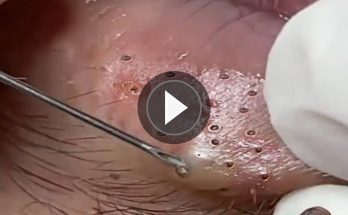
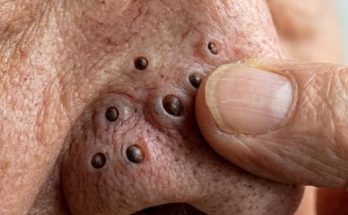
Blackheads are small, dark spots that appear on the skin, often on the face, particularly around the nose, chin, and forehead. They are a type of acne formed when hair follicles become clogged with oil, dead skin cells, and bacteria. Unlike whiteheads, blackheads remain open at the surface, causing the buildup to oxidize and turn black. While they are most common in teenagers, blackheads can affect individuals of all ages due to various factors, including hormonal changes, genetics, and lifestyle habits.
How to Remove Blackheads
To effectively remove blackheads, it’s important to start with gentle cleaning. Begin by using a mild cleanser to wash the face, removing dirt and excess oil. Exfoliating regularly with a scrub or chemical exfoliant, such as salicylic acid, can help prevent clogged pores by shedding dead skin cells. Pore strips or blackhead removal tools may be used, but they should be used cautiously to avoid irritating the skin or causing scarring. Another option is visiting a dermatologist for professional extractions.
Prevention of Blackheads
Preventing blackheads requires consistent skincare practices. Keeping the skin clean by washing the face twice a day with a gentle cleanser can help prevent oil buildup. Avoiding heavy makeup and oil-based skincare products can reduce the risk of clogged pores. Regular exfoliation helps remove dead skin cells that contribute to blockages. Additionally, incorporating a non-comedogenic moisturizer can help keep the skin hydrated without clogging pores.
Treatment Options
For those who have persistent blackheads, over-the-counter treatments containing retinoids or benzoyl peroxide may help. These ingredients work by unclogging pores and reducing the amount of oil on the skin. In more severe cases, consulting a dermatologist for prescription treatments, such as topical antibiotics or chemical peels, may be necessary.
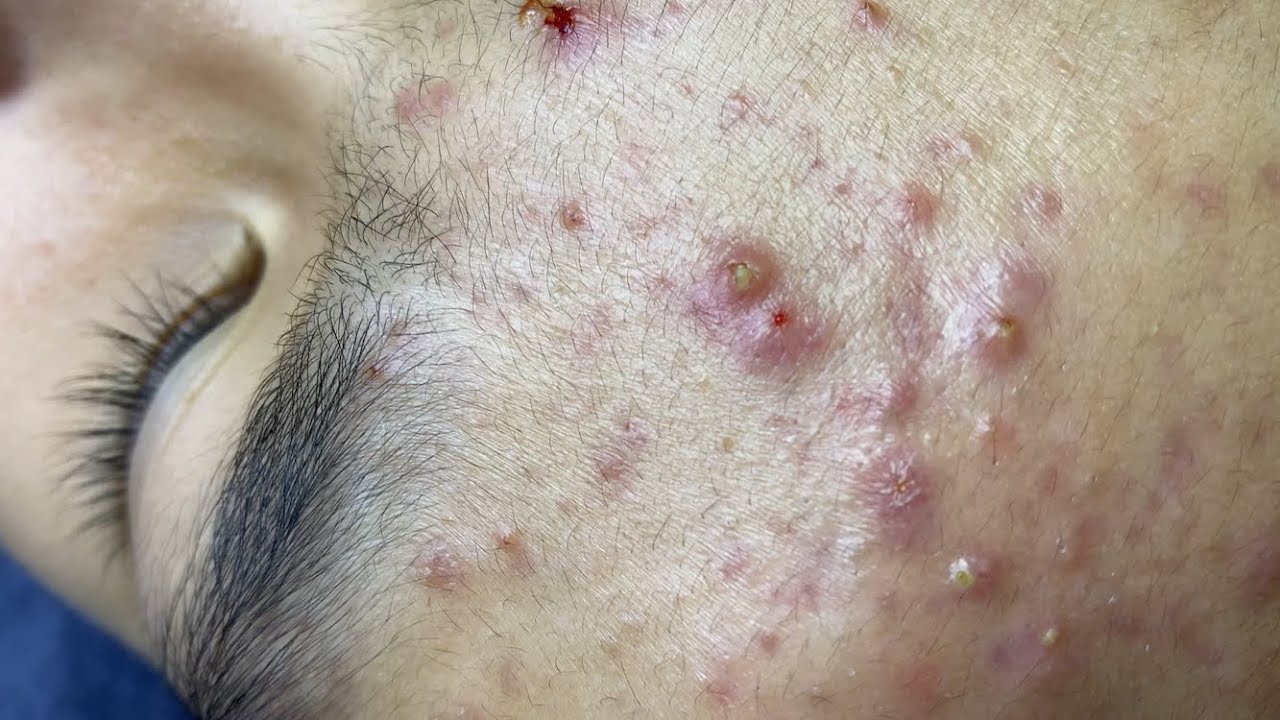
By following these steps, you can effectively manage and reduce blackheads for clearer, healthier skin.