In the fast-paced world of tech, where innovation is king and failure is unforgiving, Mark Zuckerberg is playing a high-stakes game—one that could make or break not just Meta, but the direction of Silicon Valley itself in 2025.

For years, Zuckerberg has been seen as a visionary force, often moving faster—and taking bigger risks—than his peers. From rebranding Facebook to Meta in 2021 to chase the dream of the metaverse, to now pivoting aggressively toward artificial intelligence, his strategy is as ambitious as it is controversial.
But what many are only now realizing is that behind the headlines and high-profile product launches lies a dark secret: Zuckerberg is betting the future of Meta—and perhaps the broader tech world—on a strategy that’s all or nothing.
The Hidden Shift
The metaverse, once Meta’s flagship ambition, has quietly taken a backseat. After billions of dollars invested and years of development, the adoption has fallen far short of expectations. Reality Labs, the division behind Meta’s VR and AR tech, continues to burn cash without delivering mass-market traction.
Publicly, Zuckerberg insists the metaverse remains a long-term vision. Privately, sources suggest internal resources are now being funneled toward AI at a breakneck pace. Meta is rapidly building out AI infrastructure, developing proprietary language models, and pushing tools like Meta AI Assistant across platforms including Instagram, WhatsApp, and Facebook.
This shift isn’t just about riding the AI wave. It’s about survival.
The Make-or-Break Moment
Meta has fallen behind rivals like OpenAI, Google DeepMind, and Microsoft, all of whom have seized early dominance in generative AI. To catch up, Zuckerberg is taking a massive risk—one that hinges on Meta’s ability to leapfrog the competition with a mix of cutting-edge models, custom silicon chips, and aggressive integration of AI across its user base.
If this works, Meta could redefine its relevance for a new era—moving from a social media giant to an AI powerhouse. If it fails, the financial losses could dwarf even those from the metaverse experiment.
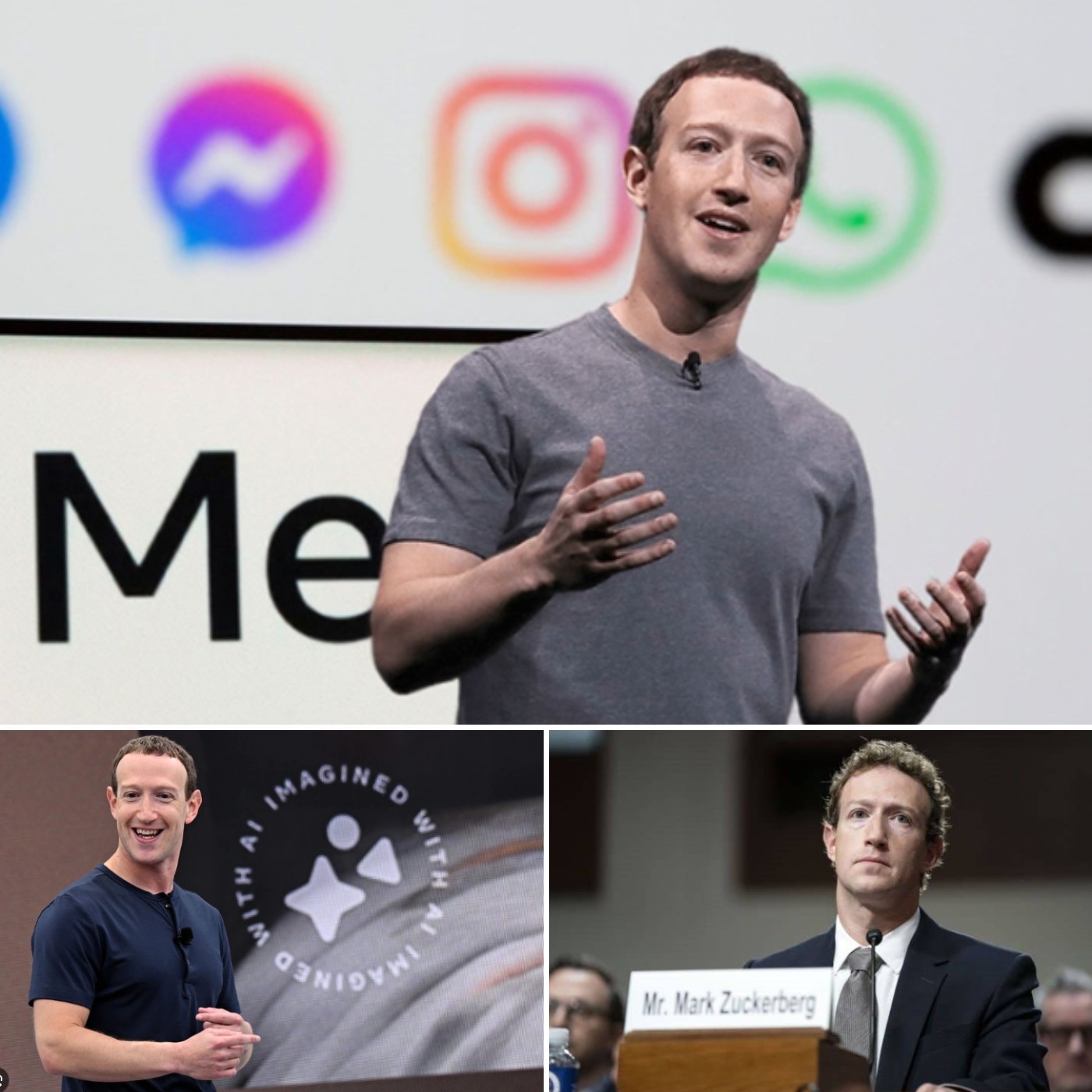
Silicon Valley’s Turning Point
Zuckerberg’s move is about more than Meta—it’s a mirror for the rest of Silicon Valley. As Big Tech companies scramble to reinvent themselves in an AI-dominated landscape, the strategies being tested now will define the winners and losers of the next decade.
Zuckerberg is effectively wagering Meta’s future on two beliefs: that AI will soon underpin everything from digital assistants to business tools, and that Meta’s scale gives it an edge in training and deploying these technologies fast.
But there’s no safety net this time. Investors are watching closely. Consumer trust is on the line. The competition is fierce. And the cost of failure is higher than ever.
Final Thought
As 2025 unfolds, Zuckerberg’s secretive strategy is starting to take center stage. It’s bold, it’s risky, and it’s happening in real time. Whether this will mark his redemption—or a dramatic downfall—remains to be seen. But one thing is certain: the outcome will echo across Silicon Valley for years to come.