Elon Musk has never been one to follow the rules. From shaking up the auto industry with Tesla to redefining space travel with SpaceX, his ambitions have always leaned toward the impossible. Now, in typical Musk fashion, he’s quietly laying the groundwork for what could be his most disruptive idea yet: a fully autonomous Tesla taxi service—a project that, surprisingly, has been hiding in plain sight.
The concept isn’t entirely new. Musk has been hinting at a robo-taxi future since 2019, claiming that Tesla vehicles would soon be able to drive themselves without any human intervention. Critics scoffed, timelines slipped, and regulatory red tape delayed progress. But now, in 2025, it appears that Musk’s long-teased plan is not only still alive—it’s accelerating behind the scenes.
What We Know So Far
Tesla’s Full Self-Driving (FSD) software has been in active development for years, with each update bringing the company closer to true autonomy. Recent over-the-air updates have shown massive improvements in real-world performance, particularly in urban environments—where robo-taxis would be most useful.
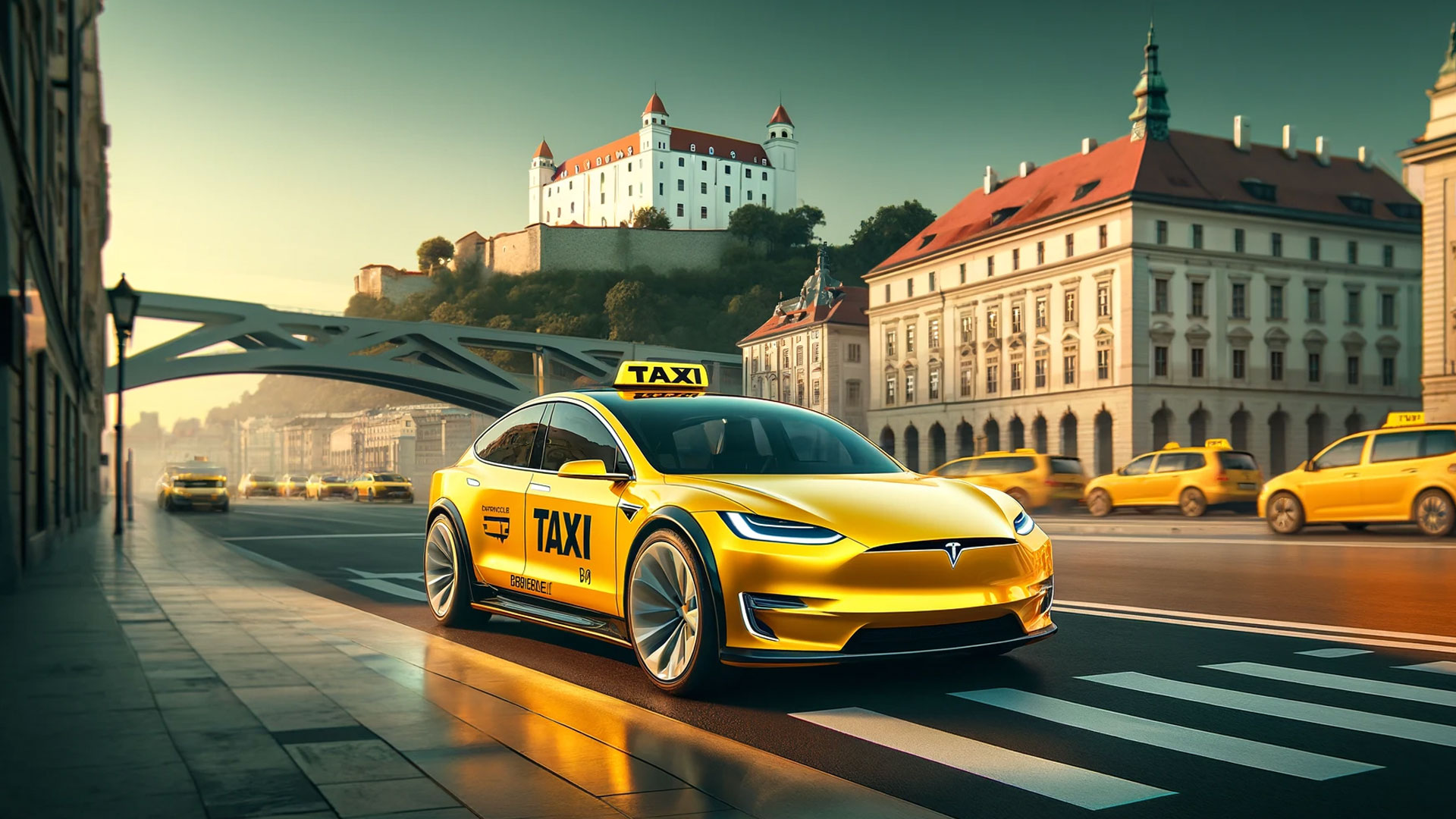
And here’s the kicker: Tesla has been spotted testing a mysterious, streamlined vehicle prototype with no steering wheel or pedals—something that lines up exactly with Musk’s vision of a purpose-built, autonomous ride-hailing vehicle. Industry insiders suggest that this next-generation Tesla is being developed specifically for fleet use, not consumer sales.
Musk has hinted at a 2025 unveiling, and according to leaked internal documents, Tesla is already in early talks with municipalities to roll out limited robo-taxi trials. The goal? Launch a Tesla-owned autonomous ride-hailing service that undercuts Uber and Lyft while maintaining full control of both hardware and software—a move that could be worth billions.
Why This Changes Everything
If successful, this could completely upend the transportation industry. Tesla would no longer just be a car company—it would be a mobility platform, generating recurring revenue from a vast fleet of autonomous vehicles that never sleep, never call in sick, and never need a tip.
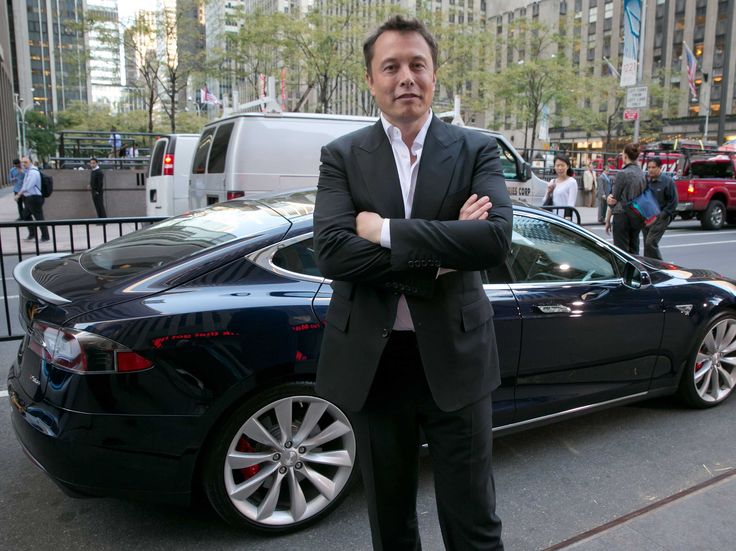
By cutting out human drivers, Tesla could reduce ride costs dramatically while increasing profit margins. It would also push Tesla’s valuation into uncharted territory, transforming it from an automaker into a full-blown tech services company.
Challenges Ahead
Of course, it’s not all smooth roads ahead. Tesla still faces significant regulatory hurdles, particularly in the U.S. and Europe. The technology, while impressive, has yet to prove itself in the chaotic, unpredictable world of real-life urban driving. Safety, liability, insurance, and data privacy are just a few of the legal and ethical minefields that Musk will have to navigate.
But if anyone has a track record of pulling off the improbable, it’s Elon Musk.
Final Thought
While many dismissed his robo-taxi dream as science fiction, Musk may be on the brink of turning it into reality. The signs are there, the tech is catching up, and the vision is clear. If Tesla’s secret taxi fleet becomes a reality, it won’t just be another product launch—it will be the dawn of a new transportation era.