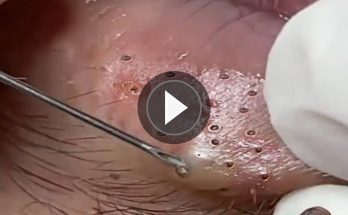
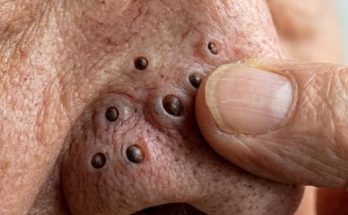
If you’re struggling with acne or frequent breakouts, chemical peel treatments may offer an effective solution. These treatments work by applying a specially formulated chemical solution to the skin, which exfoliates the top layers. As the outer layer peels off, it reveals smoother, clearer, and more evenly toned skin underneath.
Chemical peels can help unclog pores, reduce inflammation, and improve the appearance of acne scars and dark spots. They also stimulate new skin cell growth, which is essential for maintaining healthy, radiant skin. The result is a significant reduction in pimples, blackheads, and other acne-related concerns over time.
There are different types of chemical peels—light, medium, and deep—each suited to specific skin conditions and types. Light peels, using ingredients like alpha hydroxy acids (AHAs) or beta hydroxy acids (BHAs), are often recommended for mild acne. Medium or deep peels, which may include trichloroacetic acid (TCA) or phenol, are more powerful and can address more severe acne or scarring.
A consultation with a dermatologist or licensed skincare professional is essential before undergoing a chemical peel. They will assess your skin type, acne severity, and medical history to determine the best treatment plan for you.
After a peel, your skin may be red, sensitive, and may peel for a few days. It’s important to follow post-treatment care instructions carefully, including sun protection and hydration, to avoid irritation and ensure the best results.
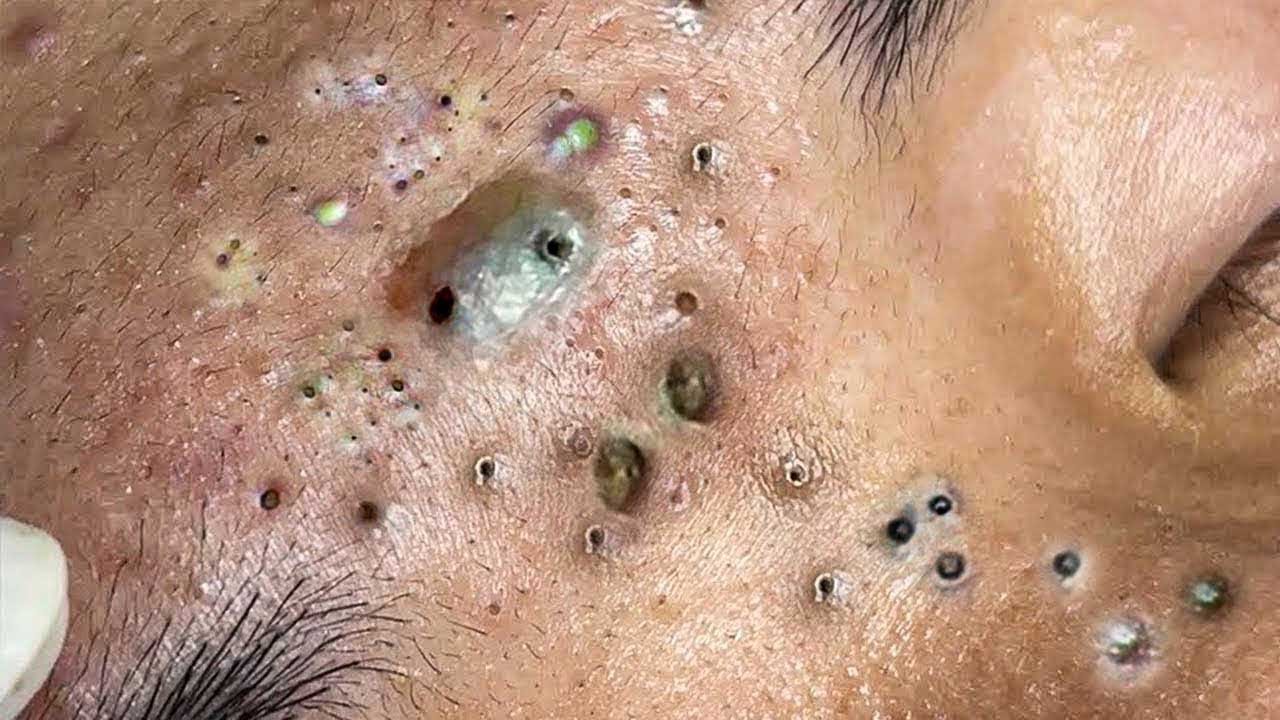
In summary, chemical peels are a proven and non-invasive option for managing acne and improving skin clarity. With proper guidance and aftercare, they can be a valuable part of your acne treatment journey.