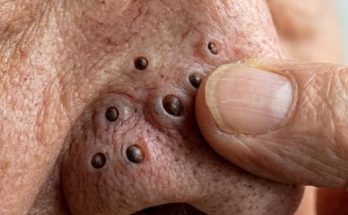
Pimples, also known as acne, are a common skin condition that affects people of all ages. They form when hair follicles become clogged with oil, dead skin cells, and bacteria. While often considered a normal part of adolescence, pimples can occur at any stage of life due to a variety of underlying factors.
One of the main causes of pimples is excess oil production. The skin naturally produces oil (sebum) to keep it moisturized, but when the sebaceous glands produce too much, it can block the pores. Combined with dead skin cells that don’t shed properly, this can create a plug that traps oil and bacteria beneath the surface.
Bacteria, particularly Cutibacterium acnes (formerly Propionibacterium acnes), thrive in clogged pores. This can trigger inflammation, leading to red, swollen, and sometimes painful pimples. Hormonal changes, especially during puberty, menstruation, pregnancy, or conditions like polycystic ovary syndrome (PCOS), can also increase oil production and worsen acne.
Other contributing factors include stress, which can stimulate hormones that lead to breakouts, and diet. High-glycemic foods (like white bread, sweets, and sugary drinks) and dairy products may trigger or worsen acne in some individuals.
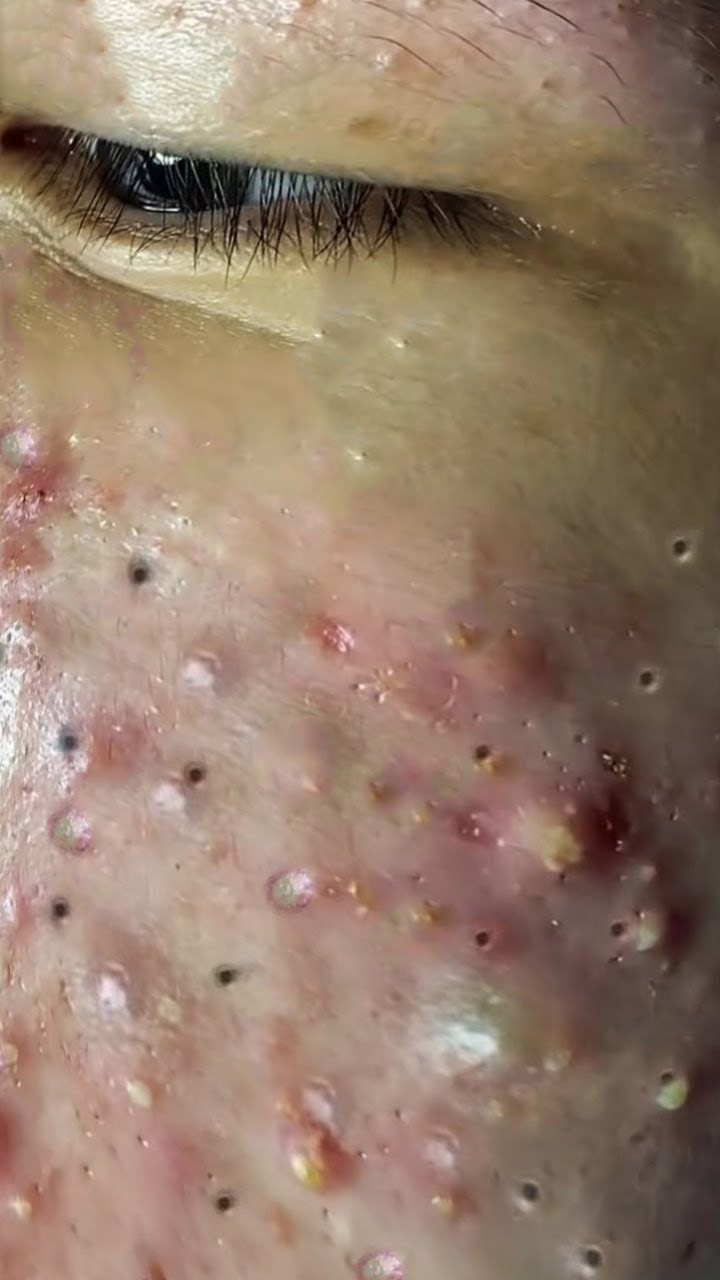
In addition, using comedogenic skin products—those that clog pores—or not washing the face regularly can increase the risk of developing pimples. Some medications, such as corticosteroids or lithium, are also known to cause acne as a side effect. Lastly, genetics play a role; if your parents struggled with acne, you’re more likely to experience it too.
Understanding the root causes of pimples is the first step toward effective prevention and treatment. With the right skincare habits and, if needed, professional guidance, clearer skin is achievable.