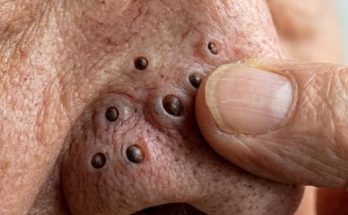
Acne is one of the most common skin concerns, especially for teenagers and young adults, but it can affect people of all ages. One of the most frustrating experiences is clearing a few pimples, only to see new ones form shortly after. Understanding why new acne keeps appearing is the first step toward controlling it and improving overall skin health.
Why Does New Acne Keep Forming?
Acne develops when pores become clogged with oil (sebum), dead skin cells, and bacteria. Even if existing pimples heal, the underlying causes may still be active, leading to new breakouts. Hormonal changes are one of the biggest triggers. During puberty, stress, or certain points in the menstrual cycle, the body produces more hormones that stimulate oil glands. Extra oil increases the chance of clogged pores and acne.
Another common cause is improper skincare. Using harsh cleansers, over-washing, or skipping moisturizer can irritate the skin and cause it to produce even more oil. On the other hand, not cleansing properly allows dirt, sweat, and oil to build up, creating the perfect environment for breakouts.
Diet and lifestyle can also play a role. High-sugar or highly processed foods may worsen acne for some people. Lack of sleep, dehydration, and chronic stress can affect hormones and weaken the skin’s ability to heal, making breakouts more frequent.
The Role of Bacteria and Touching Your Face
Bacteria naturally live on the skin, but when pores are blocked, bacteria can multiply and cause inflammation. Touching your face often, resting your chin on your hands, or using dirty phone screens and pillowcases can transfer bacteria and oil to your skin, leading to new pimples in the same areas.
How to Stop Acne From Coming Back
Consistency is key when it comes to acne prevention. Start with a gentle skincare routine: cleanse your face twice a day with a mild, non-irritating cleanser. Avoid scrubbing too hard, as this can damage the skin barrier. Always use a lightweight, non-comedogenic moisturizer to keep your skin balanced.
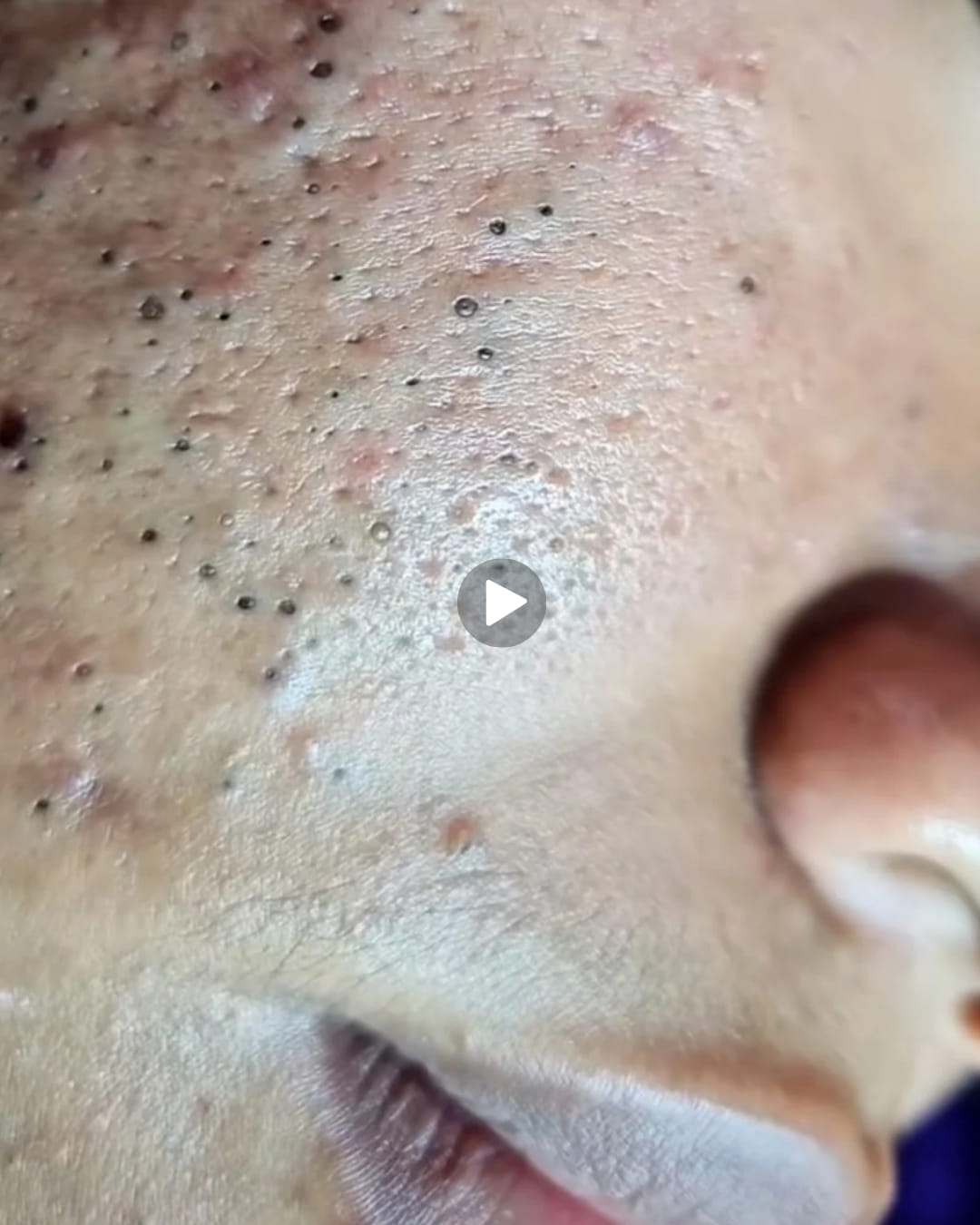
Using acne-fighting ingredients such as salicylic acid or benzoyl peroxide can help keep pores clear, but these should be used carefully to avoid dryness. Sunscreen is also important, as sun damage can worsen acne marks and slow healing.
Lifestyle habits matter too. Try to eat balanced meals, drink enough water, and get regular sleep. Managing stress through exercise, hobbies, or relaxation techniques can help reduce hormone-related breakouts.
When to Seek Extra Help
If acne keeps returning despite good skincare habits, a dermatologist can help. They may recommend prescription treatments or help identify triggers you may not notice on your own. Early treatment can prevent scarring and long-term skin damage.
Acne can be persistent, but it is manageable. By understanding why new breakouts form and taking consistent, gentle care of your skin, you can reduce acne over time and build healthier skin habits for the future.