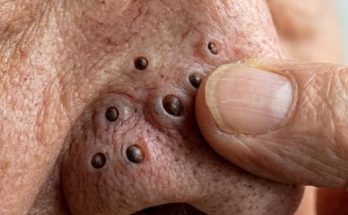
Face pimples are extremely common and can happen to people of all ages, especially during the teenage years. A pimple is a small inflamed spot that forms when pores in the skin become clogged with oil, dead skin cells, and sometimes bacteria. Because the face has many oil-producing glands, it is one of the most common places for pimples to appear.
One of the main reasons people get pimples on their face is excess oil production. The skin naturally produces oil, called sebum, to stay moisturized and protected. However, when the body produces too much oil, it can mix with dead skin cells and block pores. When a pore is clogged, bacteria can grow inside it, leading to redness, swelling, and sometimes pain—this is what we recognize as a pimple.
Hormonal changes also play a big role in facial pimples. During puberty, the body goes through many hormonal shifts that increase oil production. This is why acne is especially common among teenagers. Hormones can also cause breakouts during times of stress or even before important events, when the body reacts by producing more oil.
Another factor that can contribute to face pimples is poor skincare habits. Not washing the face regularly can allow dirt, sweat, and oil to build up on the skin. On the other hand, washing too often or using harsh products can irritate the skin and make pimples worse. Touching your face frequently or popping pimples can also spread bacteria and increase inflammation, leading to more breakouts or even scarring.
Diet and lifestyle may influence pimples as well. While food does not directly cause acne, some studies suggest that diets high in sugary or highly processed foods may worsen breakouts in some people. Lack of sleep, dehydration, and high stress levels can also affect skin health, making pimples more likely to appear.
Preventing face pimples starts with good skincare. Washing your face twice a day with a gentle cleanser can help keep pores clean without irritating the skin. Using non-comedogenic products—meaning they do not clog pores—is also important. Avoid squeezing or picking at pimples, as this can slow healing and cause marks on the skin.
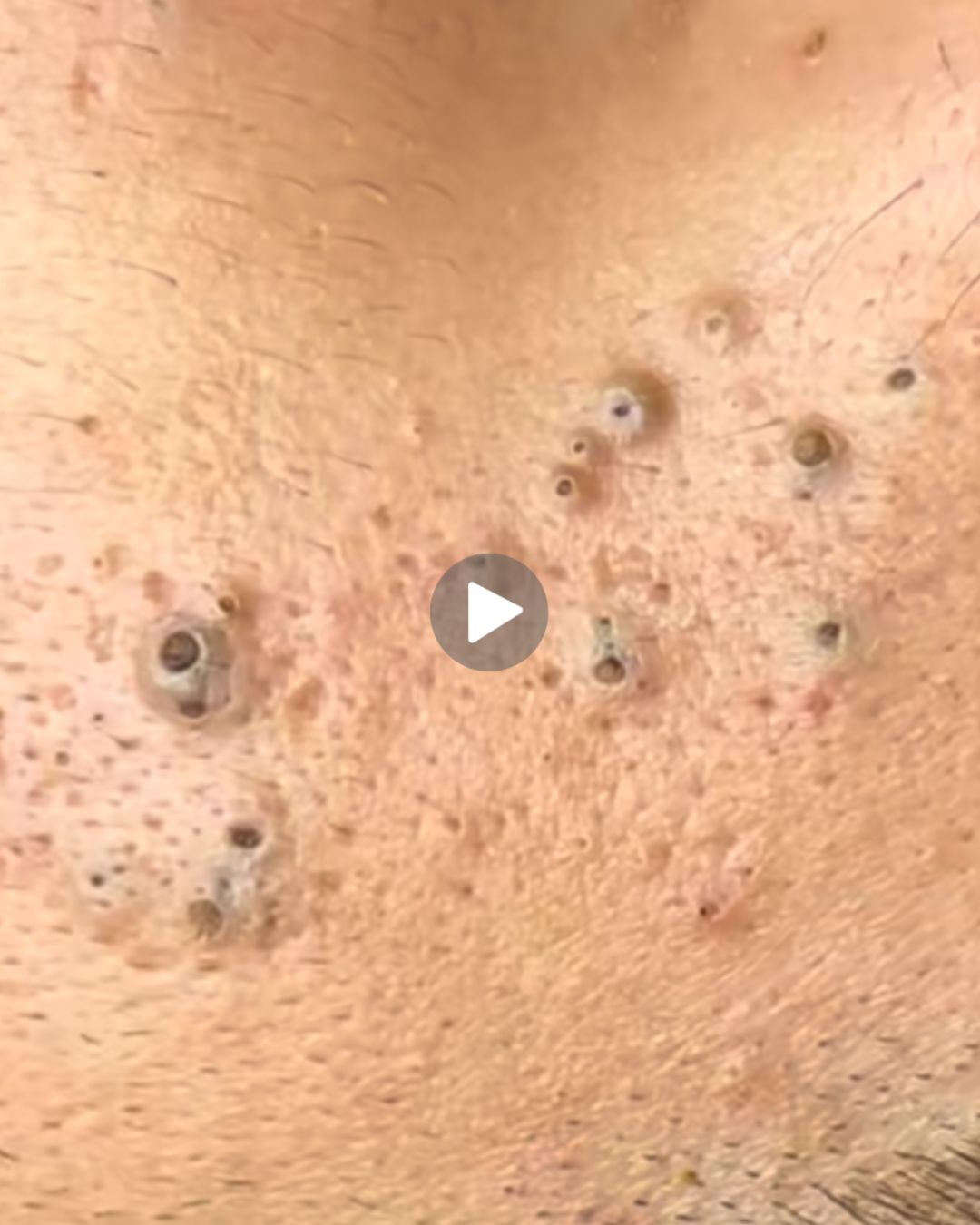
If pimples are frequent or severe, it may help to talk to a trusted adult or a healthcare professional. They can recommend safe treatments, such as mild topical creams or changes in skincare routines. Remember, having pimples is completely normal, and they do not define your appearance or worth.
In conclusion, yes, you can definitely get a pimple on your face, and it happens for many reasons. Understanding why pimples form can help you take better care of your skin and feel more confident as your body grows and changes.