Blackheads, often referred to as dark pore spots, are one of the most common skin concerns affecting people of all ages. Although they are a mild form of acne, blackheads can be persistent and frustrating, especially when they appear on visible areas such as the nose, forehead, and chin. Understanding their causes, effects, and effective treatment options is essential for maintaining clear and healthy skin.
Blackheads form when hair follicles become clogged with excess oil (sebum), dead skin cells, and impurities. Unlike whiteheads, blackheads remain open at the surface of the skin. When the trapped material is exposed to air, it oxidizes and turns dark, giving blackheads their characteristic black or brown appearance. Contrary to popular belief, blackheads are not caused by dirt, and aggressive scrubbing can actually worsen the condition by irritating the skin.
Several factors contribute to the development of blackheads. Hormonal changes during puberty, menstruation, or pregnancy can increase oil production, making pores more likely to clog. Genetics also play a role, as some people naturally produce more sebum than others. Poor skincare habits, such as infrequent cleansing or using heavy, pore-clogging cosmetics, can further increase the risk. Environmental factors like pollution and high humidity may also contribute by allowing debris to settle into open pores.
The effects of blackheads go beyond cosmetic concerns. If left untreated, blackheads can enlarge pores over time, making the skin appear uneven and rough. They can also progress into more inflamed forms of acne, such as pimples or cysts, if bacteria enter the clogged pore. Additionally, frequent squeezing or picking at blackheads can lead to skin irritation, redness, scarring, and post-inflammatory hyperpigmentation.
Fortunately, there are several effective ways to treat and prevent blackheads. A consistent skincare routine is the foundation of blackhead control. Gentle cleansing twice daily helps remove excess oil and impurities without stripping the skin. Exfoliation, especially with chemical exfoliants like salicylic acid or glycolic acid, is highly effective because it penetrates deep into the pores and dissolves the buildup that causes blackheads. However, exfoliation should be done in moderation to avoid over-irritation.
Topical treatments containing retinoids are another powerful solution. Retinoids promote cell turnover, prevent clogged pores, and improve overall skin texture. For those with sensitive skin, starting with a low concentration and gradually increasing use is recommended. Clay masks and charcoal masks can also help by absorbing excess oil and drawing impurities out of the pores.
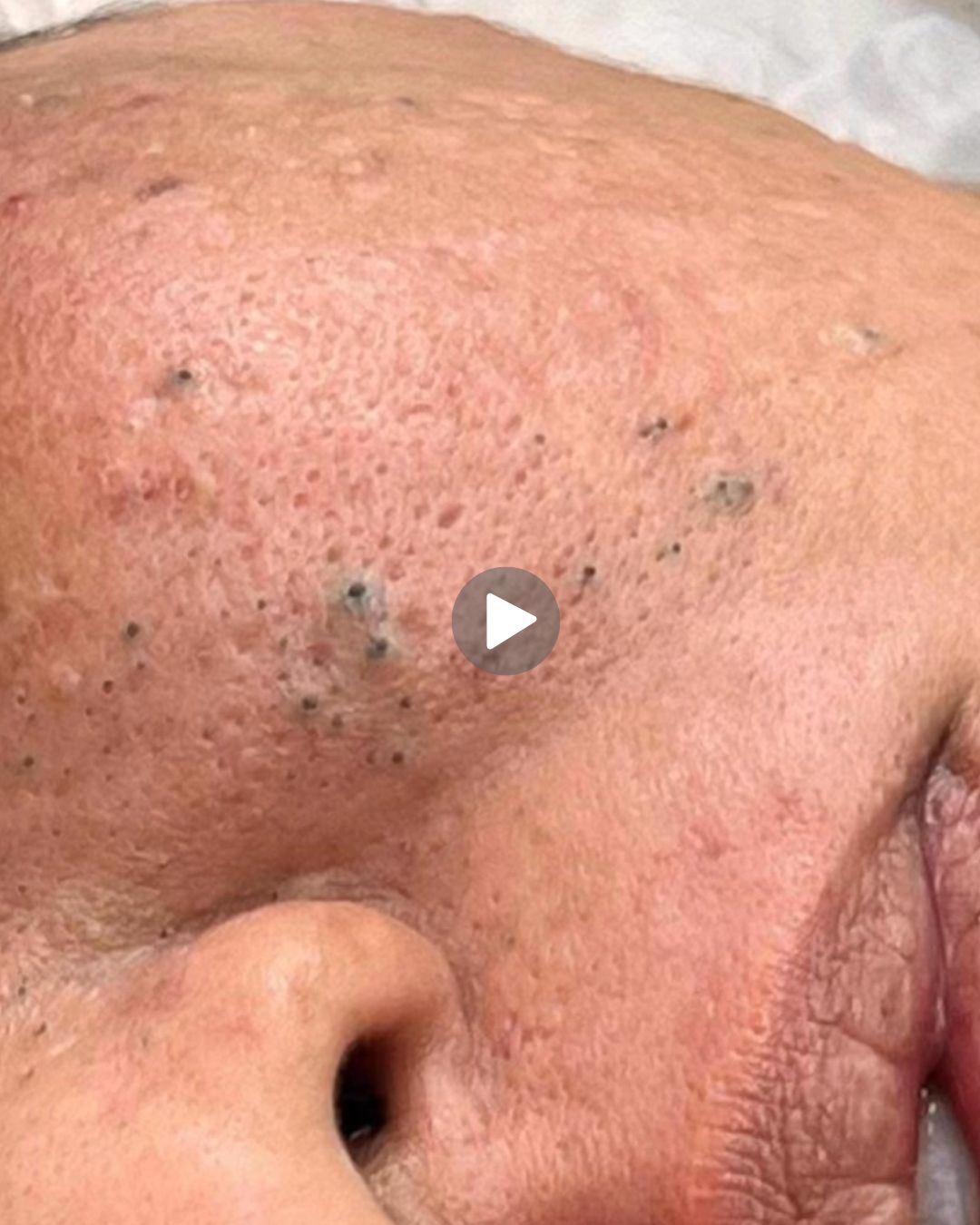
In more stubborn cases, professional treatments such as chemical peels, microdermabrasion, or manual extractions performed by a licensed dermatologist or aesthetician can provide noticeable improvement. Maintaining a balanced diet, managing stress, and staying hydrated also support skin health from within.
In conclusion, blackheads are a common but manageable skin concern. By understanding their causes and effects and adopting the right combination of skincare practices and treatments, it is possible to reduce their appearance and achieve clearer, smoother skin over time.