Many people notice that after enjoying a plate of spicy curry or extra-hot snacks, their skin seems to react—sometimes with redness, irritation, or even new pimples. This leads to a common question: does eating hot or spicy food actually cause breakouts? While spicy food does not directly create pimples in the way bacteria or clogged pores do, it can trigger certain reactions in the body that may contribute to acne flare-ups in some individuals.
Pimples form when hair follicles become clogged with oil (sebum), dead skin cells, and sometimes bacteria. Hormonal changes, excess oil production, inflammation, and poor skincare habits are among the main causes of acne. Spicy foods do not directly clog pores, but they can influence internal processes that affect the skin.
One key factor is inflammation. Spicy foods, especially those containing chili peppers, include a compound called capsaicin. Capsaicin stimulates nerve endings and increases blood circulation, which is why you may feel flushed or sweaty after eating spicy meals. This increased blood flow can make the skin appear red and warm. In people with sensitive or acne-prone skin, this temporary inflammation may worsen existing pimples or make them more noticeable.
Another possible connection is sweating. Spicy foods can raise body temperature, leading to perspiration. When sweat mixes with oil and bacteria on the skin, it can clog pores if the face is not cleaned properly afterward. This is particularly true if you touch your face frequently while eating or fail to wash away sweat and oil buildup.
Hormonal responses may also play a role. Some spicy or heavily seasoned foods are part of diets that are high in refined carbohydrates, salt, or unhealthy fats. Diets rich in processed foods can influence insulin levels, which in turn affect hormone activity. Elevated insulin levels can increase oil production in the skin, creating an environment where pimples are more likely to form. It may not be the spice itself, but the overall dietary pattern associated with certain spicy dishes.
For individuals with rosacea or highly sensitive skin, spicy food is a well-known trigger. It can cause facial flushing and irritation, which may resemble acne or worsen existing skin conditions. This reaction varies from person to person, meaning not everyone will experience breakouts after eating spicy meals.
It is also important to consider lifestyle factors. Spicy foods are often consumed at social gatherings, restaurants, or late-night meals. Lack of sleep, dehydration, and stress—all common in such situations—can also contribute to skin problems. Therefore, the timing and circumstances surrounding spicy food consumption might influence breakouts more than the spice itself.
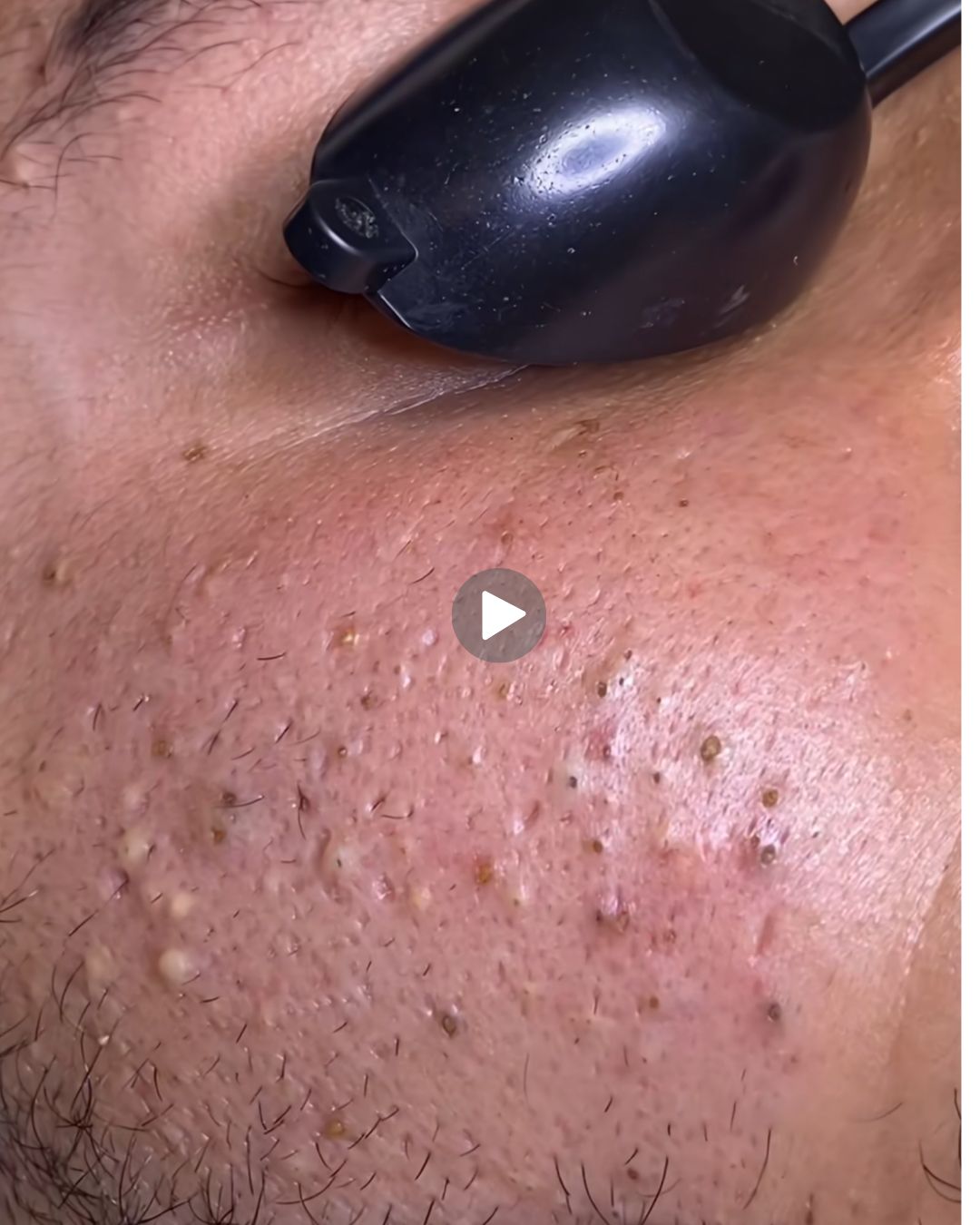
If you suspect that spicy food is affecting your skin, try observing patterns. Keep a simple food and skincare diary to track when pimples appear. Staying hydrated, washing your face gently after sweating, and maintaining a balanced diet can help minimize flare-ups.
In conclusion, spicy food does not directly cause pimples, but it can trigger inflammation, sweating, and hormonal responses that may worsen acne in some people. Paying attention to your body’s unique reactions and maintaining good skincare habits can help you enjoy your favorite flavors without sacrificing healthy, clear skin.