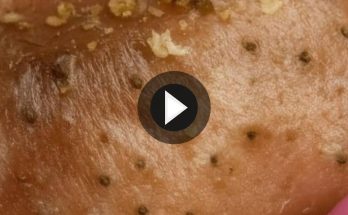
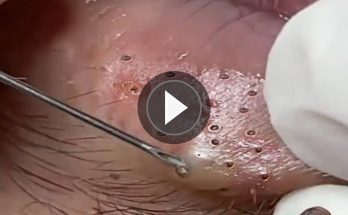
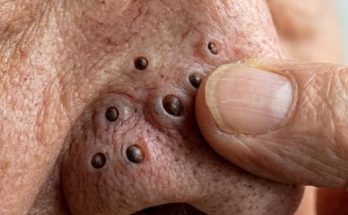
Hormonal acne is a persistent and often frustrating skin condition triggered by fluctuations in hormone levels. It commonly appears during puberty, menstruation, pregnancy, and menopause, but it can also affect adults dealing with stress or hormonal imbalances. Androgens, a group of hormones that includes testosterone, play a key role by stimulating the skin’s oil glands. When excess oil combines with dead skin cells and bacteria, pores become clogged, leading to breakouts.
This type of acne typically appears on the lower face, jawline, chin, and sometimes the neck and chest. Unlike occasional pimples, hormonal acne often presents as deep, painful cysts or nodules beneath the skin. These breakouts may feel tender and take longer to heal. Many people notice that flare-ups follow a predictable pattern, such as just before their menstrual cycle.
Treating hormonal acne requires a targeted approach. Over-the-counter products containing salicylic acid or benzoyl peroxide can help reduce mild breakouts by unclogging pores and killing bacteria. Retinoids are also effective for promoting skin cell turnover and preventing clogged pores. However, persistent or severe cases may require prescription treatments. Dermatologists often recommend hormonal therapies such as birth control pills or medications like spironolactone to regulate hormone levels and reduce oil production.
Lifestyle habits also play an important role in managing hormonal acne. Maintaining a balanced diet, reducing stress, getting adequate sleep, and following a consistent skincare routine can support clearer skin. Choosing non-comedogenic products and avoiding harsh scrubs helps prevent irritation.
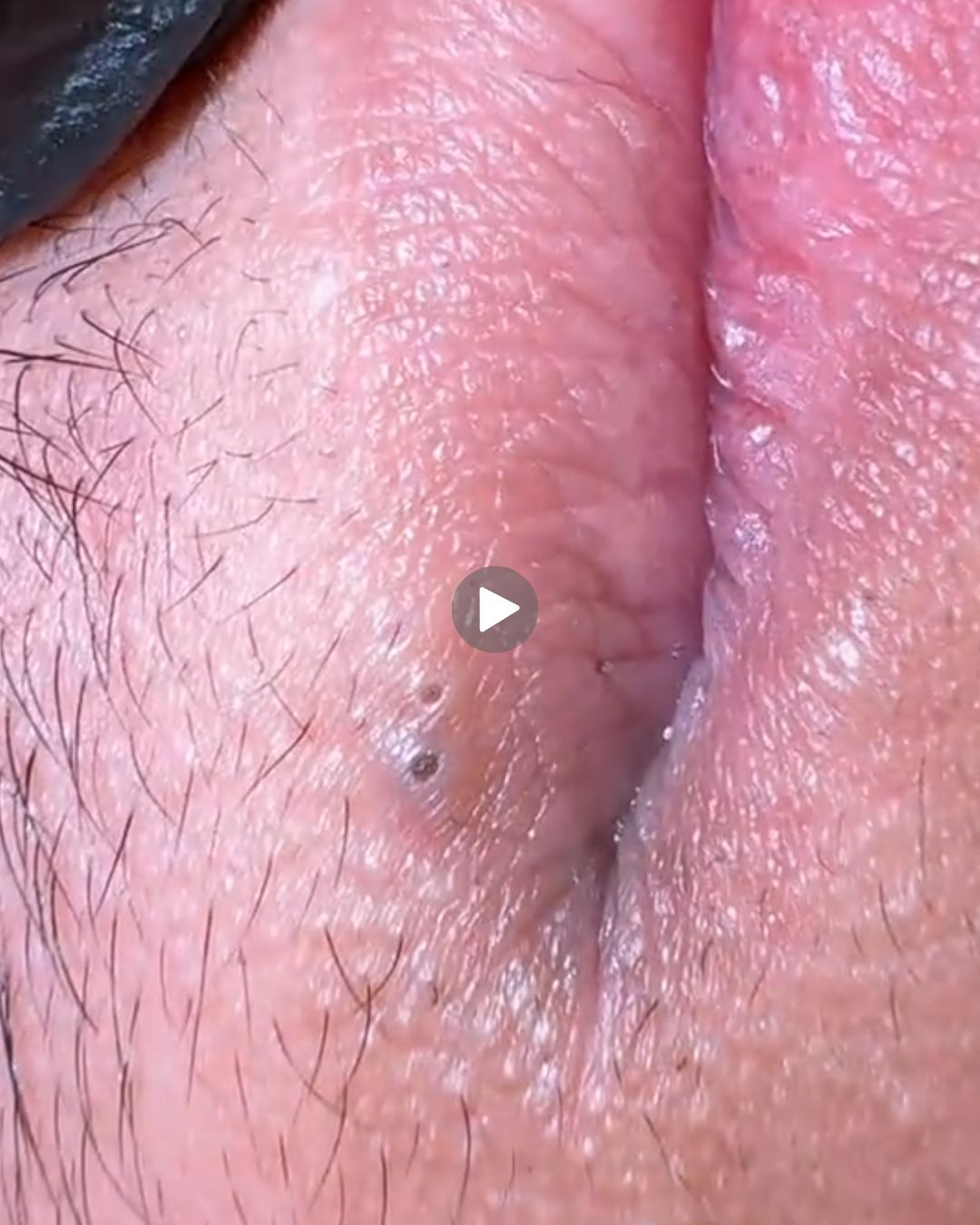
With the right combination of medical treatment and healthy habits, hormonal acne can be controlled. Patience and consistency are key to achieving long-term, clear, and healthy skin.