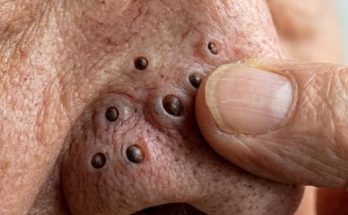
Skin bumps can appear unexpectedly and may cause discomfort or concern. They develop for many different reasons, ranging from clogged pores and allergic reactions to infections or underlying health conditions. Understanding why these bumps form is the first step toward treating them safely and effectively.
One of the most common causes of skin bumps is clogged hair follicles. When oil, dead skin cells, and bacteria build up inside pores, they can create pimples, whiteheads, or small inflamed spots. Heat, sweat, and friction from tight clothing may also contribute to irritation and breakouts. In other cases, skin bumps may result from allergic reactions to skincare products, detergents, or certain fabrics. These reactions often cause redness, itching, or swelling along with small raised areas on the skin.
Viral or bacterial infections can also lead to bumps. For example, folliculitis occurs when hair follicles become infected, forming tender, red pustules. Keratosis pilaris, another harmless but common condition, causes small rough bumps due to a buildup of keratin in the pores. Identifying the underlying cause helps determine the most appropriate treatment.
Safe treatment begins with gentle skincare. Clean the affected area with a mild cleanser and avoid harsh scrubbing, which can worsen irritation. Applying non-comedogenic moisturizers helps maintain the skin’s protective barrier. For acne-related bumps, products containing salicylic acid or benzoyl peroxide may reduce inflammation and unclog pores. If itching or allergic reactions are present, discontinuing new products and using soothing creams can provide relief.
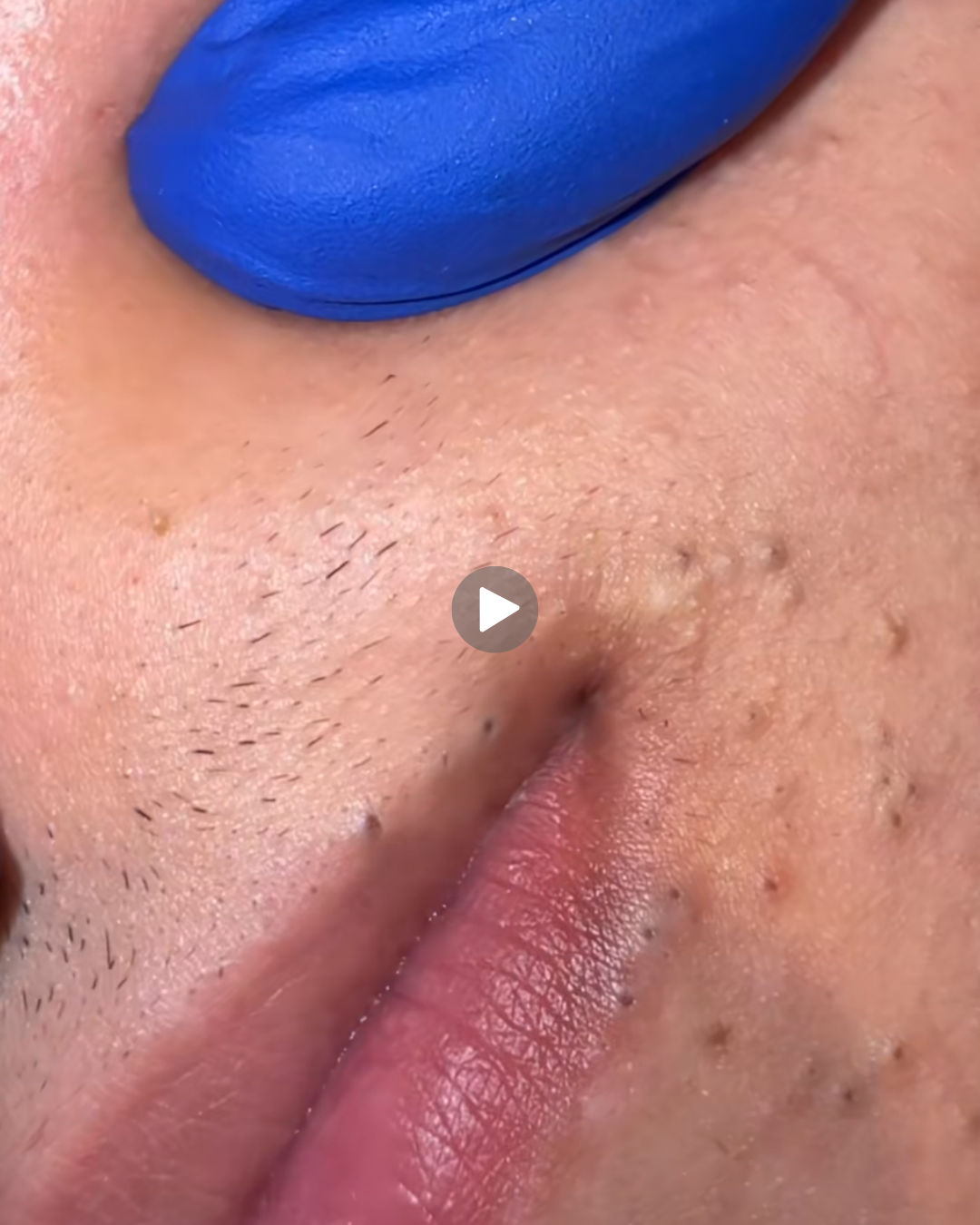
However, persistent, painful, or spreading bumps should be evaluated by a healthcare professional. Avoid squeezing or picking at bumps, as this can lead to infection or scarring.
By practicing proper skincare and addressing the root cause, most skin bumps can be managed safely, leading to healthier, clearer skin over time.