Chapter 1: The Clue Hidden in Plain Sight
Most people never pay much attention to the veins on the backs of their hands. They become more noticeable with age, exercise, or simply because of genetics. But in some cases, changes in your veins—especially when accompanied by swelling, skin discoloration, or persistent puffiness—may be a sign that your body is trying to tell you something important.
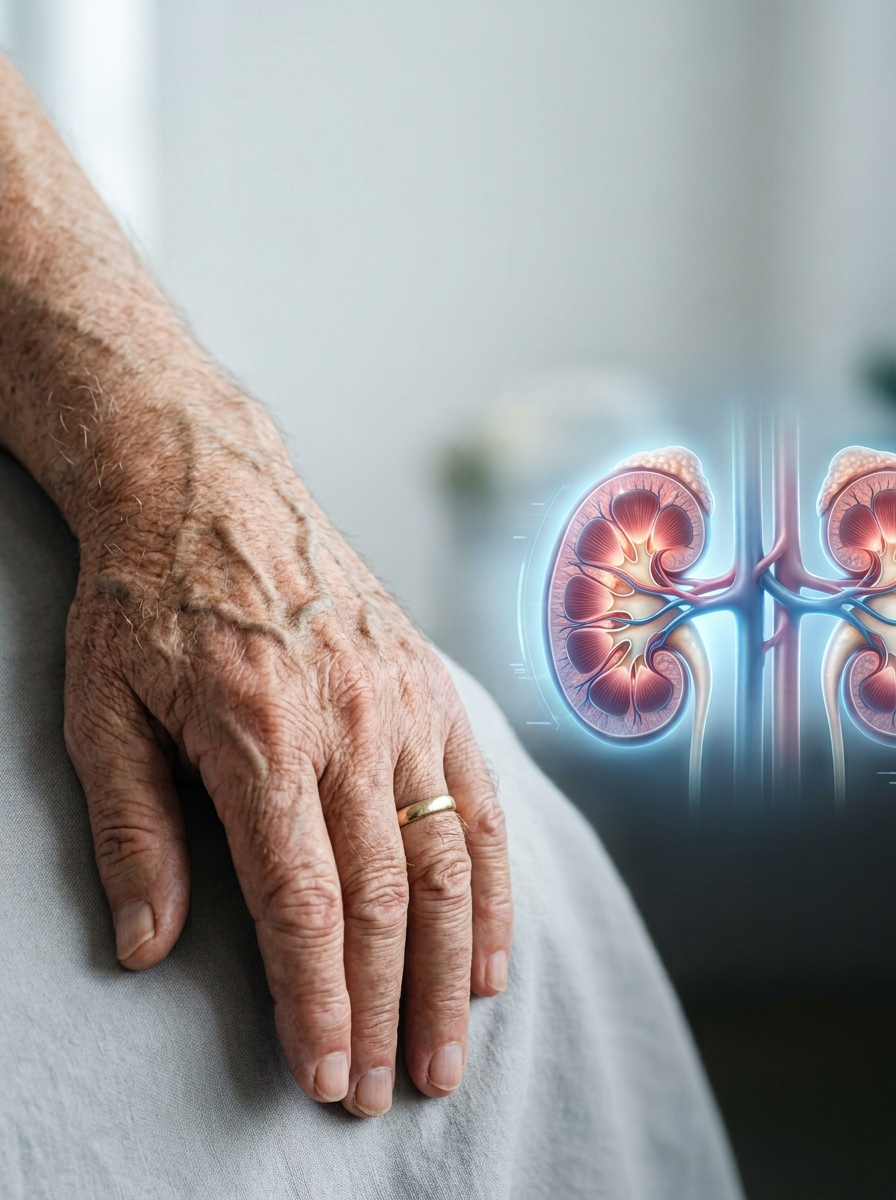
Your kidneys are responsible for filtering waste, balancing fluids, and regulating blood pressure. When they don’t function properly, excess fluid can build up in the body, sometimes causing swelling in the hands, fingers, and wrists. This swelling can make veins appear more prominent or change the way they look.
However, visible hand veins alone are not a reliable indicator of kidney disease. They are far more commonly related to factors such as low body fat, aging, warm temperatures, physical activity, or genetics. That’s why it’s important to look at the bigger picture.
If prominent veins are accompanied by symptoms such as swollen hands, persistent fatigue, foamy urine, blood in the urine, high blood pressure, or swelling in the feet and ankles, it may be worth discussing these symptoms with a healthcare provider.
Chapter 2: Other Warning Signs You Should Never Ignore
Kidney disease often develops gradually, and many people don’t notice symptoms until the condition has progressed. That’s why recognizing early warning signs is so important.
Some common symptoms include:
- Swelling in the hands, feet, ankles, or face
- Changes in urination, including frequency or color
- Foamy urine, which may indicate excess protein
- Persistent fatigue or weakness
- Difficulty concentrating
- High blood pressure that’s difficult to control
- Muscle cramps
- Loss of appetite or nausea
Several health conditions increase the risk of kidney disease, including diabetes, high blood pressure, obesity, smoking, and a family history of kidney problems.
If you notice several of these symptoms together—especially if you have known risk factors—don’t rely on changes in your hand veins as a diagnosis. A simple blood test and urine test can provide much more accurate information about kidney function.
Chapter 3: Protecting Your Kidneys Before Problems Begin
The good news is that many kidney problems can be prevented or slowed through healthy lifestyle choices.
To support kidney health:
- Stay well hydrated unless your doctor recommends otherwise.
- Keep your blood pressure within a healthy range.
- Manage diabetes carefully if you have it.
- Eat a balanced diet that’s lower in excess sodium and highly processed foods.
- Exercise regularly.
- Avoid smoking.
- Use pain medications responsibly, especially long-term NSAIDs, which can affect kidney function.
- Schedule regular health checkups if you’re at higher risk.
Remember, your hands may offer clues about your overall circulation or fluid balance, but they cannot diagnose kidney disease on their own. If you’re concerned about changes in your body, the safest approach is to seek medical evaluation rather than relying on visible signs alone.
Your body often gives subtle signals—but understanding them correctly can make all the difference.