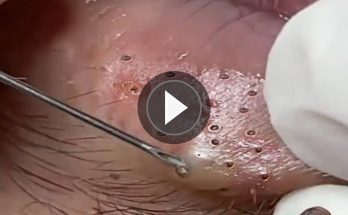
Ingrown hair on the face is a common and often uncomfortable skin concern, especially for people who shave, wax, or use hair-removal creams regularly. It occurs when a hair curls back or grows sideways into the skin instead of rising up from the follicle. This can lead to redness, bumps, itching, inflammation, and sometimes infection. Removing facial ingrown hair safely and effectively requires patience, proper technique, and consistent skincare habits to prevent further irritation.
The first and most important step in treating ingrown hair is gentle cleansing. Washing your face twice a day with a mild, non-comedogenic cleanser helps remove dirt, oil, and bacteria that can worsen inflammation. Warm water can help soften the skin and hair, making it easier for trapped hairs to surface naturally. Avoid harsh scrubs or strong soaps, as these can irritate sensitive facial skin and make the problem worse.
Exfoliation is one of the most effective ways to release ingrown hairs. By removing dead skin cells that block hair follicles, exfoliation allows trapped hairs to grow outward instead of curling under the skin. Chemical exfoliants containing salicylic acid, glycolic acid, or lactic acid are especially suitable for the face, as they work gently without excessive friction. Exfoliating two to three times per week is usually enough to see improvement while minimizing irritation.
When an ingrown hair is visible and close to the surface, safe removal is possible with proper care. Start by cleansing the area and applying a warm compress for several minutes to soften the skin. Use sterilized tweezers or a fine needle to gently lift the hair out—never dig into the skin or force the hair out, as this can cause scarring or infection. If the hair is deeply embedded or painful, it is best to leave it alone and allow it to heal naturally.
Applying soothing treatments after removal helps calm the skin and reduce redness. Products containing aloe vera, chamomile, tea tree oil (diluted), or witch hazel can help relieve inflammation and prevent infection. For recurring ingrown hairs, creams with retinoids or mild topical exfoliants can help keep pores clear and promote healthy hair growth.
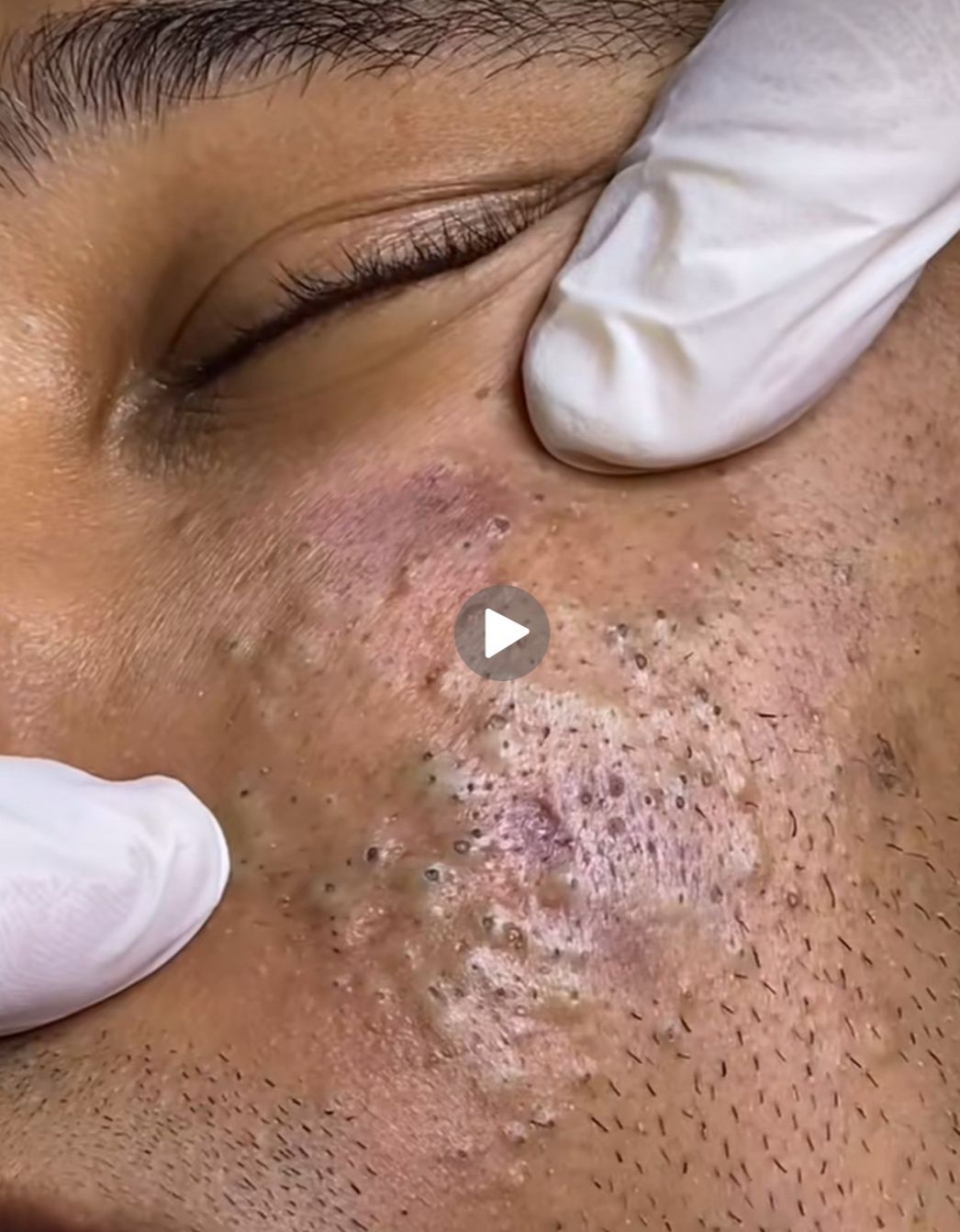
Prevention is just as important as treatment. Always shave with a clean, sharp razor and shave in the direction of hair growth. Using a shaving gel or cream reduces friction and irritation. If waxing or threading causes frequent ingrown hairs, consider switching to gentler methods or spacing treatments further apart. Moisturizing daily keeps the skin soft and less likely to trap hairs.
If ingrown hairs are persistent, painful, or leave dark marks, consulting a dermatologist is recommended. Professional treatments such as chemical peels, prescription creams, or laser hair removal can significantly reduce ingrown hairs and improve overall skin texture.
By following these safe and effective steps, you can treat facial ingrown hair without damaging your skin, leading to smoother, healthier, and more confident-looking skin over time.